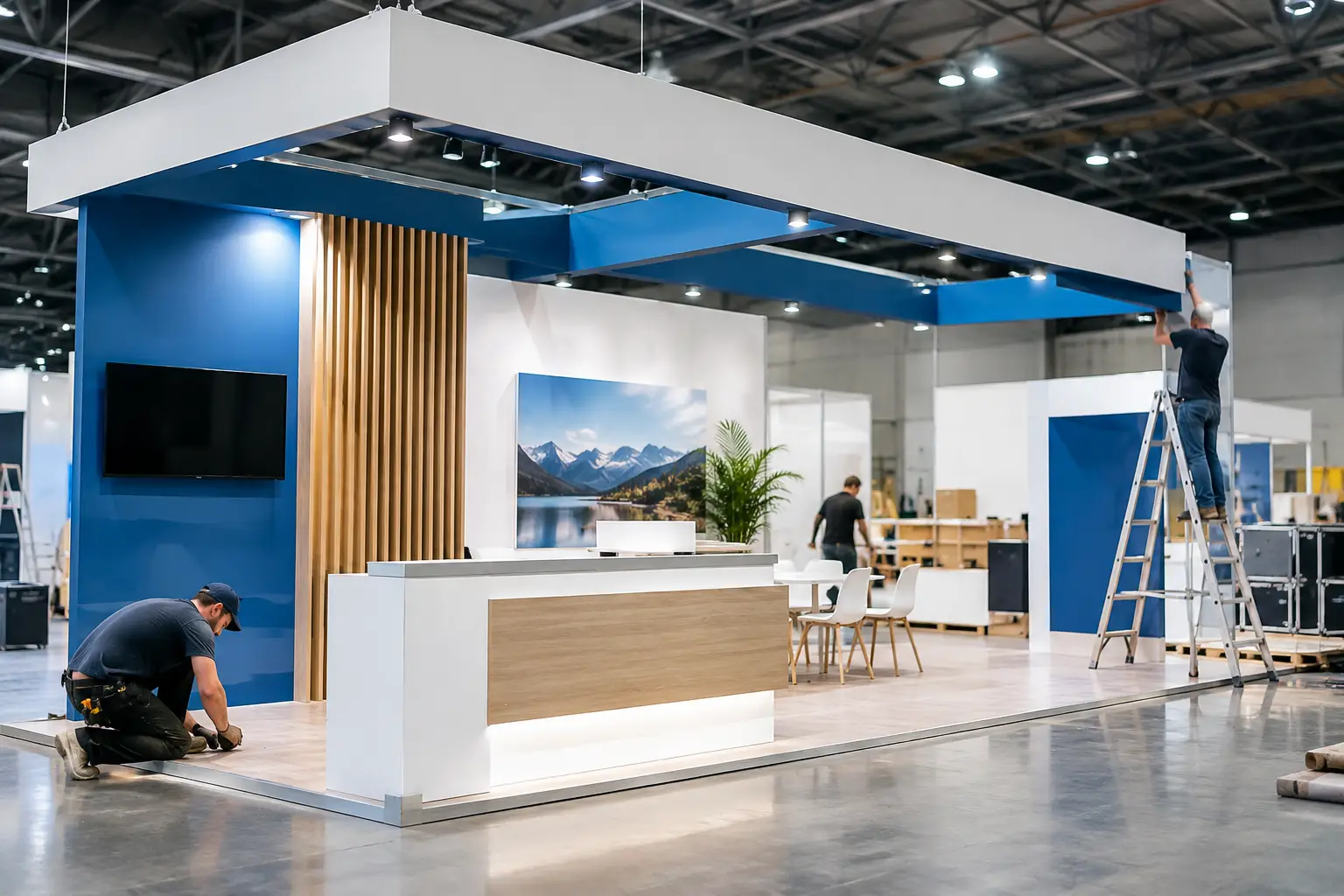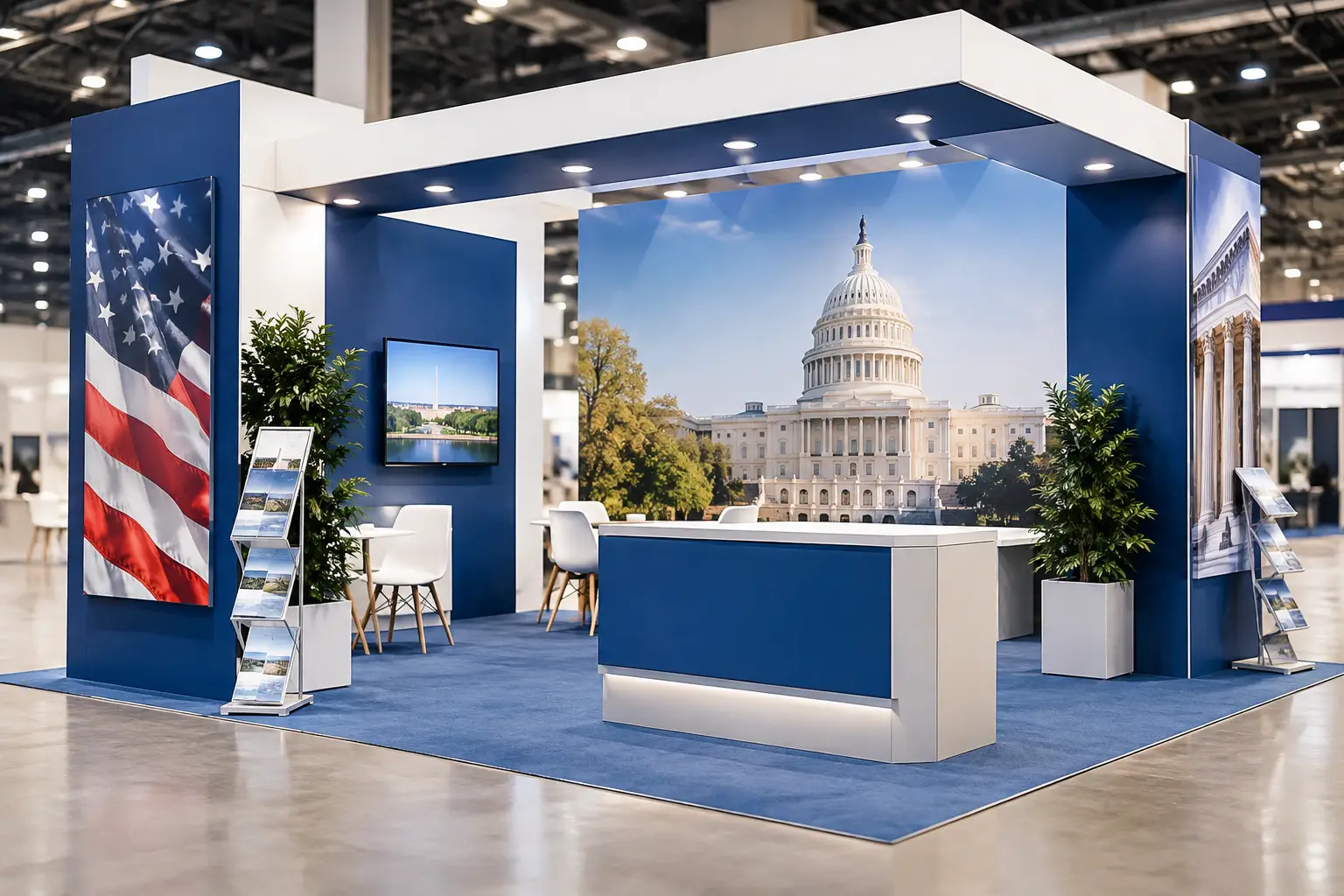

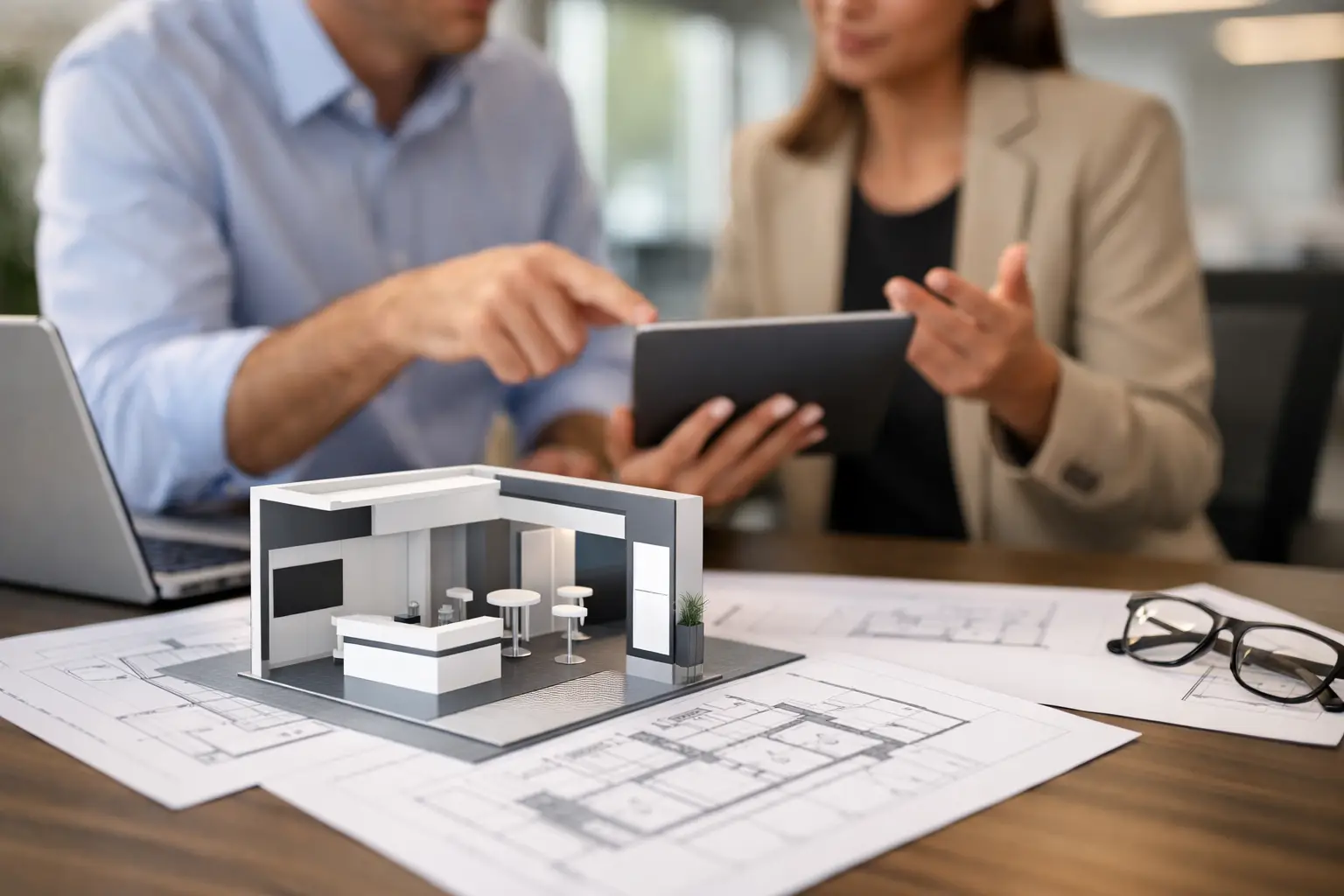

The date you approve your booth design can determine whether your exhibition presence feels premium and controlled or rushed and compromised. So, when should exhibitors confirm booth design? For most custom stands, the practical answer is 8 to 12 weeks before the show opens. Larger structures, double-decker stands, country pavilions, and projects involving cross-border logistics need more time – often 12 to 20 weeks.
That timeline is not simply about giving a stand builder room to work. It protects your creative choices, your budget, venue compliance, production quality, and ability to make last-minute marketing decisions without putting the entire project under pressure.
When Should Exhibitors Confirm Booth Design? Start With the Stand Type
A small modular booth with straightforward graphics can sometimes be confirmed four to six weeks before an event. That does not mean it should be. Short lead times limit materials, lighting options, custom features, and the ability to revise the layout after reviewing the first 3D concept.
For a custom-built booth between 30 and 100 square meters, aim to lock the approved design 8 to 12 weeks ahead. This gives your exhibition partner time to finalize technical drawings, source materials, fabricate components, test LED walls or interactive elements, coordinate venue requirements, and schedule installation crews.
For stands above 100 square meters, double-decker structures, or country pavilions, confirm the core design as early as possible – ideally four to five months before the exhibition. These projects have more stakeholders, more engineering considerations, and more dependencies. A delayed sign-off can affect everything from municipal approvals to freight bookings and specialist labor availability.
The right answer also depends on where the show is held. Major venues in Dubai, Riyadh, Las Vegas, Chicago, Mumbai, and Germany operate on strict technical submission schedules. Missing a deadline may mean rush fees, restricted access, or having to redesign an element that could have been approved earlier.
Why Early Design Approval Creates Better Exhibition Results
The strongest exhibition stands are not built by adding more features at the last minute. They are built when the brand story, visitor journey, operational requirements, and construction details have time to work together.
An early approval gives your team the space to ask useful questions. Where will sales conversations happen? Does the stand need a private meeting room? How will product demonstrations draw a crowd without blocking circulation? Is the LED content visible from the main aisle? Can the hospitality area support the expected visitor volume?
These decisions influence the design from the beginning. If they are raised after fabrication has started, changes become more expensive and more limited. A revised wall position may affect electrical routing. An added meeting room may reduce product display space. A larger screen may require structural reinforcement.
Early confirmation also improves cost control. When design, fabrication, and logistics are planned properly, the project team can select the most suitable materials, reserve production capacity, and avoid expedited freight or overnight labor. The goal is not simply to finish on time. It is to achieve a polished result without paying for preventable urgency.
A Practical Approval Timeline for Custom Booths
For most exhibitors, the design process should begin well before the final approval date. A dependable timeline works backward from the show opening date.
16 to 20 Weeks Before the Show: Define the Brief
This is the right time to appoint your exhibition partner, share the floor plan, clarify objectives, and establish a realistic budget. Your brief should cover more than square footage and brand colors. Include products to be displayed, meeting needs, storage requirements, technology requirements, staffing expectations, and any sustainability goals.
If you are exhibiting internationally, this stage should also address logistics, local regulations, and whether the stand will be reused or adapted for future shows. A concept that looks impressive but cannot travel efficiently may not be the best commercial choice.
12 to 16 Weeks Before the Show: Approve the Concept Direction
At this stage, review the 3D concept carefully. The concept should show what visitors will see from key approach angles, how your brand is represented at height, where your team will work, and how the space supports lead generation.
This is the best point to make substantial changes. You can still alter the layout, add a feature wall, reposition a reception desk, or rethink a product zone without disrupting production. Confirm the overall creative direction, estimated budget, and major build specifications before moving ahead.
8 to 12 Weeks Before the Show: Confirm the Final Booth Design
For a standard custom exhibition stand, this is the target window for final approval. By now, the design should include finalized dimensions, graphics locations, materials, lighting, furniture, AV requirements, and technical details.
Once the design is confirmed, fabrication can proceed with confidence. Your project team can lock production slots, submit required forms, arrange logistics, and prepare installation schedules. For marketing managers, this is also the point to finalize screen content, printed collateral, product samples, uniforms, and staff briefing plans.
4 to 8 Weeks Before the Show: Manage Details, Not Redesigns
The final weeks should be used for controlled refinements: confirming artwork files, checking product dimensions, approving video content, and coordinating on-site contacts. A late graphic update is usually manageable. A late decision to add a second floor, extend the booth footprint, or introduce a large suspended structure is not.
Treat this period as quality assurance. Ask for a final production review, confirm delivery and installation dates, and ensure all stakeholders know who can approve changes on site.
What Happens If You Confirm Too Late?
Late confirmation does not automatically mean a poor booth. An experienced, in-house design and build team can often respond quickly. But the trade-offs become real.
You may have fewer choices in finishes, furniture, and AV equipment. Production may need to prioritize speed over detailed workshop testing. Logistics options can become more expensive, particularly for international exhibitions. Some venue services may be available only at late-order rates, and preferred installation slots may already be assigned.
The most damaging consequence is often strategic rather than operational. Under time pressure, teams approve a booth because it is available, not because it is the best expression of the brand. That can lead to a generic layout, weak product visibility, insufficient meeting capacity, or a visitor experience that does not match the importance of the event.
How to Avoid Delays Inside Your Own Team
Booth approval is often delayed by internal alignment, not by design. Marketing may want visual impact, sales may need more meeting space, procurement may need budget certainty, and leadership may want to review every detail. All are valid concerns, but they need a clear decision process.
Assign one project owner with the authority to collect feedback and keep decisions moving. Establish a fixed review schedule rather than sending designs through open-ended email chains. Agree early on what is non-negotiable: brand visibility, product demonstration space, meeting rooms, sustainability, or a defined cost ceiling.
It also helps to separate strategic feedback from preference-based feedback. Comments such as “the reception needs better sightlines” or “we need enclosed discussions for distributors” improve the project. Repeated changes to colors, furniture styles, or minor decorative details can consume time without improving exhibition performance.
Choose a Partner That Can Protect the Schedule
Design approval matters most when your exhibition partner has the operational capability to act on it. A beautiful 3D design is only the beginning. The team must be able to translate it into accurate production drawings, build it to specification, manage logistics, install it safely, and resolve site issues quickly.
For complex projects, working with a partner that manages design, fabrication, and installation in-house creates greater accountability. It reduces handoffs between agencies, fabricators, freight teams, and site contractors. At LemonTree Exhibitions, this integrated approach helps clients maintain quality and visibility from the first concept through dismantling, especially for time-sensitive international events.
The Best Time Is Before the Deadline Feels Urgent
If your show is a priority for revenue, partnerships, product launches, or market visibility, do not use the organizer’s final submission date as your design deadline. Confirm the booth design early enough to preserve choice, craftsmanship, and control.
A well-timed approval gives your brand more than a stand that arrives on schedule. It gives your team a space built to start better conversations, present products with confidence, and make every square foot work harder on the show floor.