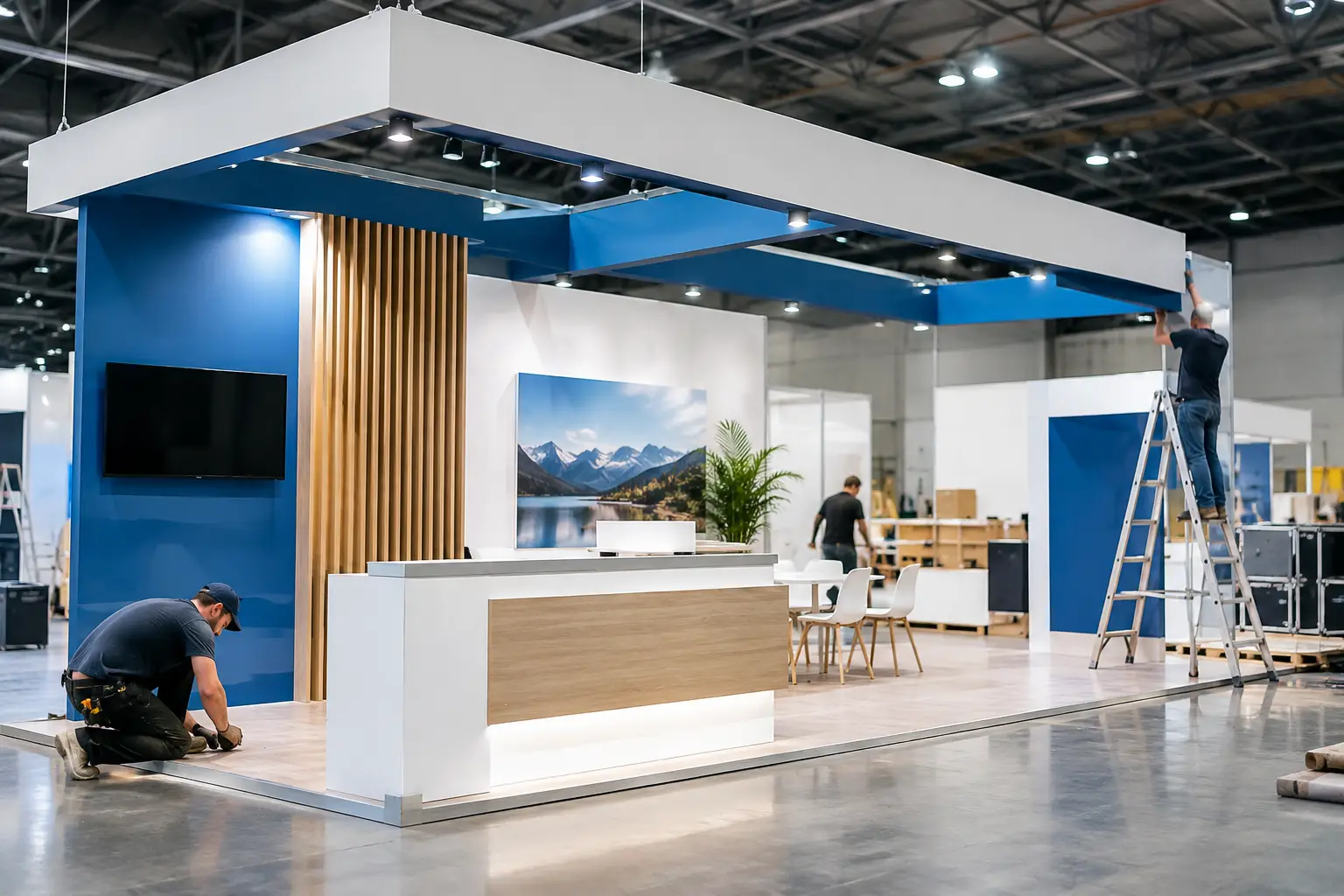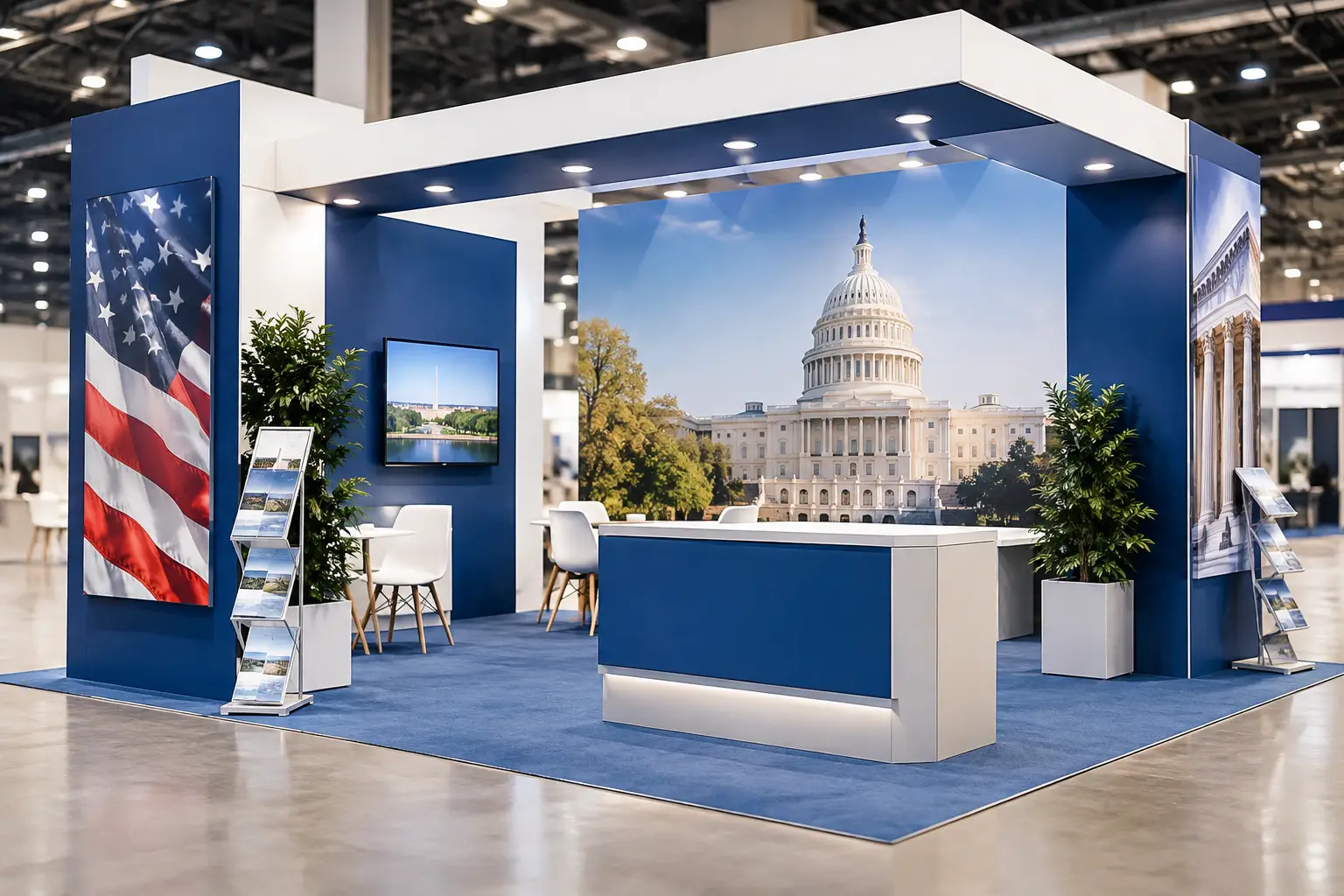



GITEX is not a show where a good-looking booth alone carries the day. Buyers, investors, media, partners, and competitors move quickly, and your team may have only seconds to establish why a conversation is worth having. Knowing how to prepare for GITEX exhibition means planning the full visitor experience – from the first sightline across the hall to the follow-up email sent after the event.
For marketing leaders and exhibitors, the objective is not simply attendance. It is to create a controlled, credible brand environment that supports clear business outcomes: qualified leads, product demonstrations, market visibility, partner meetings, or investor interest. The strongest GITEX programs begin well before stand construction starts.
Start With Commercial Goals, Not Stand Size
Before briefing a stand designer or confirming floor space, define what success looks like. A startup launching a platform may prioritize demos and investor meetings. An enterprise technology provider may need private discussion areas for senior buyers, product zones for multiple solutions, and a hospitality area for existing clients. These needs produce very different stand layouts, staffing plans, and budgets.
Set a primary goal and two or three measurable supporting goals. For example, your team may target a defined number of qualified leads, meetings with named accounts, product demonstrations per day, or media conversations. Assign an owner to each outcome. A lead target without a qualification process is just a footfall number, and a meeting target without pre-event outreach is difficult to recover on the show floor.
This step also keeps internal stakeholders aligned. Sales may want meeting rooms, product teams may need reliable demo infrastructure, and brand teams may want an immersive visual statement. All are valid, but the stand must prioritize the activities that create the greatest commercial return.
How to Prepare for GITEX Exhibition With a Clear Timeline
The earlier you make critical decisions, the more control you retain over design, production, and cost. Major exhibition calendars fill quickly, while approvals, venue regulations, technical orders, and international freight can introduce constraints that are expensive to solve late.
Ideally, begin strategic planning four to six months ahead. Confirm your objectives, target audience, footprint, budget range, and internal decision-makers. This is the right time to appoint an exhibition partner, develop the first 3D concept, and identify key operational requirements such as meeting rooms, LED walls, hanging signs, internet connections, power load, storage, and product display needs.
At roughly three months out, finalize design direction, graphics, technology requirements, staffing structure, and core messaging. Start booking meetings with prospects and partners. Two months before the event, lock down the operational details: product shipping, travel schedules, demo devices, insurance documentation, lead-capture tools, staff uniforms, and promotional collateral.
The final weeks should be reserved for rehearsals and quality checks, not major changes. Confirm who will approve the completed stand on site, who holds access to digital files and accounts, and how technical issues will be escalated. A disciplined timeline protects the creative work from last-minute compromises.
Design a Stand Around Visitor Behavior
At GITEX, visitors are surrounded by screens, claims, noise, and dense product messaging. Your stand needs a clear visual hierarchy. A visitor should understand who you are, what you offer, and where to engage without needing to decode a wall of text.
Begin with the exterior. Strong branding at height, a focused color palette, and an open entrance can increase recognition from the aisle. Then plan the interior as a sequence: attract attention, introduce the offer, demonstrate value, capture details, and create space for deeper conversation. This is more effective than treating every square foot as a display surface.
A product-led company may benefit from a central demo counter supported by a large LED video wall. A complex B2B solution may need a reception point, several demo stations, semi-private discussion tables, and a closed meeting room. If you are displaying physical technology or hardware, build in secure storage, practical cable management, and enough circulation space for groups to gather without blocking the entrance.
There is a trade-off between visual drama and usability. A double-decker stand can create significant presence and add meeting capacity, but it requires the right footprint, budget, approvals, and visitor flow. A smaller custom-built stand can still feel premium when its structure, lighting, graphics, and product experience are tightly coordinated.
Build a Budget That Includes the Full Experience
A common planning mistake is to treat the stand build as the entire exhibition budget. The physical structure is central, but it is one part of a larger program. Account for design and fabrication, venue services, electricity, internet, rigging where applicable, AV equipment, furniture, staffing, freight, installation, travel, hospitality, promotional materials, and post-show follow-up.
Reserve a contingency allowance. It may cover urgent replacement graphics, additional power needs, device repairs, changes to travel plans, or unexpected venue requirements. The exact amount depends on your scale and complexity, but a contingency is far less costly than an unplanned scramble during move-in.
Value should be assessed through the quality of execution as well as the upfront quotation. A design that cannot be fabricated reliably, an LED installation without technical support, or logistics managed through too many parties can create avoidable risk. An in-house design, fabrication, and project management model gives exhibitors clearer accountability across the project.
Make Your Message Easy to Repeat
Every person on your team should be able to explain the company in a concise, consistent way. Develop a short opening statement, a version tailored to each main audience, and a set of proof points that make your claim believable. These may include measurable outcomes, client examples, certifications, market reach, or a product feature that is genuinely differentiated.
Avoid trying to explain every service or capability at the stand. Visitors do not need the full presentation before they choose to engage. They need enough relevance to start a useful conversation.
Prepare three practical content layers: a high-impact visual message for passersby, a short demonstration or conversation for interested visitors, and a more detailed presentation for qualified prospects. This structure helps staff move naturally from attention to action without overwhelming people.
Train the Team to Qualify, Not Just Welcome
A busy booth with poor conversations can produce a disappointing pipeline. Your staff should understand the target visitor profile, key qualifying questions, product demonstrations, and the next step for each lead category.
Reception staff can welcome and direct traffic, but experienced sales or product specialists should be available when technical or commercial questions arise. Brief everyone on the daily meeting schedule, escalation points, dress expectations, break coverage, and how to respond when the stand is busy.
Use a lead-capture process that records more than a name and email address. At minimum, capture the visitor’s role, company, business need, level of buying intent, product interest, and agreed next action. Notes taken at the stand are far more useful than trying to reconstruct conversations after several long show days.
Before opening day, run a realistic rehearsal. Test the demo environment, scan a lead, play all video content, check presentation screens from the aisle, and walk through your visitor journey. Small operational issues are easier to correct before the hall opens.
Treat Logistics and Compliance as Brand Protection
Behind every polished stand is careful operational planning. Confirm venue deadlines, technical regulations, health and safety requirements, contractor documentation, delivery windows, and access procedures early. If you are bringing products, devices, or specialized equipment from abroad, allow sufficient time for shipping and customs processes.
Keep critical items in a separate hand-carry kit where possible: adapters, backup cables, branded clothing, printed meeting schedules, key product samples, login credentials, and basic stationery. For technology exhibitors, redundancy matters. Have backup demo devices, offline material, spare chargers, and a clear response plan if connectivity is interrupted.
A dependable exhibition partner should manage installation with a detailed site plan, coordinate technical teams, and complete quality checks before handover. LemonTree Exhibitions supports this end-to-end approach through in-house design, fabrication, logistics coordination, installation, and dismantling – helping clients focus their energy on the event rather than the build process.
Begin Follow-Up Before the Show Opens
The quality of post-show follow-up is decided on the floor. Agree in advance on lead categories, response times, ownership, and the first message each contact will receive. Hot opportunities may require a same-day response or a meeting before the event ends. Warm leads should receive a relevant, personalized follow-up while the conversation is still fresh.
Do not send every contact the same generic brochure. Refer to the product, challenge, or use case discussed. If a visitor asked for a technical specification, pricing conversation, site visit, or product trial, make that request the center of the next interaction.
After the event, review performance against your original objectives. Compare lead quality, meetings held, demonstration activity, audience response, and total investment. Capture feedback from staff while details are fresh, including what visitors asked most often and where the stand layout or messaging created friction.
The best GITEX preparation creates confidence on the show floor because every detail has a purpose. When your design, team, technology, logistics, and follow-up plan work as one, the exhibition becomes a focused business opportunity rather than a costly week of activity.