
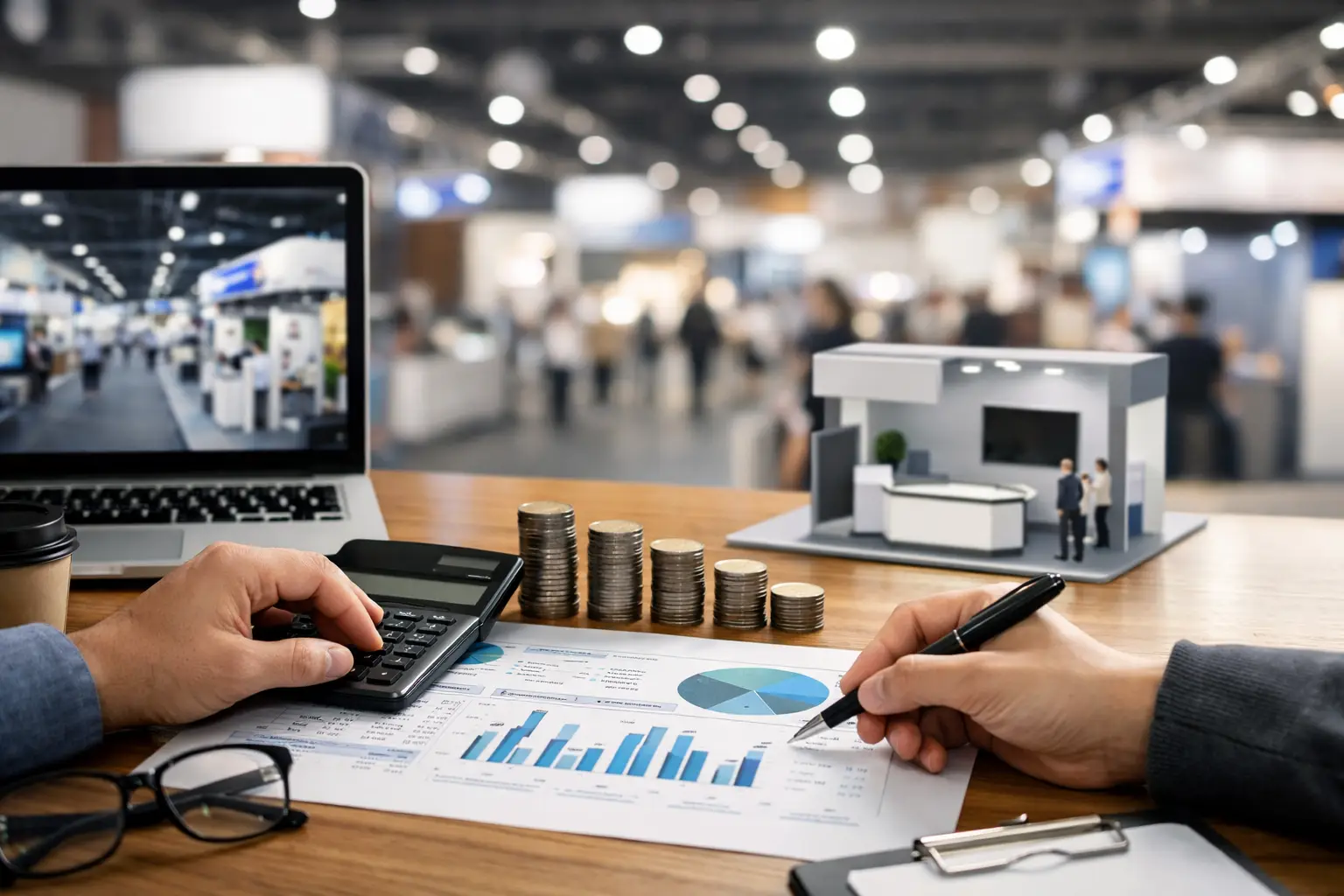

A trade show budget usually looks fine on a spreadsheet – right up until freight rates change, a venue adds rigging charges, or a last-minute graphic revision turns into a rush production fee. That is why knowing how to plan trade show budget properly is not just a finance exercise. It is a performance decision that affects booth impact, lead quality, and the overall return you bring back from the show.
For marketing teams, procurement leads, and business owners, the real challenge is not simply reducing cost. It is allocating spend in the places that actually move results. A smaller, well-planned budget can outperform a larger one if the priorities are right. A premium build can also be the right call, but only when the objectives justify it.
Start with outcomes, not line items
The strongest trade show budgets begin with one question: what does success need to look like? If your goal is lead generation, your spending should favor visibility, visitor flow, product display, staffing, and follow-up tools. If the event is about brand authority, product launches, distributor meetings, or government representation, the budget mix shifts.
This is where many teams go wrong. They begin with stand size or a rough number based on last year, then try to make the strategy fit. A better approach is to define the event objective first, then build the budget around it. A 30 sqm space with the right layout, lighting, and messaging can outperform a much larger stand that lacks focus.
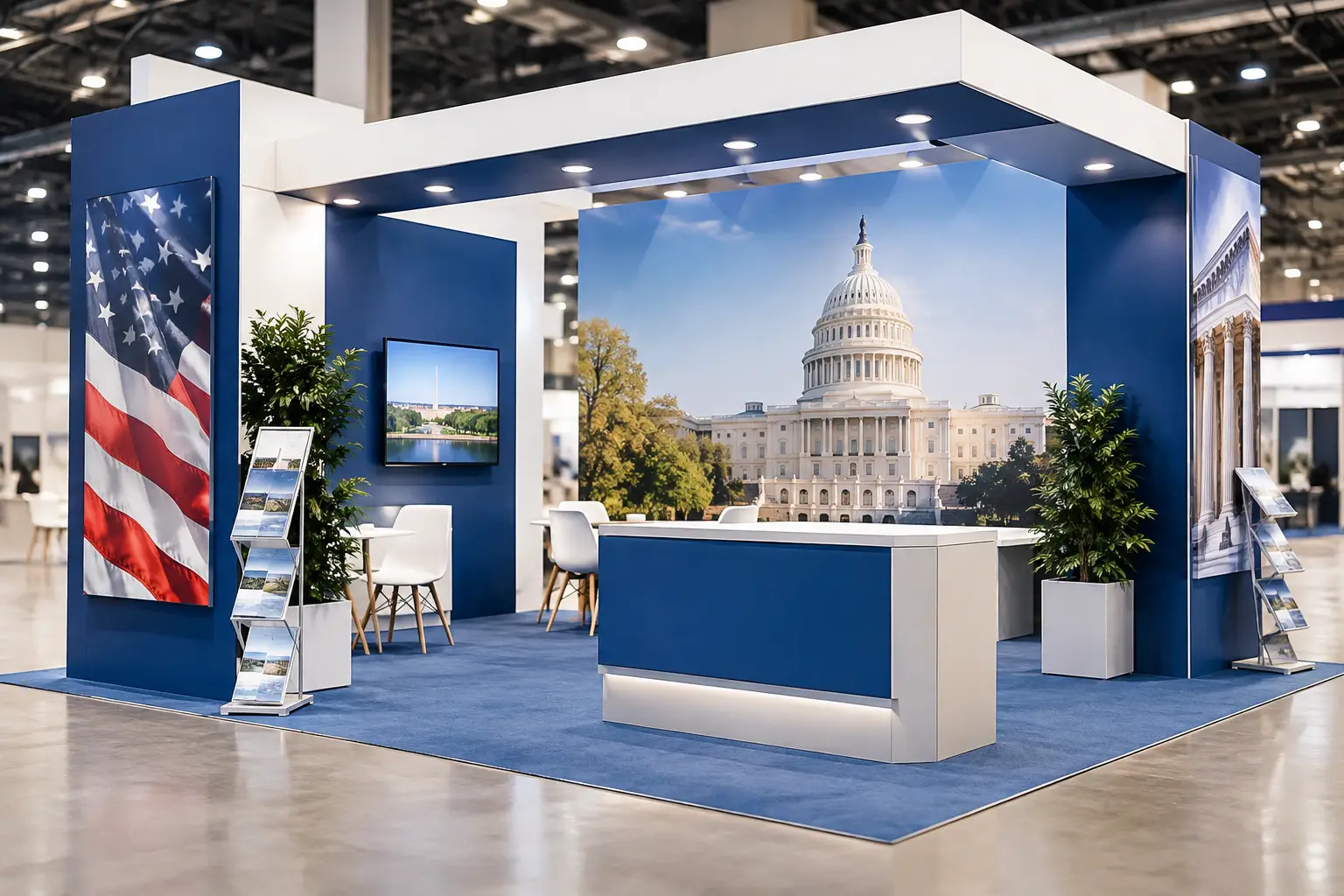
Your budget should also reflect the commercial value of the event. A high-stakes show like GITEX, ADIPEC, Big 5, or a major US exhibition may justify higher investment because the audience quality, media visibility, and sales opportunities are stronger. Not every event deserves the same spend, even if the footprint is similar.
How to plan trade show budget by category
Once the objective is clear, break the budget into practical cost blocks. This is where control starts.
Space cost comes first
The booth space fee is usually the foundation, but it is only one part of the exhibition spend. Corner locations, island spaces, higher foot traffic zones, and premium halls can raise the cost quickly. If location matters for visibility in your sector, paying more can be justified. If your audience is pre-booked through appointments, a less expensive position may still perform well.
Booth design and build shape the experience
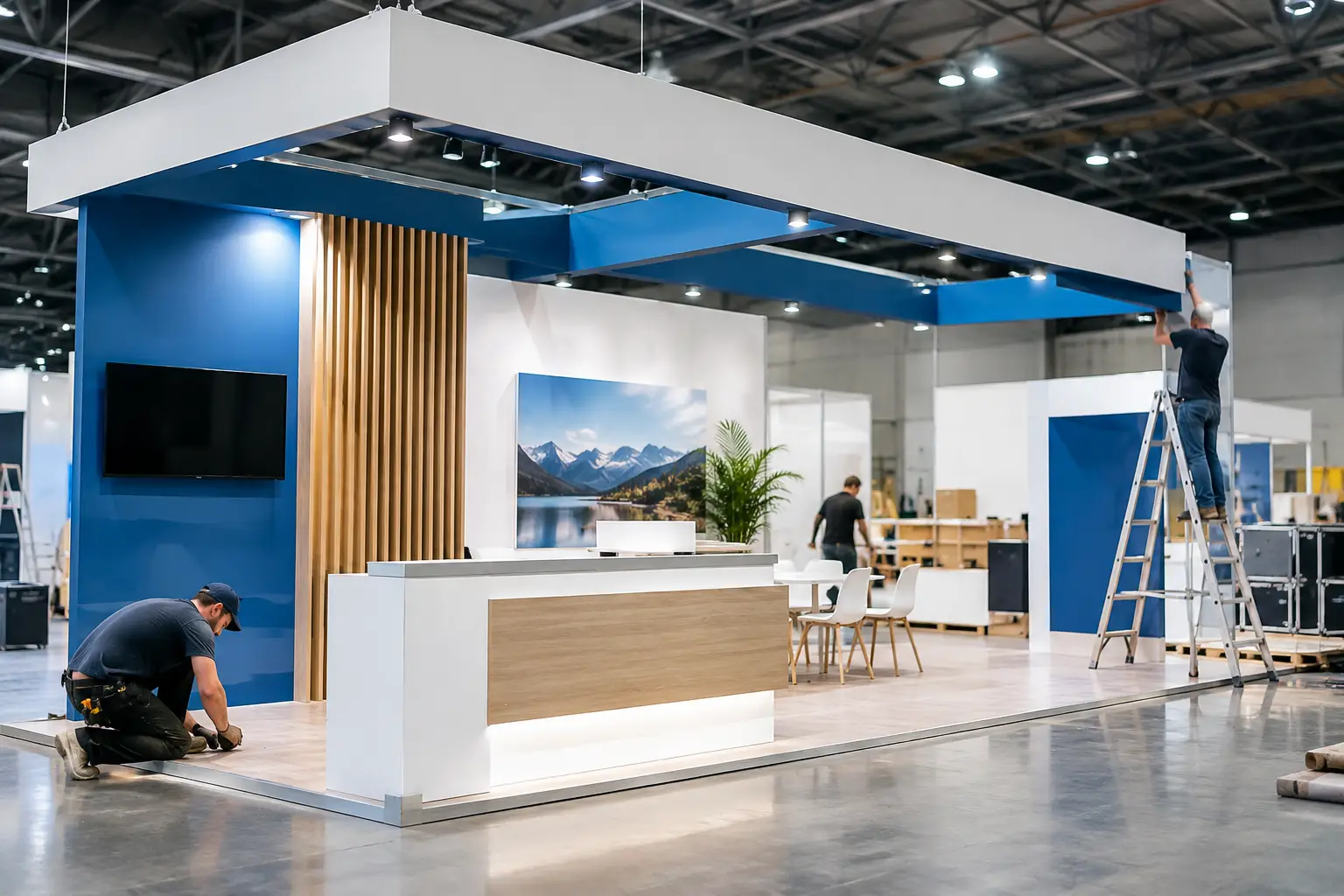
This is typically the most visible part of the budget and often the most debated. Custom stands, double decker builds, country pavilions, and high-tech display environments each carry different cost structures. Materials, structural engineering, fabrication detail, storage areas, meeting rooms, integrated AV, LED walls, and reusability all affect the final number.
There is no universal right answer between modular and custom. If you exhibit frequently across multiple regions, a reusable system may improve long-term value. If the event is strategically important and the brand needs a stronger statement, a custom-built stand may deliver better impact. The decision should be based on expected reuse, logistics, event profile, and the level of brand differentiation required.
Show services are easy to underestimate
Venue technical charges often catch teams off guard. Power, internet, water, compressed air, rigging, cleaning, waste handling, forklifts, and on-site labor are not minor extras. They can become a meaningful portion of the budget, especially at large international venues.
This is why experienced planning matters. The build cost may look competitive at first, but if service requirements are not mapped early, the total show cost can drift fast.
Logistics and handling can swing significantly
Shipping costs depend on origin, destination, timing, crate volume, customs rules, and show handling requirements. An event in Las Vegas or Chicago may have a very different material handling structure than a show in Dubai or Mumbai. International exhibitions also bring duties, documentation, and possible inspection delays into the picture.
If you are sending products or samples, account for both outbound and return logistics. If deadlines are tight, air freight can change the budget dramatically. Whenever possible, design decisions should consider shipping efficiency, not just aesthetics.
Graphics, digital media, and product presentation
Printed graphics, hanging signs, demo units, video content, touchscreens, sample plinths, shelving, and lighting all shape booth effectiveness. These items are often treated as finishing details, but they are central to how visitors understand your offer.
A stand can be beautifully built and still underperform if the message hierarchy is weak. Budgeting for clear graphics and strong product display is rarely wasted money.
Staffing, hospitality, and visitor engagement
Booth staff, presenters, hostesses, interpreters, product specialists, and hospitality all influence conversion. If the team is inexperienced or too small for the expected traffic, even a premium stand will lose opportunities.
That said, this category needs discipline. Not every booth needs elaborate catering or a large support team. The right spend depends on expected footfall, meeting density, audience profile, and your sales process.
Build in contingency from the start
If you want a realistic answer to how to plan trade show budget, include contingency before anyone asks for it later. A reserve of around 10 to 15 percent is sensible for most projects, though complex builds or first-time international shows may need more.
Contingency covers the costs that do not seem urgent in the planning stage but become very real in execution – electrical revisions, overnight labor, extra furniture, replacement graphics, delayed freight, venue compliance updates, or additional branding.
Without contingency, teams often cut the wrong things under pressure. They reduce visitor engagement elements or messaging quality when the smarter move would have been to protect those areas and reserve funds for unknowns.
Use trade-offs deliberately, not defensively
A controlled budget does not mean a cheap-looking exhibition presence. It means making the right compromises.
If funds are tight, protect the elements visitors actually notice first: structure, visibility, lighting, message clarity, and meeting functionality. Decorative extras can be scaled back. High-end finishes may matter less than layout and clean execution. A smaller stand in a stronger location may beat a larger stand in a weak one. Renting AV can make more sense than buying or shipping it, depending on geography and frequency of use.
There are also moments when spending more saves money. In-house fabrication, better project management, and pre-planned logistics can reduce errors, rework, and delay charges. The cheapest line item is not always the lowest total cost.
Align internal teams early
Budget overruns often come from fragmented decision-making rather than expensive ambition. Marketing wants stronger visual impact, sales asks for more meeting space, product teams add demos, and procurement pushes for cost reductions. All are valid perspectives, but without early alignment the booth becomes a moving target.
Set approvals early around objective, footprint, design direction, must-have features, and budget ceiling. Once those are fixed, the project moves faster and with fewer costly revisions.
This is where an experienced stand partner can add real value. A dependable design-and-build team does more than quote fabrication. They help identify cost risks early, recommend where to spend for impact, and engineer the project for buildability, transport, and on-site efficiency. For companies exhibiting across regions, that execution control matters as much as design quality.
Track cost per opportunity, not just total spend
The smartest budgets are judged after the show as well as before it. Instead of looking only at total cost, evaluate cost per qualified lead, cost per meeting, distributor opportunities created, press exposure, product demo engagement, or pipeline value influenced.
This changes how future budgets are set. A show with a high upfront spend may still be efficient if it produces strong business outcomes. Another event may look affordable on paper but underperform badly because the audience is weak or the presence lacks impact.
Over time, this approach helps you budget with more confidence. You stop guessing and start funding what works.
A simple planning rhythm that keeps budgets under control
In practice, the best budgeting process is straightforward. Define the event goal, lock the total spend range, divide it into major cost categories, add contingency, then review every design and operational choice against expected return. If a feature does not support the show objective, it should be questioned. If a cost strengthens visibility, engagement, or conversion, it deserves serious consideration.
Teams that follow this rhythm tend to avoid the usual last-minute scramble. They also make better creative decisions, because the budget becomes a framework for performance rather than a list of restrictions.
LemonTree Exhibitions sees this often across international trade shows: the strongest projects are not always the biggest. They are the ones where design ambition, logistics planning, and commercial priorities are aligned from the beginning.
A good trade show budget should give you control without reducing your presence to the lowest bidder version of your brand. Plan it with enough rigor to prevent surprises, and enough flexibility to support what actually wins attention on the show floor.