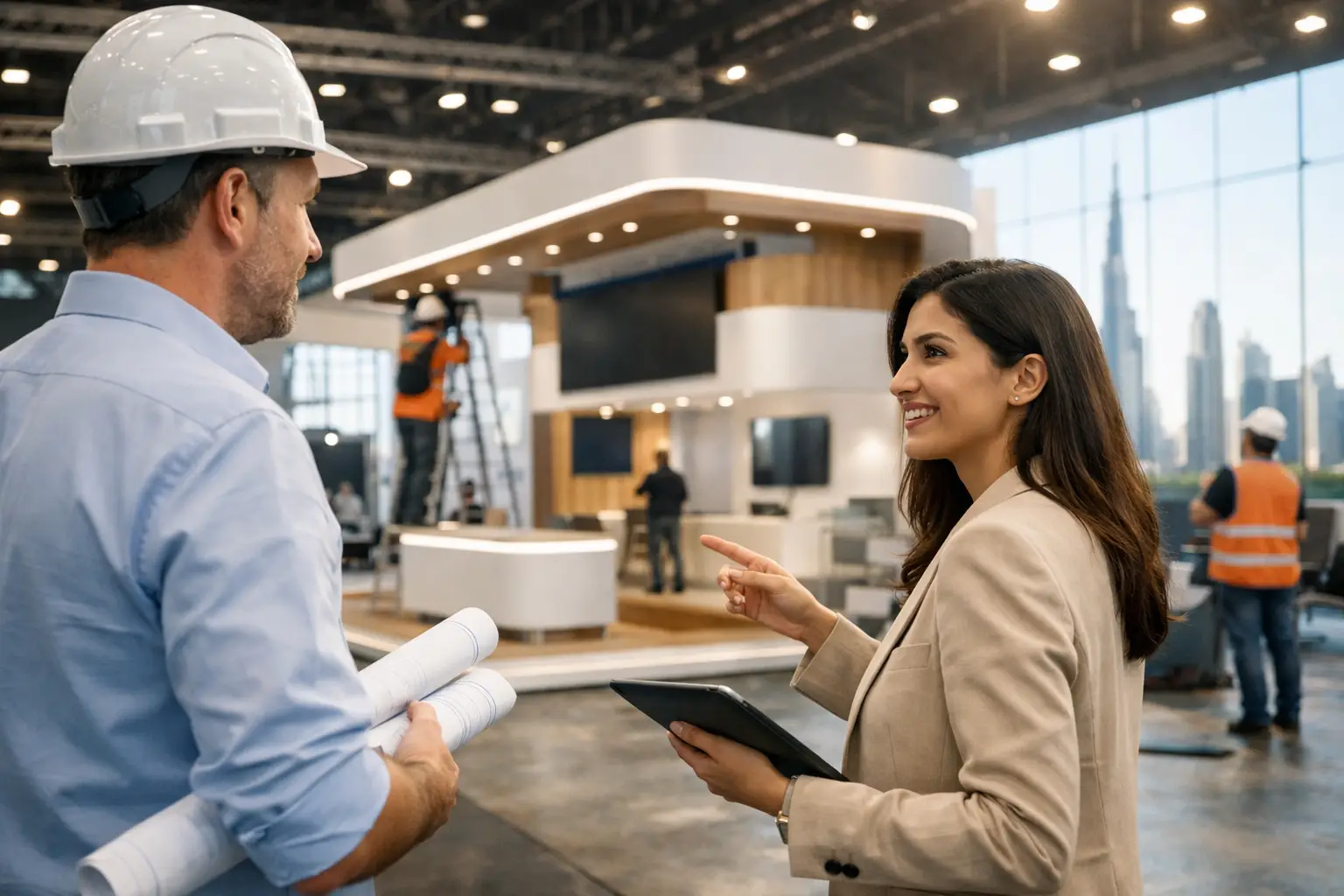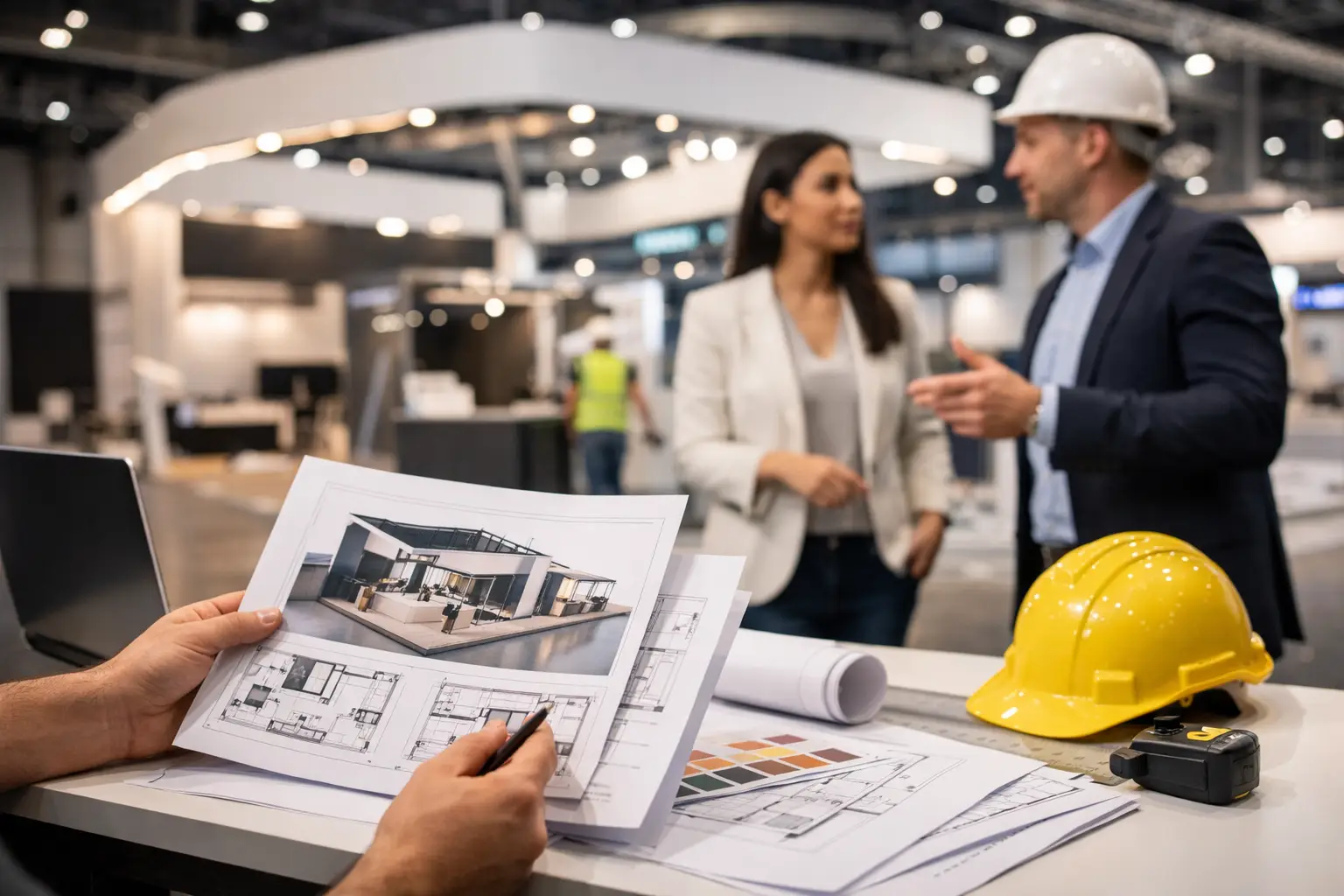



Miss one approval, one shipping deadline, or one power requirement, and an otherwise strong exhibit can start losing value before the show even opens. That is why a solid trade show planning checklist guide is less about paperwork and more about protecting results – your budget, your timeline, your brand presentation, and the quality of leads you expect to generate on the show floor.
For marketing teams, procurement leads, and business owners, trade show planning is rarely just about booking space and showing up with graphics. It involves brand strategy, technical coordination, logistics, staffing, visitor flow, lead capture, and post-show follow-through. The strongest exhibitors treat it as a managed project with clear ownership at every stage.
Why a trade show planning checklist guide matters
The cost of exhibiting is usually larger than it first appears. Floor space, stand design, fabrication, shipping, drayage, utilities, labor, storage, staffing, hospitality, travel, giveaways, and digital media all add up quickly. If planning is fragmented, costs rise in the least useful way – rushed production, rework, expedited freight, and design compromises.
A well-built checklist creates control. It helps your team make timely decisions, align internal stakeholders, and spot risks before they become expensive. This is especially important for companies exhibiting across multiple markets, where venue rules, build regulations, and supplier coordination can vary significantly from Dubai to Las Vegas or from Mumbai to Riyadh.
Just as important, a checklist keeps the project tied to outcomes. A trade show booth should not only look impressive. It should support the right conversations, draw the right audience, and make it easy for your sales team to move prospects forward.
Start with goals before design
Before anyone discusses booth size, LED walls, double-decker structures, or product displays, define what success looks like. Some brands want qualified distributor meetings. Others want product launches, live demos, press visibility, or regional market entry. A government pavilion may need to represent multiple entities under one unified identity. A large industrial exhibitor may prioritize meeting rooms and technical displays over open hospitality zones.
This is where many planning processes go off track. Teams jump to design too early, then spend weeks revising concepts because the stand was never mapped to a commercial objective. Your booth layout, content, messaging, and staffing model should all come from the same brief.
At this stage, settle the basics: target audience, event priorities, product focus, KPI expectations, and decision-makers. If several departments are involved, assign one internal owner with authority to approve quickly. That one step alone can protect your timeline.
Build the checklist around key phases
A practical trade show planning checklist guide works best when it follows the natural sequence of the project rather than becoming one long document of disconnected tasks.
1. Event selection and booth booking
Start by confirming whether the event deserves the investment. Review visitor quality, industry fit, exhibitor profile, hall traffic, historical lead performance, and competitor presence. Not every major show is the right show.
Once the event is approved, secure space early. Position matters. Corner booths, main aisle visibility, proximity to feature zones, and ceiling height allowances can all affect design options and foot traffic. If you are considering a premium structure or a large-format stand, waiting too long can limit what is possible.
2. Budget planning and scope control
Your budget should be built in layers. First, set the total investment range. Then break it into space booking, stand design and build, logistics, show services, staffing, travel, and contingency. Many exhibitors underestimate venue-related extras, which is why a low initial build quote does not always mean a lower final cost.
There is always a trade-off between ambition and efficiency. A custom stand creates stronger brand distinction, but only if the show supports that investment. For some events, a smart modular approach can be more commercially sensible, especially if the stand needs to travel across multiple exhibitions.
3. Design development
Once the scope is clear, move into concept design. This is where aesthetics and functionality need to work together. Strong stands attract attention, but they also solve practical problems. Can visitors understand your offer in three seconds? Is there room for product display, demos, private meetings, storage, and hospitality? Does the layout pull people in or block them at the edge?
The best design conversations are not about decoration. They are about behavior. Where will people stop? What will they touch? Where will your team qualify leads? How will branding appear from a distance and at eye level? A visually bold booth that creates confusion is not a strong booth.
4. Technical approvals and show compliance
This phase is where detail-oriented planning pays off. Submit working drawings, structural calculations if needed, electrical requirements, rigging requests, and material details within the organizer’s deadlines. Double-decker stands, suspended features, LED installations, and custom lighting often require closer review.
It depends on the venue and market, but compliance delays can affect both cost and build access. If your exhibition partner manages design, production, logistics, installation, and dismantling in-house, coordination is usually faster because fewer details are lost between vendors.
5. Content, graphics, and visitor engagement
Too many booths look finished but communicate very little. Your graphics should not read like a brochure pasted onto walls. Focus on one clear message hierarchy: who you are, what you offer, and why it matters now. Then support that with selective product information, screens, samples, or demonstration areas.
If your team is launching a product, prepare the full visitor experience. That may include teaser visuals, presentation timings, trained presenters, media assets, and a clear call to action. If lead generation is the priority, make the next step obvious – book a meeting, request a sample, schedule a site visit, or speak to a sector specialist.
6. Staffing, training, and operations
A premium booth can underperform if the wrong team is standing in it. Staff planning should cover headcount, roles, shift timing, dress code, lead qualification criteria, meeting schedules, and escalation contacts. For international events, language coverage may matter just as much as product knowledge.
Your team also needs a booth playbook. Keep it concise. What are the daily goals? How should inbound visitors be greeted? Which leads are high priority? Where are brochures, samples, chargers, backups, and hospitality supplies stored? Trade shows move quickly, and operational clarity helps your team stay sharp.
7. Logistics, installation, and pre-show checks
This is the stage where deadlines become real. Confirm production timelines, packaging, shipping documents, insurance, customs requirements, warehouse cutoffs, and on-site installation schedules. International exhibiting adds another layer, especially when exhibits cross borders or move between back-to-back shows.
Before the show opens, conduct a full snag check. Test lighting, AV, screens, sockets, product displays, storage access, meeting furniture, branding accuracy, and internet connectivity. Small issues are easiest to solve before visitors arrive.
Common planning mistakes that weaken results
The most common mistake is late decision-making. Delayed artwork, delayed approvals, and delayed vendor sign-off compress every phase that follows. Quality usually suffers at the end, not the beginning.
Another issue is treating the stand as a one-time design exercise instead of a business tool. If the layout does not support sales conversations, product visibility, and efficient staff movement, even a beautiful exhibit can feel flat.
A third mistake is underestimating post-show planning. Leads should not sit in a spreadsheet for two weeks while the team catches up. Build the follow-up workflow before the event starts. Decide who owns outreach, how leads will be scored, and what response timeline your prospects should expect.
How experienced exhibitors stay in control
Experienced exhibitors simplify complexity by working from one coordinated timeline. They lock objectives early, appoint one owner, approve design with purpose, and choose partners who can manage execution without constant hand-holding. That does not mean every booth needs to be oversized or expensive. It means every decision needs to support the outcome.
This is where a full-service partner can make a measurable difference. When concept design, production, logistics, installation, and dismantling are managed through one accountable team, the project tends to move faster and with fewer surprises. For brands exhibiting in multiple regions or building premium custom environments, that control is often worth more than a small line-item saving.
LemonTree Exhibitions has seen this firsthand across major industry events where timelines are tight, compliance is strict, and brand expectations are high. The exhibitors who get the strongest return are not always the ones with the largest footprint. They are usually the ones who planned early, aligned every detail to a clear goal, and executed with discipline.
The best checklist is not the longest one. It is the one that helps your team make better decisions at the right time, so when the show opens, you are not reacting – you are ready to perform.