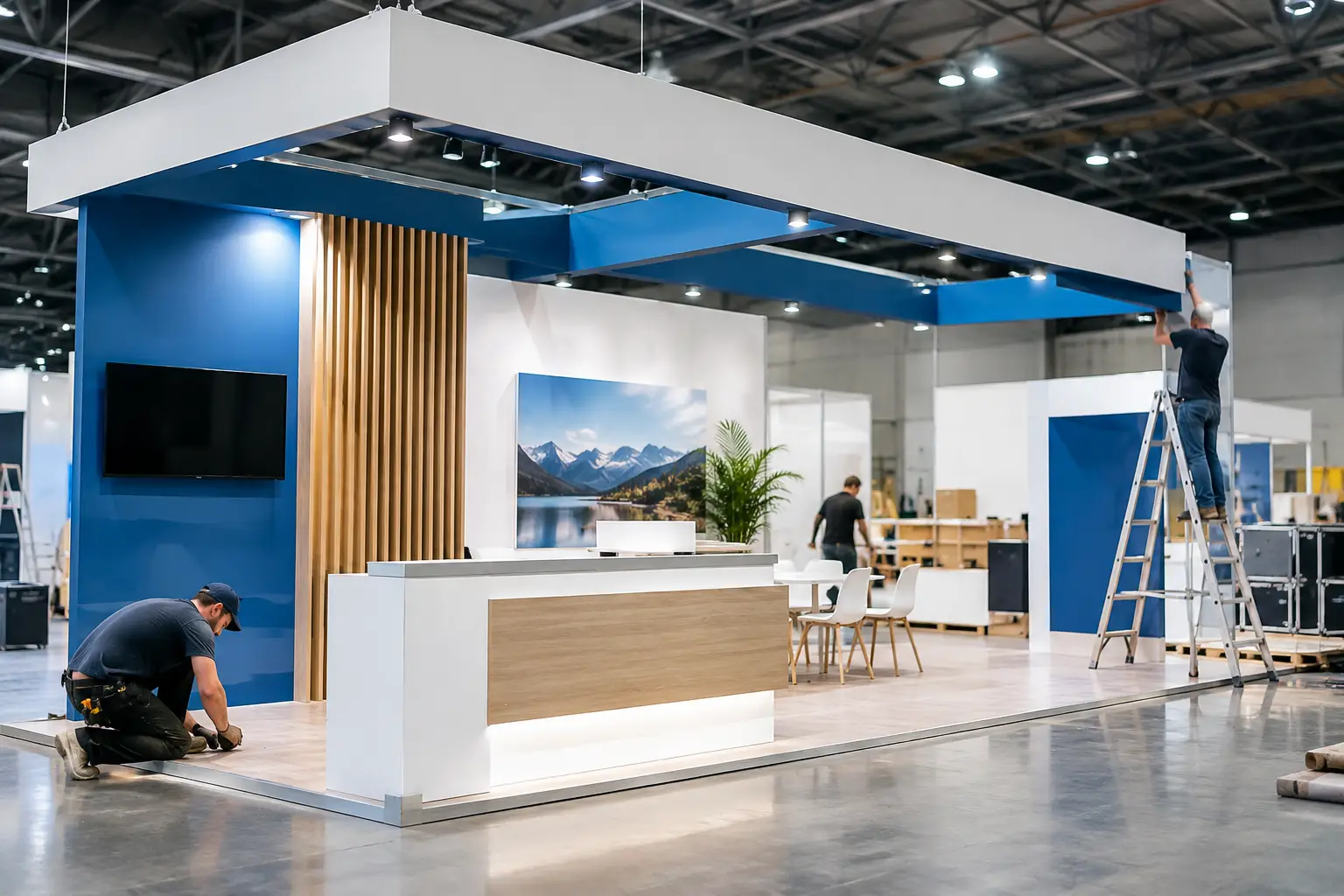

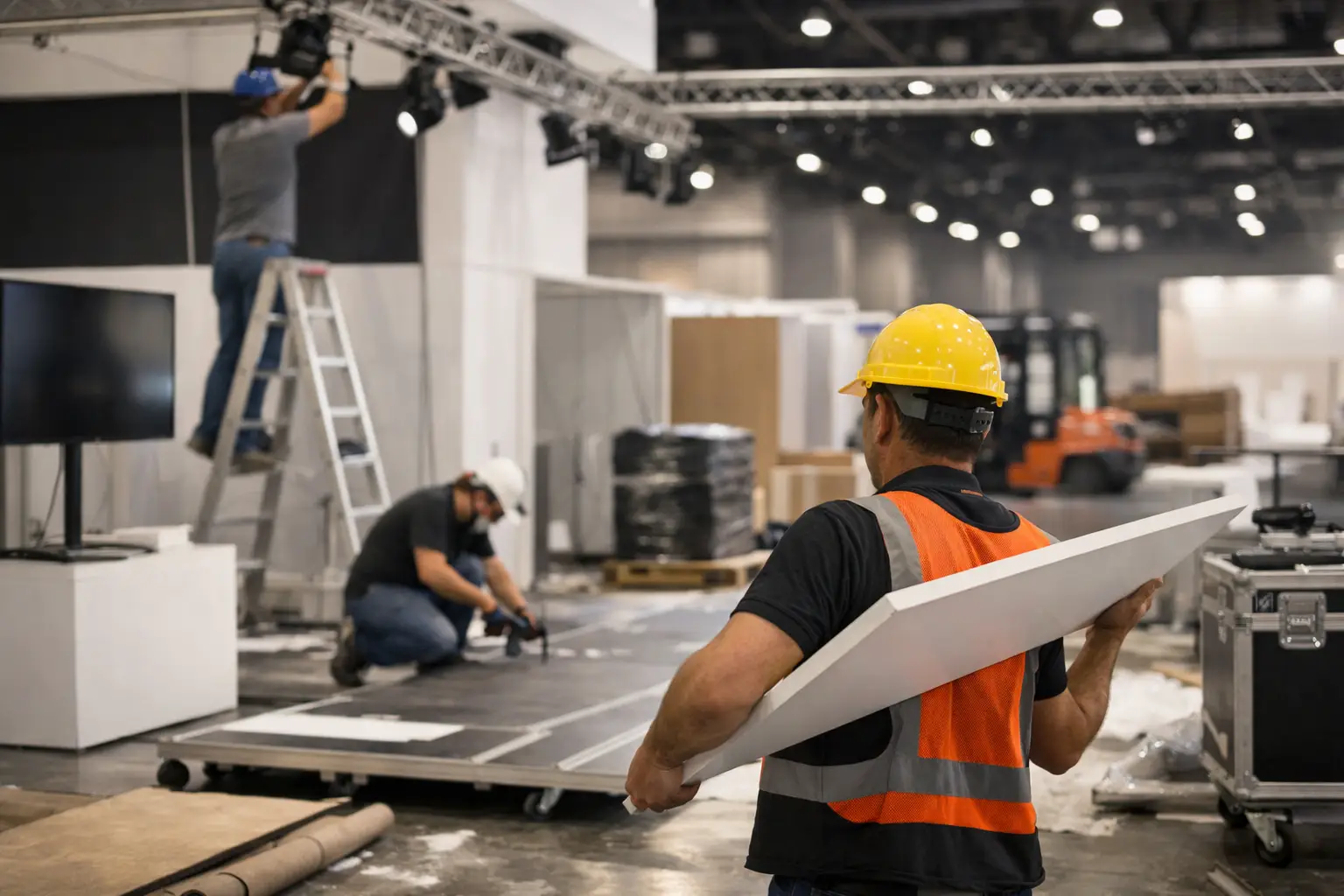

The show floor rarely gives you a graceful ending. One moment your team is still speaking with prospects, and a few hours later the venue wants the stand cleared, packed, and out of the hall. That is exactly where trade show dismantling services matter most. A fast teardown is not enough. What brands need is a controlled exit that protects assets, avoids venue penalties, and keeps the next event on track.
For marketing teams and procurement leads, dismantling is often treated as the final line item in an event budget. In practice, it affects far more than event closeout. It influences labor costs, damage risk, freight timing, storage quality, sustainability outcomes, and whether reusable stand components are still in good condition for the next show. If the build phase creates impact, the dismantling phase protects the investment.
What trade show dismantling services actually cover
A professional dismantling scope starts with method, not muscle. The team should know how the stand was built, which sections are reusable, what needs special handling, and how the venue’s move-out schedule works. Without that planning, teardown becomes rushed, expensive, and vulnerable to mistakes.
Most trade show dismantling services include removing graphics, AV equipment, lighting, flooring, structural elements, furniture, and branded displays. They also cover packing and labeling, return logistics, storage coordination, and disposal of materials that cannot be reused. For larger custom stands, the job can also involve electrical disconnects, rigging coordination, and phased dismantling based on hall access windows.
This is why experienced exhibitors prefer one partner that can manage design, fabrication, installation, and dismantling under the same operational system. The teardown team already understands the stand’s materials, assembly points, and transport requirements. That reduces handover gaps and helps preserve quality after the event ends.
Why dismantling is not just “taking the booth down”
A custom exhibition stand is not a disposable shell. It is a physical brand asset made up of manufactured parts, technology, finish materials, and transport-sensitive components. When teardown is treated casually, losses show up quickly – scratched counters, damaged graphics, missing light fixtures, broken joinery, and hardware packed without identification.
Those problems do not stay at the venue. They reappear at the next event as rush production costs, emergency repairs, delayed installation, or a stand that no longer reflects the standard your brand expects. The cheapest teardown option can easily become the most expensive choice once replacement and rework are counted.
There is also the venue side of the equation. Major exhibitions operate on strict move-out schedules, loading dock windows, and labor rules. A dismantling crew that arrives late, lacks the right tools, or misses safety requirements can trigger penalties and disrupt outbound freight. For exhibitors with back-to-back shows, that kind of delay can create pressure across the entire event calendar.
The operational details that separate good from risky
Reliable trade show dismantling services are built around control. That starts with pre-event planning. Before the show opens, the dismantling team should already have a scope sheet, packing plan, inventory expectations, labor allocation, transport sequence, and venue move-out instructions.
On-site supervision matters just as much. A stand should not be dismantled by a crew guessing where parts belong. Supervisors need to direct the sequence, protect reusable elements, and confirm that every item is packed according to the next destination – storage, return freight, refurbishment, or disposal.
Labeling is one of the simplest signs of a disciplined provider. Crates, cartons, and loose components should be marked clearly by zone, item type, and next-use status. When that step is skipped, brands often pay for it later through long warehouse searches, repacking, or missing parts during future setups.
Then there is waste control. Not every material should be thrown away, and not every material is worth shipping back. Good partners help clients decide what to keep, what to refurbish, what to recycle, and what to discard. That balance depends on cost, condition, and upcoming exhibition plans. It is rarely one-size-fits-all.
When custom stands need a different dismantling approach
Modular booths are usually quicker to take down, but custom builds require more judgment. Large-format graphics, LED walls, premium finishes, suspended elements, and double deck structures all need a teardown sequence that respects both safety and reusability.
For example, AV equipment cannot simply be unplugged and boxed without testing, cable management, and protective packing. Finished carpentry elements may need partial disassembly rather than full breakdown if they are intended for reuse. Double deck components demand structural awareness and proper crew coordination. In these cases, speed still matters, but not at the expense of asset value.
This is where full-service exhibition companies tend to create stronger outcomes. Because design, fabrication, and on-site execution sit under one roof, the dismantling process reflects the original engineering of the stand. That continuity usually means fewer surprises during move-out and better preservation of the build for future use.
Budget pressure is real, but so is the cost of poor teardown
Many exhibitors ask the same question near the end of planning: do we really need a specialist dismantling team? Sometimes a simpler booth setup can be handled with a leaner scope. But for custom-built environments, international shows, or premium brand presentations, cutting dismantling too aggressively is a false economy.
The right way to evaluate cost is not by labor hours alone. Consider damage exposure, overtime risk, drayage timing, crate quality, reusability of branded elements, and the cost of replacing components before the next event. Once those factors are included, professional dismantling often proves more efficient than piecing the process together through separate local vendors.
It also helps to think beyond one event. Brands exhibiting multiple times a year benefit from a teardown process that supports storage, refurbishment, and repeat use. That approach creates more predictable budgets over time and helps maintain a consistent brand standard across markets.
What exhibitors should ask before booking trade show dismantling services
The best conversations happen before the event, not after the hall closes. Ask who will supervise the move-out, whether the dismantling crew has handled similar stand types, how packing and inventory will be managed, and what happens to reusable versus discarded materials.
You should also ask about post-show logistics. Will items go directly to your next event, to local or regional storage, or back to your office or warehouse? Is condition reporting included? Are there photos, inventory notes, or damage records after teardown? These details matter because they turn dismantling from a rushed ending into a managed handoff.
For international exhibitors, cross-border coordination adds another layer. Freight timelines, customs documentation, and storage requirements can all be affected by how and when the stand is packed. An experienced partner can align dismantling with outbound logistics so that the entire post-show process stays efficient.
Why the right partner makes the difference
Dismantling is one of those services that clients notice most when it goes wrong. When it goes right, the result is calmer: the venue clears on time, assets are accounted for, your team leaves without last-minute firefighting, and the next exhibition starts with fewer unknowns.
That kind of reliability does not come from labor alone. It comes from process, trained crews, clear supervision, and an understanding that the stand still represents your brand even while it is being taken apart. For companies exhibiting at major events such as GITEX, ADIPEC, Gulfood, Big 5, or international industry shows in markets like Germany and the USA, that level of control is not a luxury. It is part of professional event delivery.
LemonTree Exhibitions approaches dismantling the same way it approaches design and build – with practical planning, in-house coordination, and close attention to what the client needs next, not just what needs to leave the hall today. That is a smarter way to protect both the stand and the exhibition budget.
A well-executed teardown is not the end of your event strategy. It is the first step toward your next show, your next setup, and the next chance to present your brand at full strength.