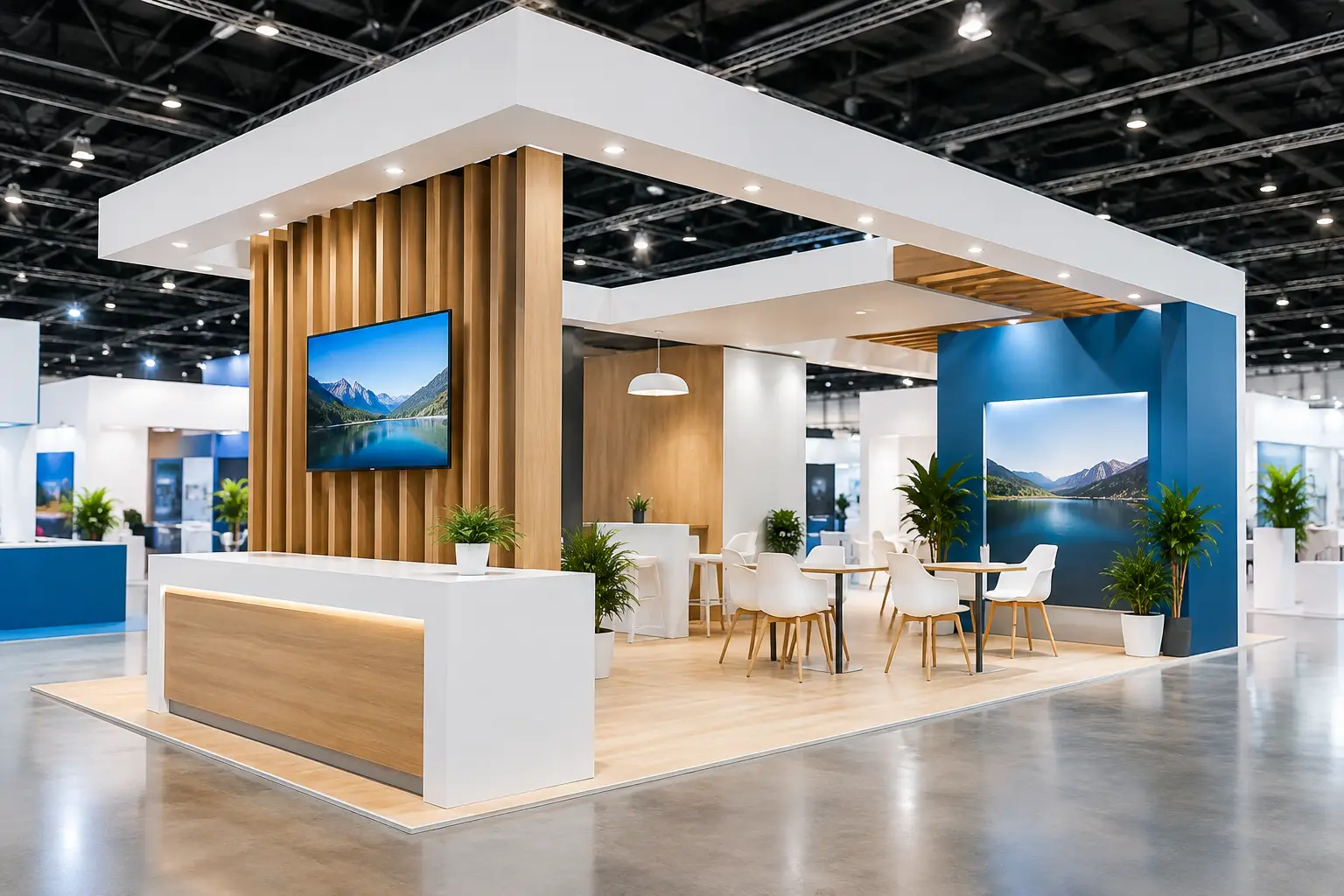

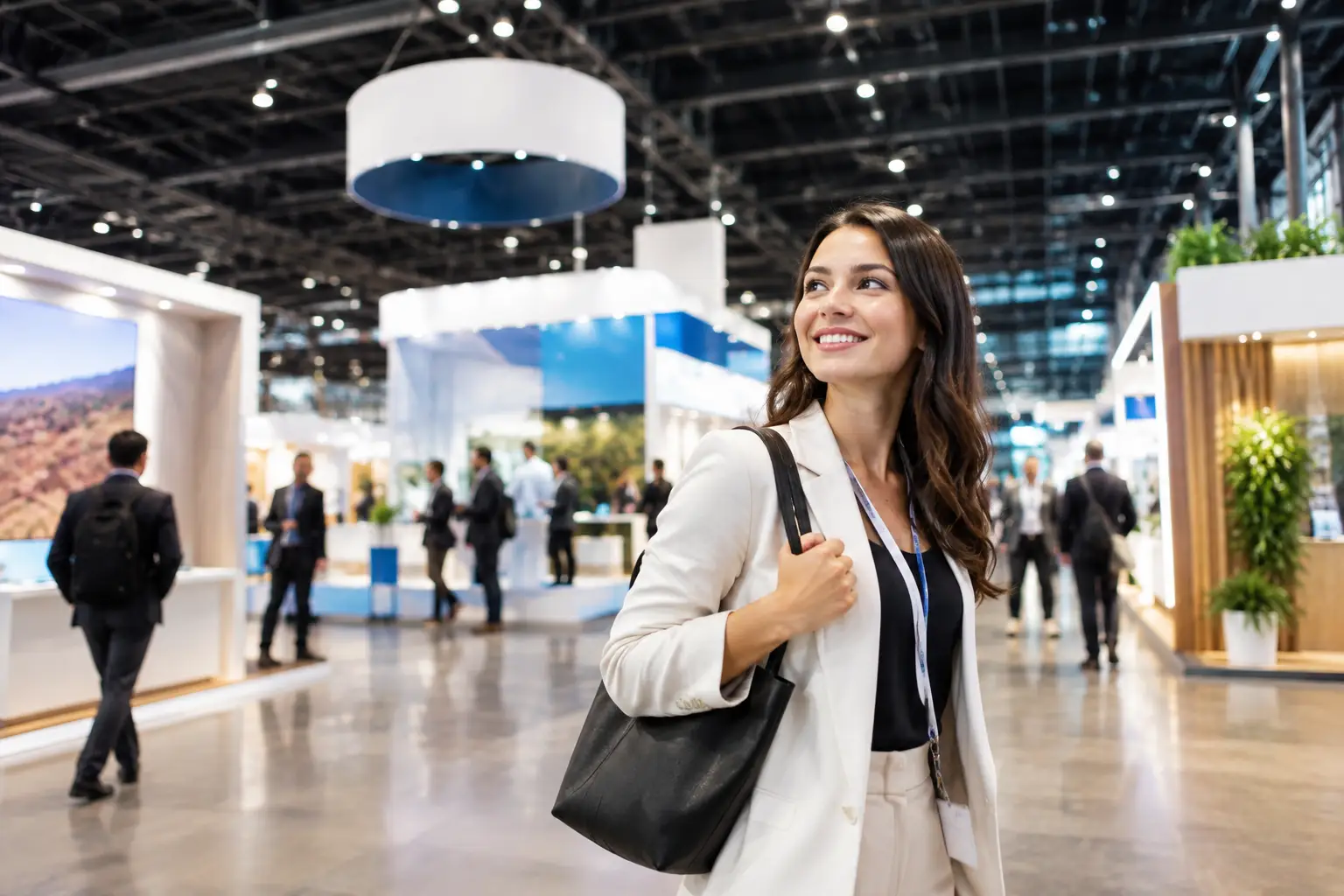

Las Vegas exhibitions move at a different speed. On a busy show floor, your brand has seconds to signal relevance, draw the right visitor in, and give the sales team a setting that supports a serious conversation. A visually impressive booth helps, but appearance alone will not carry the investment. The stand must work as a commercial environment – planned around audience flow, product storytelling, meetings, staffing, and dependable on-site delivery.
For marketing teams, exporters, and procurement leaders, the opportunity is substantial. Las Vegas attracts major B2B events across technology, manufacturing, automotive, energy, construction, healthcare, consumer products, and more. It also creates intense competition for attention. The brands that perform well are rarely the loudest. They are the ones with a clear objective and a stand designed to make that objective easier to achieve.
What Makes Las Vegas Exhibitions Different?
The scale of Las Vegas can be both an advantage and a challenge. Large venues, high visitor volumes, packed schedules, and internationally distributed exhibitors put pressure on every decision. A booth that feels spacious in a 3D concept can feel crowded once demo equipment, storage, lead capture, hospitality, and a full sales team arrive.
Exhibitors also need to account for the practical realities of the city. Installation windows can be tight, labor coordination must be accurate, and freight planning needs to be resolved well before the move-in date. A delayed graphic panel or missing electrical detail is not a small issue when the entire floor is working to a fixed opening time.
This is why stand design and stand execution should be treated as one discipline. The creative idea needs to respect venue regulations, build schedules, access points, material handling, electrical needs, and the actual behavior of visitors. A reliable exhibition partner protects the concept by making it buildable.
Start With the Commercial Job of the Stand
Before choosing finishes, screens, or architecture, define what success should look like. For one company, the priority may be product demonstrations. For another, it may be private meetings with distributors, investor visibility, or a high-volume lead campaign. Government bodies and trade associations may need a country pavilion that gives multiple participating companies equal visibility while maintaining one cohesive identity.
The right format depends on that goal. An open stand with prominent demo zones is often effective when footfall and product interaction matter most. A more controlled layout with semi-private lounges may suit an enterprise brand pursuing scheduled meetings. A double-decker stand can add hospitality and meeting capacity without expanding the floor footprint, but it also requires early engineering, approvals, and a budget that supports the structure.
A strong brief should identify the audience, product categories, required conversations, team size, daily visitor target, and the actions visitors should take after leaving the booth. Those details turn a general request for a premium stand into a practical design direction.
Design for movement, not just visibility
A booth can look bold from the aisle and still underperform if people do not know where to enter or what to do next. The best layouts create a natural progression: attract attention, communicate the brand promise, invite interaction, then provide a place for a focused discussion.
Keep the primary message visible from the main approach. Place product demonstrations where they can be seen without blocking circulation. Put storage close enough to support the team, but out of the visitor experience. If a private meeting area is required, protect it from noise and casual traffic without making it hard to find.
LED video walls can create strong visual energy, especially for product-led technology or automotive brands. But screens should support the story, not replace it. Fast-moving content without a clear message becomes background noise. A concise loop that explains what the company does, who it serves, and why it matters will typically earn more meaningful engagement.
Budget for the Experience You Need
Las Vegas exhibition budgets are shaped by far more than booth size. The stand type, structural complexity, material choices, graphics, lighting, AV, furniture, labor, logistics, venue services, and post-show dismantling all affect the final figure. The most productive budget conversations happen early, before a concept is approved that cannot be delivered at the expected investment level.
Custom builds provide the strongest brand control and can be especially valuable for flagship launches, large product displays, or high-stakes customer meetings. Modular elements can be a sensible choice for repeat exhibitors who need flexibility and cost discipline. Neither route is automatically better. The right choice depends on your show calendar, brand ambition, and how much reuse is realistic between events.
Avoid treating storage, power, cleaning, internet, and staff comfort as secondary details. These operational items influence how well the booth performs throughout the day. A polished presentation loses credibility quickly if the team has nowhere to keep literature, devices cannot charge, or hospitality supplies spill into customer-facing areas.
Where cutting costs can create risk
Value engineering is useful when it removes unnecessary complexity without weakening visitor impact. It becomes risky when it cuts the features that support lead generation, product presentation, or build quality. Reducing decorative finishes may be sensible. Reducing structural stability, lighting quality, installation time, or contingency planning is not.
For international exhibitors, local execution is another critical consideration. A partner with in-house design, fabrication control, and experienced on-site project management can reduce handoffs and clarify accountability. LemonTree Exhibitions approaches each project as an end-to-end delivery process, from free 3D concept development through fabrication, logistics, installation, and dismantling. That control matters when schedules are fixed and brand teams need quick answers on the ground.
Plan the Visitor Experience Before the Show Opens
The stand is only one part of the exhibition program. Its impact rises when the campaign, staffing plan, and follow-up process are aligned with the physical environment.
Your pre-show communication should give priority guests a reason to visit. That might be a product launch, a booked demonstration, an expert consultation, or a targeted networking opportunity. Once visitors arrive, staff need to know how to qualify them. Not every attendee needs the same pitch, and not every conversation should be handled in the same part of the stand.
For busy Las Vegas exhibitions, assign clear roles. Some team members should greet and qualify visitors at the edge of the booth. Product specialists should handle demonstrations. Senior commercial staff should be available for decision-makers and scheduled appointments. If the team is occupied with basic directions or retrieving brochures, valuable conversations can be missed.
Fair hostesses and event staff can be useful for registration support, visitor guidance, hospitality, and maintaining an organized front-of-house experience. They should complement the sales team, not substitute for subject-matter expertise.
Measure More Than Footfall
A crowded booth is encouraging, but it is not the same as a successful exhibition. The better question is whether the right people engaged with the right message and moved toward a commercial next step.
Set a small number of measurable targets before the event. These may include qualified leads, booked meetings, product demos completed, distributor conversations, media interactions, or opportunities created in the CRM. Give the team a shared definition of a qualified lead so the final report is credible and useful.
Review the booth experience each evening. Are visitors hesitating at the entrance? Is the demo area becoming congested? Are meeting rooms being used as planned? Small adjustments to staffing positions, screen content, product placement, or lead capture can improve the remaining days of the show.
The post-show process should begin before the team leaves Las Vegas. Segment leads by priority, assign ownership, and set follow-up expectations while conversations are still fresh. A well-designed booth creates the setting for opportunity; timely follow-up is what turns that opportunity into pipeline.
Build for Impact, Then Deliver With Control
The best Las Vegas exhibitions feel effortless to the visitor because the difficult work happened earlier. The brand message is clear. The booth invites participation. The product has room to perform. The sales team can work with confidence because every practical detail has been anticipated.
When you plan your next Las Vegas presence, choose a stand strategy that earns attention for the right reasons: clear positioning, purposeful design, dependable execution, and a visitor experience built to start valuable business conversations.