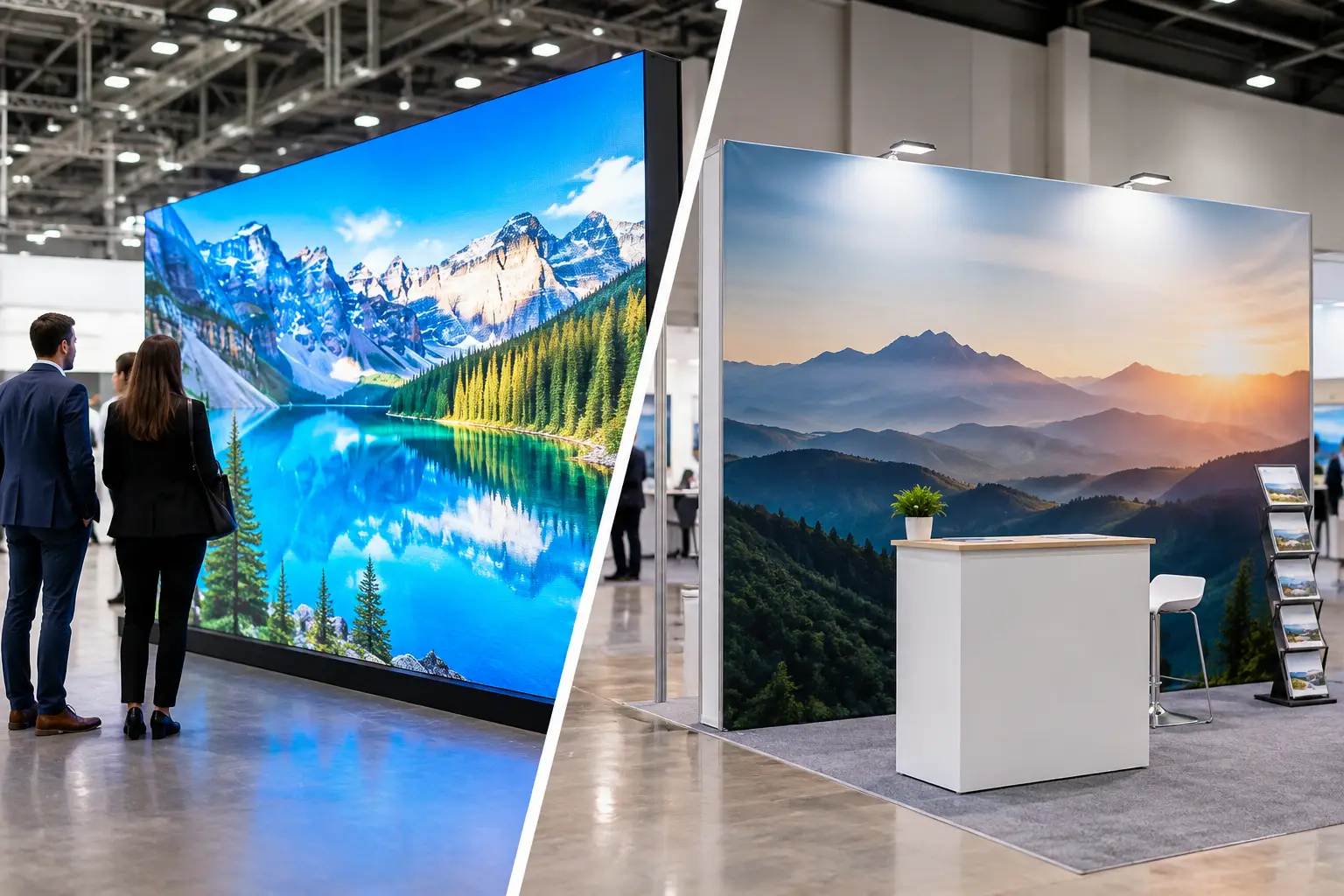

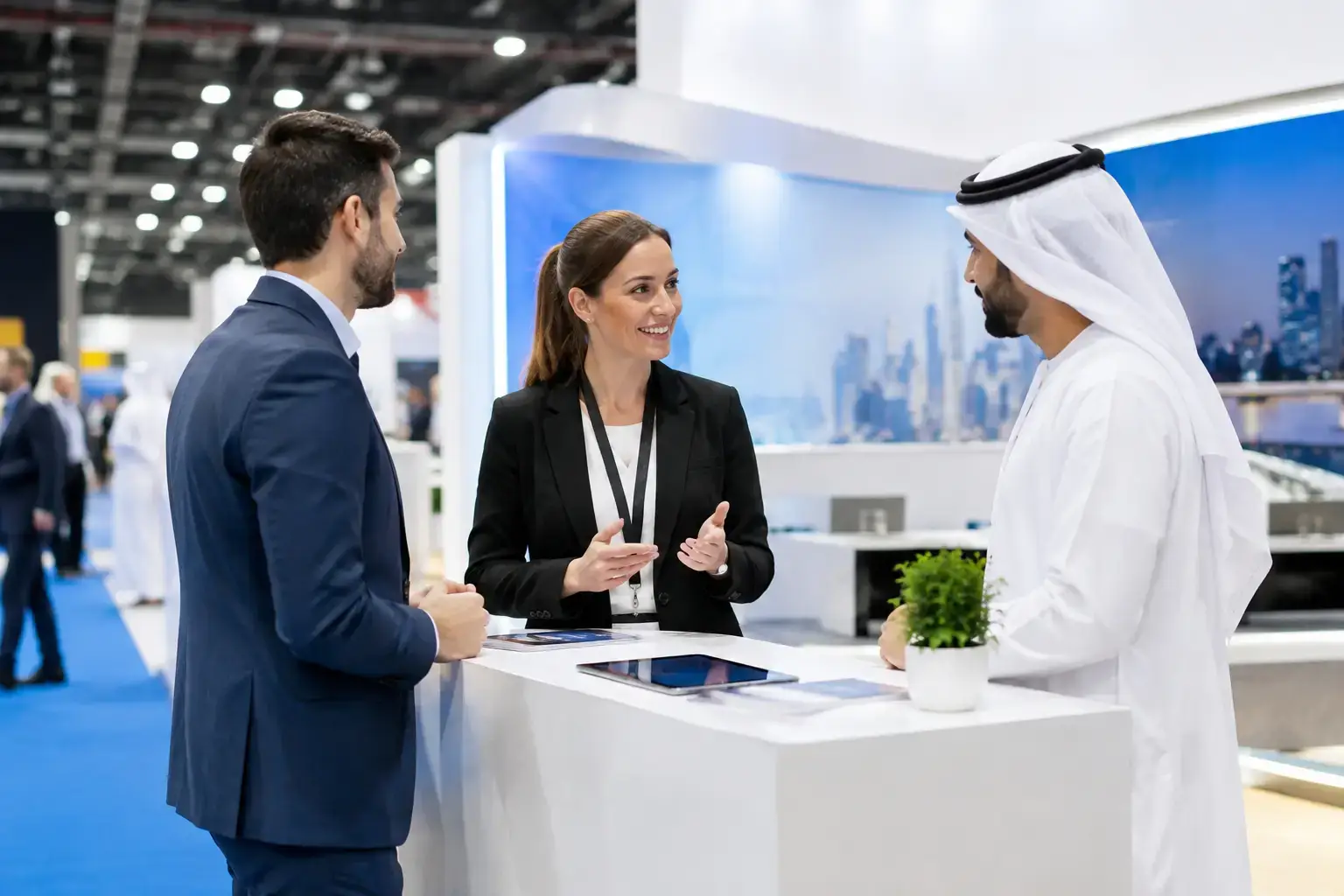

A crowded aisle at Intersec Global is not proof that a stand is working. The real measure is whether the right visitors stop, understand your offer quickly, and leave with a reason to continue the conversation. For security, safety, fire protection, cybersecurity, and smart-building brands, that requires more than an attractive structure. It requires a stand designed around commercial objectives, product behavior, and disciplined on-site execution.
What Intersec Global Demands From Your Stand
Intersec Global brings together technical products, informed buyers, distributors, government representatives, consultants, and project decision-makers. Many visitors arrive with a specific application in mind: securing a facility, upgrading a surveillance network, meeting fire compliance requirements, protecting critical infrastructure, or sourcing a regional distribution partner.
That changes how an exhibitor should plan. A stand cannot rely on broad brand statements or decorative features alone. It needs to make a complex offer easy to understand within seconds, while creating enough space for productive conversations that may involve detailed specifications, commercial terms, or demonstrations.
The strongest exhibition presence balances visibility with credibility. A bold overhead identity may draw visitors from across the hall, but the experience on the floor must support serious buyer evaluation. For a software-led security brand, that could mean an easy-to-follow screen demonstration and a private meeting area. For a fire and life-safety manufacturer, it may mean giving a physical product range room to be viewed, handled, and compared without creating clutter.
Start With the Outcome, Not the Stand Size
Before approving a concept, define what success should look like at the event. Lead volume matters, but it is rarely the only target. A brand launching into the Gulf market may prioritize distributor meetings. An established manufacturer may need to demonstrate a new product line to consultants and end users. A company with a long sales cycle may focus on booking post-show technical presentations with qualified prospects.
These goals determine the space plan. If your team needs to host scheduled buyer meetings, allocating generous space to a semi-private lounge is more valuable than filling every square foot with product displays. If live demonstrations are the center of the sales story, the demo area should be visible from the aisle and planned for small groups without blocking circulation.
A useful brief answers four questions early: who must visit, what they need to understand, what action they should take, and how the sales team will record that action. When those answers are clear, design decisions become easier to defend and budgets are less likely to drift toward features that look impressive but do not serve the campaign.
Build one clear message into the visitor journey
Technical exhibitors often have several product categories, multiple industries, and different messages for different markets. Trying to communicate all of them at the front of the booth creates confusion. Lead with the offer that has the strongest relevance to the audience you want to attract, then organize supporting solutions behind it.
A visitor should be able to identify your brand, category, and core value from the aisle. Once they enter, the stand can guide them toward deeper information through product displays, interactive content, expert conversations, and meeting spaces. Think of it as a progression from attention to understanding to action.
For example, an access-control provider might lead with a clear statement about faster, more intelligent entry management. Inside the stand, separate touchpoints can show credentials, hardware, integration capabilities, and use cases for airports, offices, data centers, or large campuses. The message remains focused, while the product story gains the detail serious buyers expect.
Design for Demonstration, Not Just Display
At Intersec Global, visitors often need to see how a solution behaves. A screen can explain a dashboard, but it cannot always replace an active demonstration. A camera analytics system is more persuasive when it shows a real scenario. A connected fire-safety product benefits from a display that makes the technology and application visible. Even a physical product needs appropriate lighting, labeling, and access for meaningful inspection.
The design challenge is to make demonstrations effective without turning the stand into a noisy or congested theater. Position the primary demo where passing visitors can notice it, but ensure the presenter has room to engage a small audience. Use supporting screens and concise graphic panels to reinforce the point rather than repeat every technical detail.
Sound is a practical consideration. Open halls are busy, and amplified presentations can compete with neighboring booths. In some cases, smaller scheduled demonstrations supported by individual screens or headsets work better than a constant stage presentation. The right choice depends on your product, the expected audience, and whether the conversation needs to move from broad awareness to technical consultation.
Give sales conversations the right setting
An impressive front-facing display can be wasted if the team has nowhere to qualify leads or discuss commercial requirements. Create a clear transition from the public demonstration zone to a more focused discussion area. This does not always require a fully enclosed room. A thoughtfully placed meeting table, acoustic details, and partial screening can provide enough privacy while keeping the booth open and welcoming.
For larger stands, separate spaces for quick introductions and scheduled meetings are often worthwhile. Senior buyers should not have to discuss a significant project while standing in the aisle. At the same time, a closed-off layout can feel unapproachable if too much of the footprint is hidden behind walls. The best arrangement protects important conversations without isolating the brand from passing traffic.
Make Operations Part of the Creative Plan
A successful exhibition stand is built twice: first in the planning process, then on the show floor. The visual concept only holds value when it can be fabricated accurately, transported safely, installed on schedule, and handed over ready for the team to use.
This matters especially for multi-market exhibitors managing international logistics, technical approvals, LED content, product deliveries, and a short build window. Materials, rigging requirements, electrical loads, storage needs, access points, and cleaning must be considered before production begins. A stunning feature wall that blocks cable access or leaves no room for product stock will quickly become an operational problem.
Working with one accountable design-and-build partner reduces handoffs between concept, fabrication, logistics, installation, and dismantling. LemonTree Exhibitions manages these stages in-house, helping clients retain design ambition while maintaining control over quality, timing, and budget.
Sustainability should also be considered early. Reusable structural systems, repurposed materials, efficient lighting, and modular components can reduce waste without making the stand feel generic. The best choices depend on whether the stand is intended for a single event or adapted for a wider exhibition calendar.
Prepare the Team to Convert Interest Into Value
The booth team shapes the visitor experience as much as the architecture does. At a high-intent event, the difference between a useful conversation and a missed opportunity can be as simple as how quickly staff identify a visitor’s role, project scope, and timeline.
Brief the team on the stand journey before the show opens. They should know which product story belongs at each zone, where to take technical discussions, and how to invite visitors into a demonstration without creating pressure. A polished greeting is useful, but informed listening is more valuable. Questions about the visitor’s application, current challenge, and decision timeline reveal much more than a generic product pitch.
Lead capture should be equally deliberate. Agree on qualification fields in advance, such as industry, project type, geography, expected purchase window, and next action. If staff collect names without context, the post-show follow-up process becomes slower and less effective. If they capture clear needs and commitments, sales teams can prioritize quickly after the event.
Leave Room for What Happens After the Show
The most valuable Intersec Global stand is one that supports follow-up as deliberately as it supports first impressions. Build the post-event plan before the event starts: assign lead owners, prepare tailored follow-up materials, and establish response times for high-priority prospects. A visitor who requested a technical meeting or quotation should not wait while the team sorts through unqualified contacts.
Plan the physical environment with this longer sales journey in mind. Every demo, product display, and meeting conversation should help your team understand what the prospect needs next. When the stand is designed as a working sales environment rather than a temporary backdrop, it gives your people a far better chance to turn exhibition attention into commercial momentum.