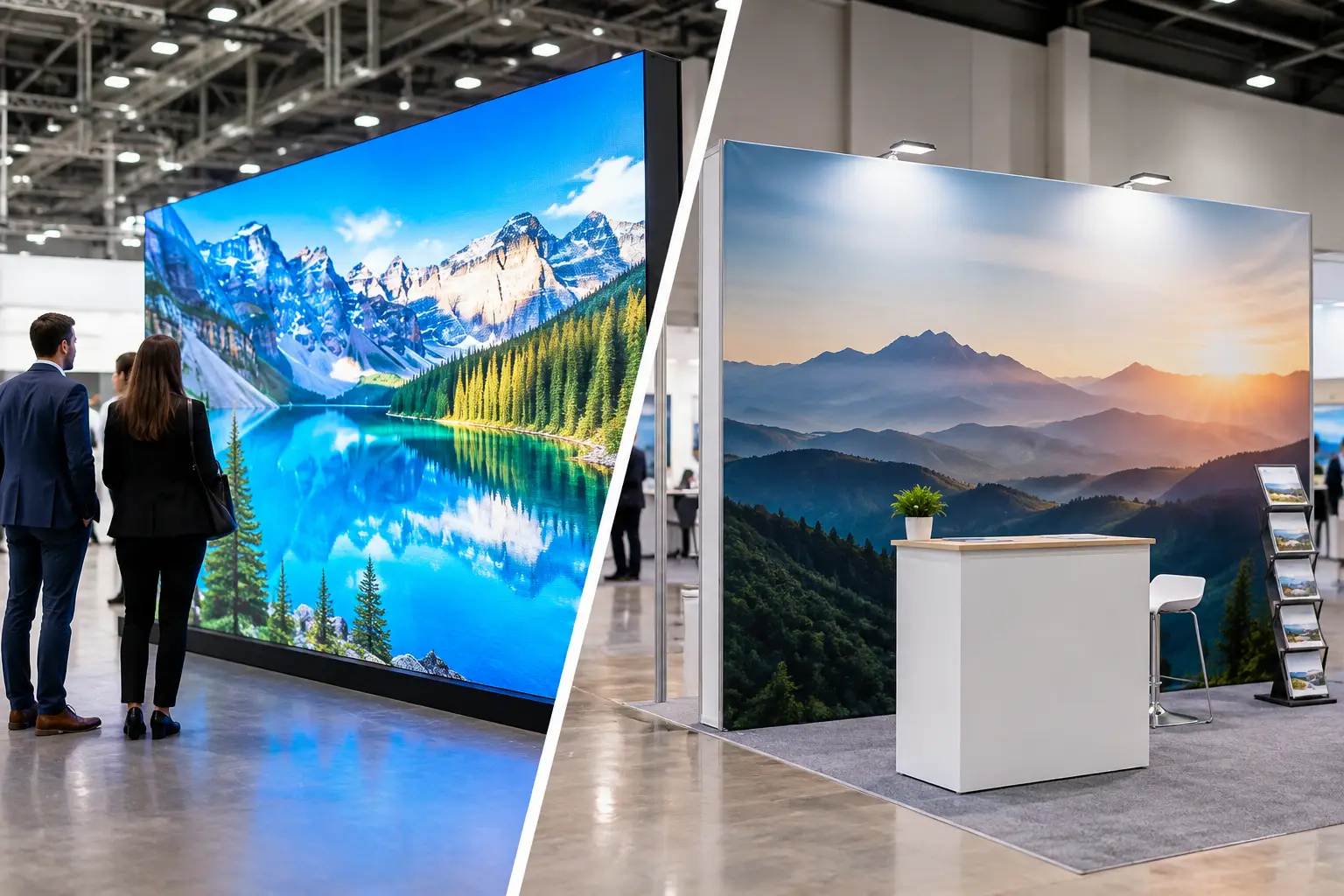



A crowded aisle is not the same as a productive booth. Fair hostess staffing services help turn passing interest into a warm welcome, a relevant conversation, and a qualified next step for your sales team. When the stand, staff, and visitor journey are planned together, hospitality becomes a measurable part of exhibition performance rather than an afterthought.
For marketing managers and event procurement teams, the decision is not simply whether to hire event staff. It is whether the people representing your brand can make the right first impression while supporting the commercial purpose of the show. That requires more than a polished appearance. It requires briefing, language capability, confidence, professionalism, and clear coordination with the booth team.
What Fair Hostess Staffing Services Should Deliver
At a busy trade show, your internal team is often split between meetings, product demonstrations, media requests, and existing customer visits. A capable hostess team protects the front of house. They greet visitors promptly, manage flow, assist with registration or refreshments, and direct people to the right specialist without making the interaction feel transactional.
The strongest teams also understand the difference between a general visitor and a high-value prospect. They do not need to deliver a technical product pitch, but they should know how to ask a few sensible qualifying questions, capture accurate details, and recognize when to bring in sales or subject-matter experts. This is particularly valuable at large industry shows where a missed introduction can mean a missed opportunity.
Their contribution is also operational. Hostesses can support meeting schedules, control access to private discussion areas, manage giveaway distribution, maintain presentation spaces, and help the booth remain composed during peak traffic. For a double-decker stand, a country pavilion, or a large footprint with multiple zones, this structure is essential.
Start With the Visitor Experience, Not the Headcount
A common planning mistake is choosing staffing numbers before defining how visitors will move through the space. A 100-square-meter stand with one product demonstration point needs a different team from a stand of the same size hosting VIP meetings, live presentations, hospitality, and lead capture across several areas.
Begin by mapping the visitor journey. Consider what happens when someone approaches the booth, how they are welcomed, where they are directed, who owns qualification, and how leads are recorded. Then identify the moments where staff support will reduce friction for visitors and pressure on your sales team.
At a product-led technology booth, for example, a hostess may welcome visitors, establish their area of interest, and direct them to the relevant demo station. At an energy or manufacturing show, the role may focus more on appointment management and guiding decision-makers to pre-arranged meetings. At a food, beauty, or FMCG activation, brand presentation, sampling support, and queue management may carry greater weight.
This is why staffing requirements depend on your show objectives. More people are not always better. A smaller, well-briefed team can outperform a large group with vague responsibilities.
How to Build an Effective Staffing Brief
Your staffing partner can only recruit and prepare the right people when the brief is specific. Give the team enough commercial and operational context to represent your business with confidence.
A useful brief should cover four areas:
- Brand and audience: Explain your brand positioning, target visitor profiles, dress expectations, and the tone you want guests to experience.
- Booth activity: Define demonstrations, meetings, hospitality, product launches, presentations, or lead-generation activity happening during the show.
- Role boundaries: Clarify what staff should handle independently and when they must hand over to a salesperson, product expert, or booth manager.
- Practical details: Confirm show hours, break schedules, languages required, access rules, lead-capture tools, emergency contacts, and reporting expectations.
The best briefing materials are practical. Share a concise brand overview, a floor plan, product categories, sample visitor questions, and a simple escalation path. Do not expect event staff to memorize a dense corporate presentation. Give them the information needed to make a confident introduction and move the conversation forward.
Choose for Fit, Not Just Appearance
Professional presentation matters at a premium exhibition, but it should never be the only selection criterion. The staff members on your booth may be the first people a prospect speaks to. Their communication style affects how your company is perceived before a sales conversation even begins.
Look for people who are comfortable initiating conversations, listening attentively, and staying composed under pressure. They should be able to follow a process without sounding scripted. If your show draws an international audience, multilingual capability can be a meaningful advantage, especially in markets such as the UAE, Saudi Arabia, Germany, and the United States.
Industry familiarity can help, but it is not always essential. For highly technical sectors such as pharma, industrial manufacturing, or energy, strong briefing and clear handoff procedures are usually more important than expecting hostesses to answer detailed technical questions. Asking them to go beyond their training can create risk and lead to inconsistent messaging.
The right fit also includes reliability. Confirm attendance procedures, backup arrangements, dress and grooming standards, arrival times, and supervisory responsibility before the show opens. Exhibition days are demanding, and a staffing plan needs enough structure to handle late changes without disrupting the visitor experience.
Training Is Where Brand Control Is Won
A briefing call the night before the show is rarely enough. Your staffing partner should build time for orientation, ideally on-site, so the team can understand the booth layout, meeting areas, product zones, storage locations, and visitor flow.
Training should give every team member a simple, repeatable framework. They need to know how to greet, what opening questions to use, how to identify the appropriate next step, and how to close an interaction politely when the booth is busy. They should also understand what not to say, particularly around pricing, product claims, confidential projects, or commercial commitments.
For international exhibitions, cultural awareness matters as much as the script. Greetings, personal space, language preferences, and hospitality expectations vary by market. A locally informed team can help your brand feel attentive and credible without overstepping professional boundaries.
At LemonTree Exhibitions, staffing is planned as part of the wider booth operation, alongside stand design, visitor flow, installation, and on-site coordination. This integrated approach reduces the gap between what the booth was designed to achieve and what visitors actually experience on the show floor.
Measure the Value Beyond Footfall
Staffing is often treated as a fixed event cost, but it should be assessed against outcomes. Footfall provides context, yet it does not reveal whether your team engaged the right visitors or whether handoffs led to commercial conversations.
Set a few relevant measures before the event. Depending on your objectives, these may include qualified leads captured, meetings checked in, demonstration attendance, average wait time, visitor feedback, or the number of handoffs to sales. Keep the process realistic. If lead capture requires too many fields or too many steps, staff may avoid using it during busy periods.
A short end-of-day review is useful. Ask the booth manager and hostess lead where traffic built up, which questions repeated, whether certain visitor groups needed more support, and whether meeting or demo schedules need adjustment. Small changes made on day two can have a larger impact than a perfect plan left unchanged.
Avoid the Common Gaps
The most frequent problem is unclear ownership. If no one knows who is responsible for greeting, qualifying, meeting check-in, or lead capture, visitors experience delays and staff duplicate effort. Assign each role clearly, including who covers breaks and who has authority to make decisions on the floor.
Another gap is treating staffing separately from booth design. A visually ambitious stand can still underperform if there is no clear welcome point, no private area for meaningful conversations, or no visible route from greeting to demonstration. Staffing and spatial design should support the same visitor journey.
Finally, avoid overloading event staff with unrelated tasks. Asking a hostess to greet, scan leads, serve refreshments, manage inventory, run a presentation, and answer technical questions creates a weak experience across every task. Prioritize the actions that matter most to your exhibition goals.
The right people, well prepared and positioned with purpose, make your booth feel responsive from the first visitor to the final meeting. Give them a clear role in your exhibition plan, and they can help your sales team spend more time where it matters most: building valuable business conversations.