

A great booth can pull serious traffic at GITEX, Gulfood, or ADIPEC. A poorly managed one can drain budget, create last-minute stress, and leave your team explaining delays instead of meeting buyers. That is why choosing the right exhibition contractor Dubai is not a design decision alone. It is an execution decision with direct impact on brand perception, lead quality, and show-day performance.
Dubai is one of the most competitive exhibition markets in the region. Venues are busy, timelines are tight, and exhibitor expectations are high. If you are a marketing manager, procurement lead, or business owner planning a trade show presence, you need a contractor who can think creatively and operate with discipline.
Why the right exhibition contractor in Dubai matters
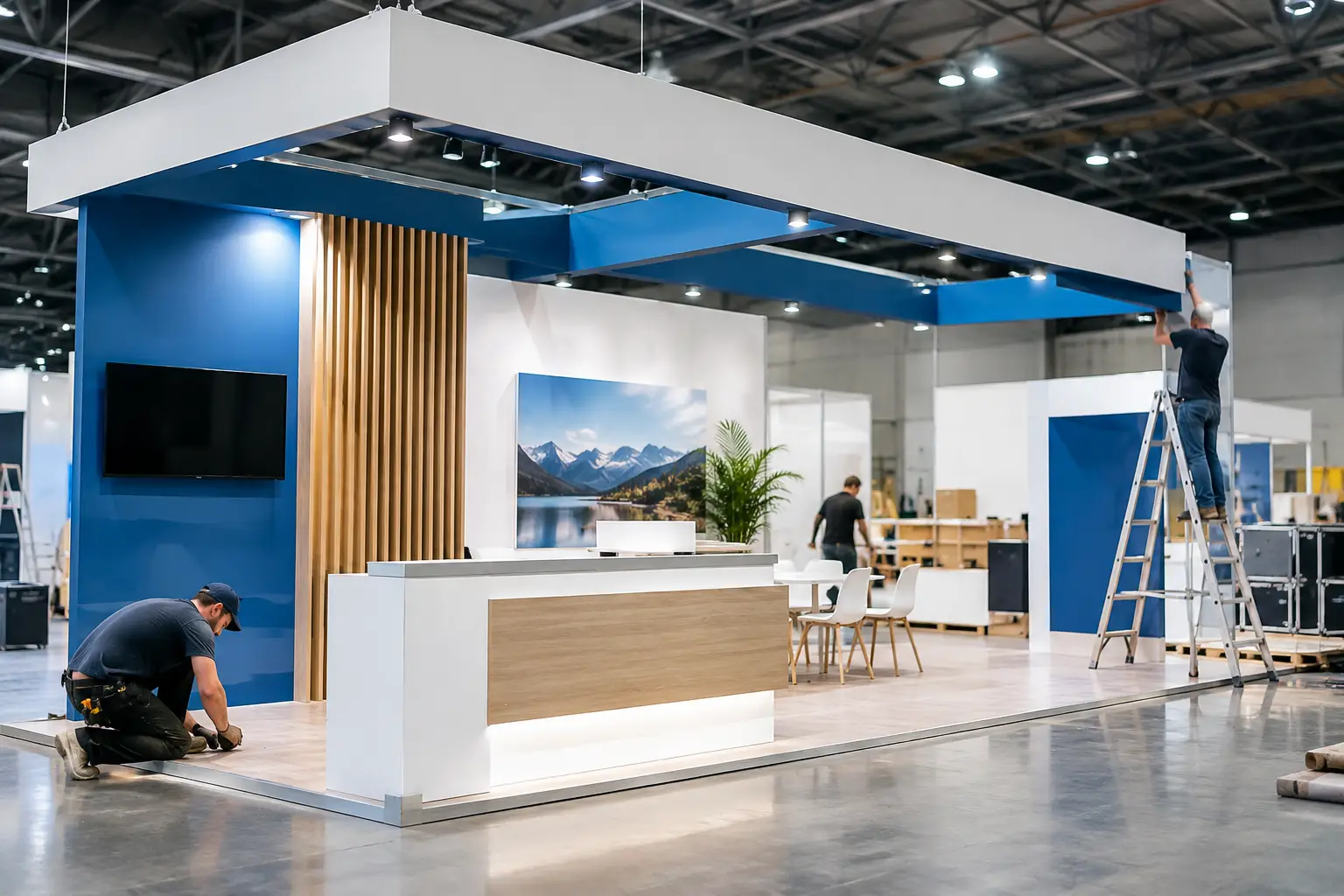
At first glance, many contractors can appear similar. Most will promise custom design, fabrication, and installation. The difference shows up when approvals are delayed, venue rules tighten, graphics arrive late, or a double decker structure needs precise coordination. This is where experience and in-house control start to matter.
A strong contractor does more than build a booth. They help translate business goals into a physical environment that attracts the right visitors, supports sales conversations, and gets delivered on time. That includes understanding visitor flow, storage needs, product display priorities, AV integration, meeting spaces, and the practical realities of setup windows.
In Dubai, that practical side is especially important. Major exhibitions run on strict organizer deadlines, technical guidelines, and venue compliance standards. If your contractor is weak on project management, even a good design can become a problem.
What to look for in an exhibition contractor Dubai
The first thing to assess is whether the contractor handles work in-house or outsources most of it. Outsourcing is not automatically bad, but it does create more handoffs, more room for miscommunication, and less direct control over quality and timing. An in-house design studio and fabrication workshop usually mean better coordination, faster adjustments, and tighter cost control.
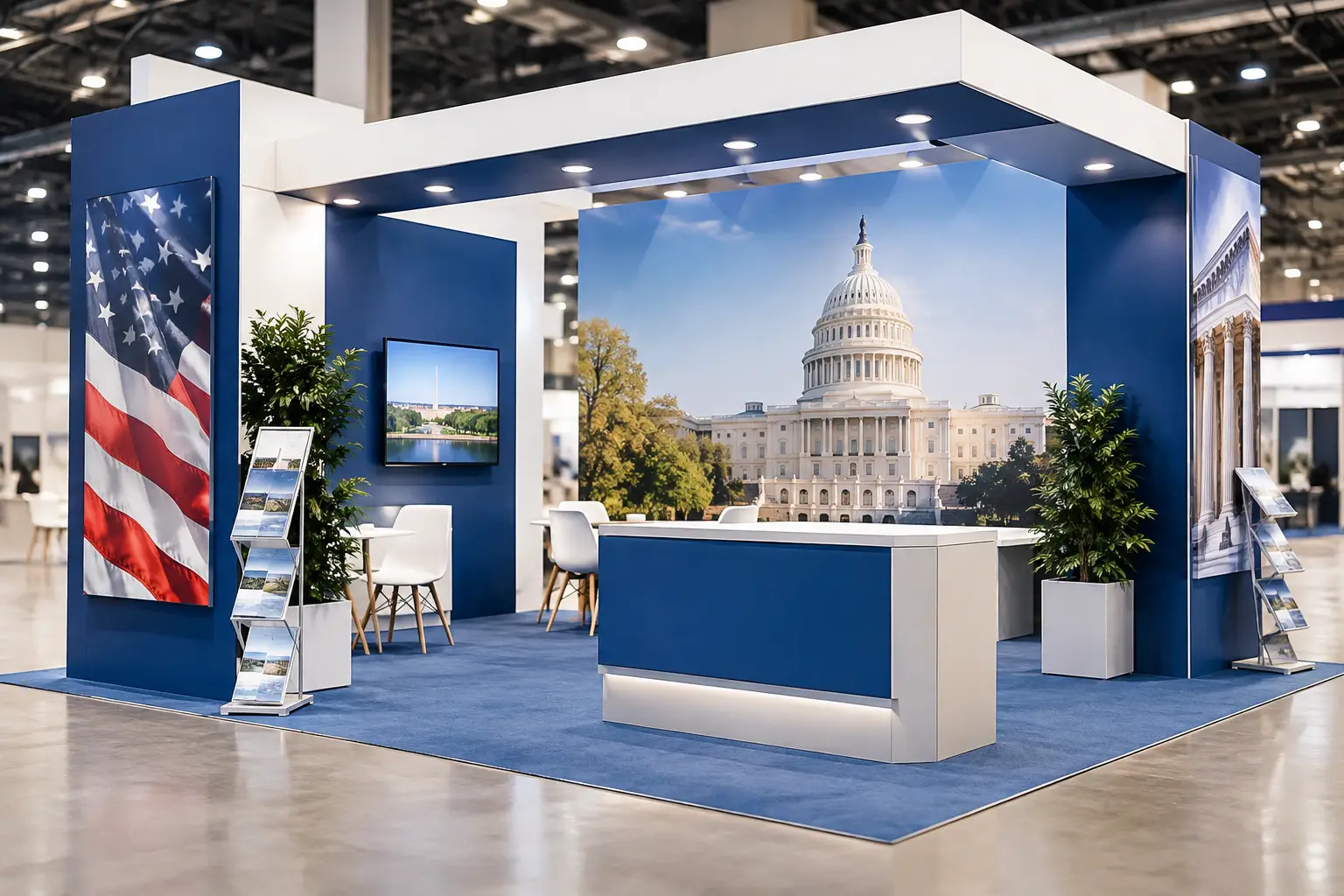
You should also look at the contractor’s portfolio with a practical eye. Do they only show visually attractive stands, or do they demonstrate range? A capable partner should be able to deliver custom-built stands, larger footprints, compact premium booths, double decker structures, and country pavilions if needed. Range matters because different shows and budgets demand different solutions.
Another useful signal is event familiarity. A contractor who regularly builds at major regional exhibitions understands common organizer processes, build schedules, technical limitations, and site conditions. That lowers risk. It also saves your internal team time because fewer basics need to be explained.
Responsiveness matters more than many buyers expect. Before the contract is signed, pay attention to how the team handles revisions, questions, and timelines. If communication is vague during the sales stage, it rarely improves once production starts.
Design is important, but build discipline matters more
Most exhibitors want a booth that feels bold, current, and aligned with the brand. That is fair. A stand should stand out. But visual ambition has to be matched with build discipline.
A design that looks impressive in a 3D render may still fail on the show floor if sightlines are blocked, branding is poorly placed, lighting is flat, or meeting areas feel cramped. The best contractors design with construction, visitor behavior, and operational use in mind from the start.
That is especially important for companies exhibiting complex products or serving multiple audiences. A pharma brand may need privacy and compliance-conscious messaging. A manufacturing company may need heavy product display zones and strong power planning. A technology exhibitor may need LED walls, demo counters, and managed cable routing that keeps the space clean. Good design solves these needs without making the booth feel cluttered.
Budget conversations should be transparent early
One of the fastest ways a project goes off track is when the budget discussion happens too late or stays too vague. An experienced exhibition contractor will ask the right questions early – stand size, event location, custom build level, reuse plans, technology integration, hospitality requirements, and meeting objectives.
This matters because booth costs are shaped by more than square footage. Height, materials, finish quality, storage, rigging, screens, furniture, logistics, labor, and show services all affect the final number. A low initial quote can look attractive, but if it excludes key execution elements, the real cost appears later.
Serious exhibitors should ask where money is being spent and where value can be optimized. Sometimes a smarter layout delivers more impact than a larger structure. Sometimes a modular approach helps if you exhibit across multiple cities. Sometimes the best return comes from fewer decorative features and more usable meeting space. The right partner will guide that conversation honestly.
Timelines separate dependable contractors from risky ones
Trade shows do not wait for delayed approvals or fabrication mistakes. If your event date is fixed, your contractor’s planning process needs to be equally firm.
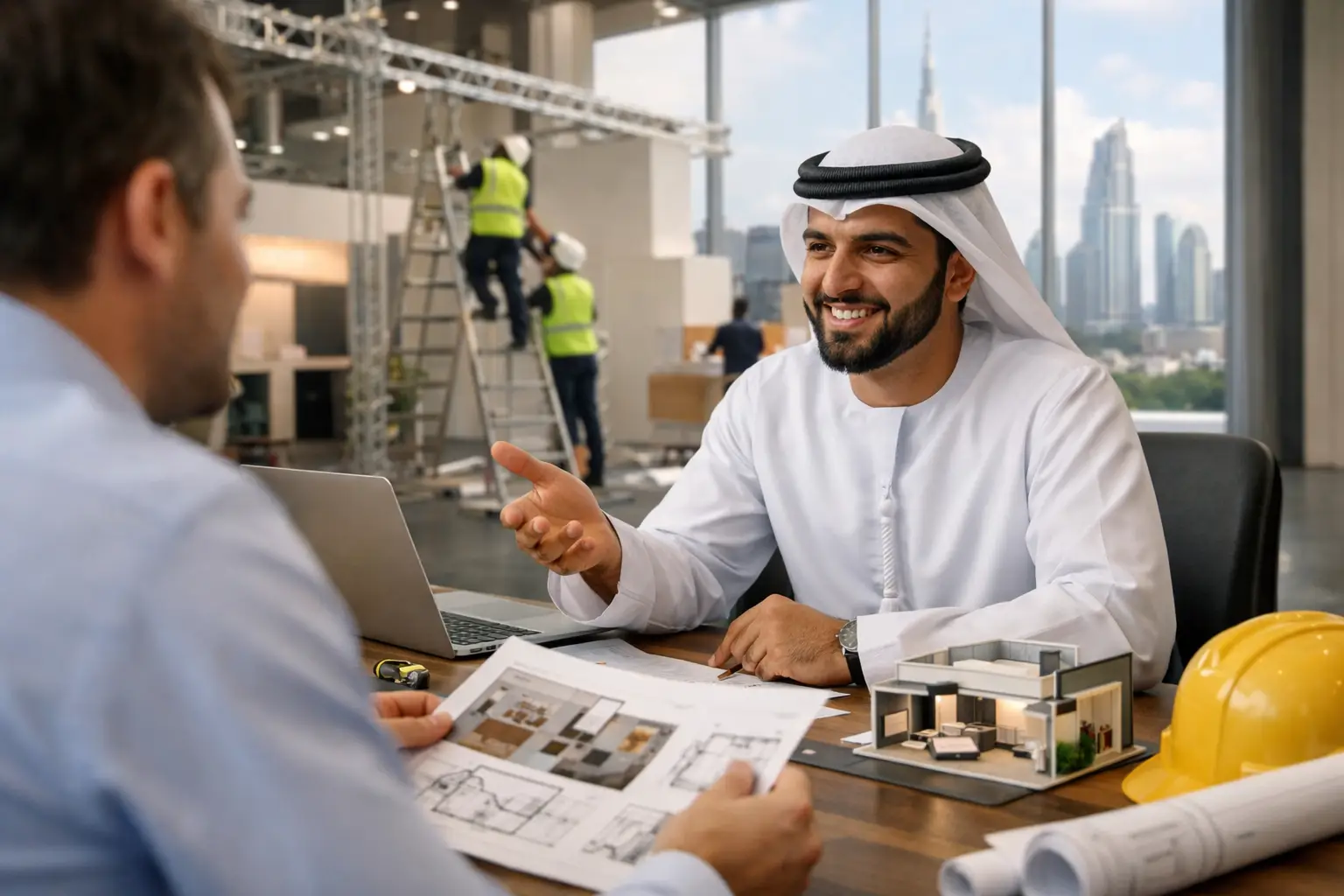
Ask how the project is managed from concept to dismantling. You want clarity on design timelines, revision rounds, production milestones, graphic deadlines, logistics planning, site installation, and on-site supervision. A dependable contractor will have a clear workflow and named points of contact.
This is where operational maturity becomes visible. Teams that deliver hundreds of projects every year tend to plan differently from those that treat every build as improvised. They anticipate venue paperwork, supplier coordination, transport timing, and backup planning. That consistency is often what protects your show presence when the schedule tightens.
Choosing for scale: small booth, large stand, or pavilion
Not every exhibitor needs the same type of contractor support. A startup launching at a trade fair may need a compact premium booth that looks established without overspending. A multinational exhibitor may need a large custom environment with hospitality, private meeting rooms, and integrated media. A trade body or government delegation may need a country pavilion with multiple co-exhibitors and shared identity guidelines.
The key is to choose a contractor whose systems fit your scale. Some firms are strong in smaller shell scheme upgrades but struggle with complex custom builds. Others are excellent at large-format projects but less efficient for budget-sensitive booths. The best partner is not always the cheapest or the biggest. It is the one equipped for your exact brief.
For companies exhibiting across regions, another advantage is working with a contractor that can support more than one market. If your brand shows in Dubai, Riyadh, Mumbai, or even Las Vegas and Chicago, consistency in design standards and execution can make planning easier and brand presentation stronger.
Questions worth asking before you appoint a contractor
The right questions reveal more than a polished pitch deck ever will. Ask who handles design, fabrication, logistics, and site management. Ask whether materials can be reused or repurposed across events. Ask how changes are managed once production begins. Ask what happens if a venue issue comes up during setup.
You should also ask to see work relevant to your industry, not just the contractor’s most dramatic builds. A booth for energy, real estate, FMCG, or industrial manufacturing has different practical demands. The more closely a contractor understands your sector, the faster they can align the booth with how your buyers actually engage.
If sustainability is part of your procurement criteria, discuss that early too. Reused structures, recyclable materials, and smarter fabrication choices can support sustainability goals without making the booth feel compromised.
What a strong contractor relationship looks like
A good contractor takes instructions. A strong contractor improves the brief.
That means pushing back when an idea will not work on-site, suggesting more efficient alternatives, and helping your team make trade-offs with confidence. It also means staying responsive under pressure, because exhibition projects often involve moving parts from multiple stakeholders – marketing, procurement, sales leadership, product teams, and regional offices.
The best relationships feel commercially grounded. You know what is being built, when it will be delivered, who is responsible, and how issues will be handled. There is creative ambition, but there is also control.
That balance is what many exhibitors are really buying. Not just a booth, but reduced risk, stronger presence, and a partner who can turn plans into a finished environment without unnecessary drama. That is why experienced exhibitors often choose firms with in-house capabilities, broad event exposure, and a track record across sectors and geographies. It is also why companies such as LemonTree Exhibitions have built long-term client relationships around both design quality and execution reliability.
When you are choosing your next contractor, look past the render and study the operating model behind it. The booth your audience sees for a few days is supported by weeks of planning, production, coordination, and problem-solving. Pick the team that treats all of it with the same level of care.