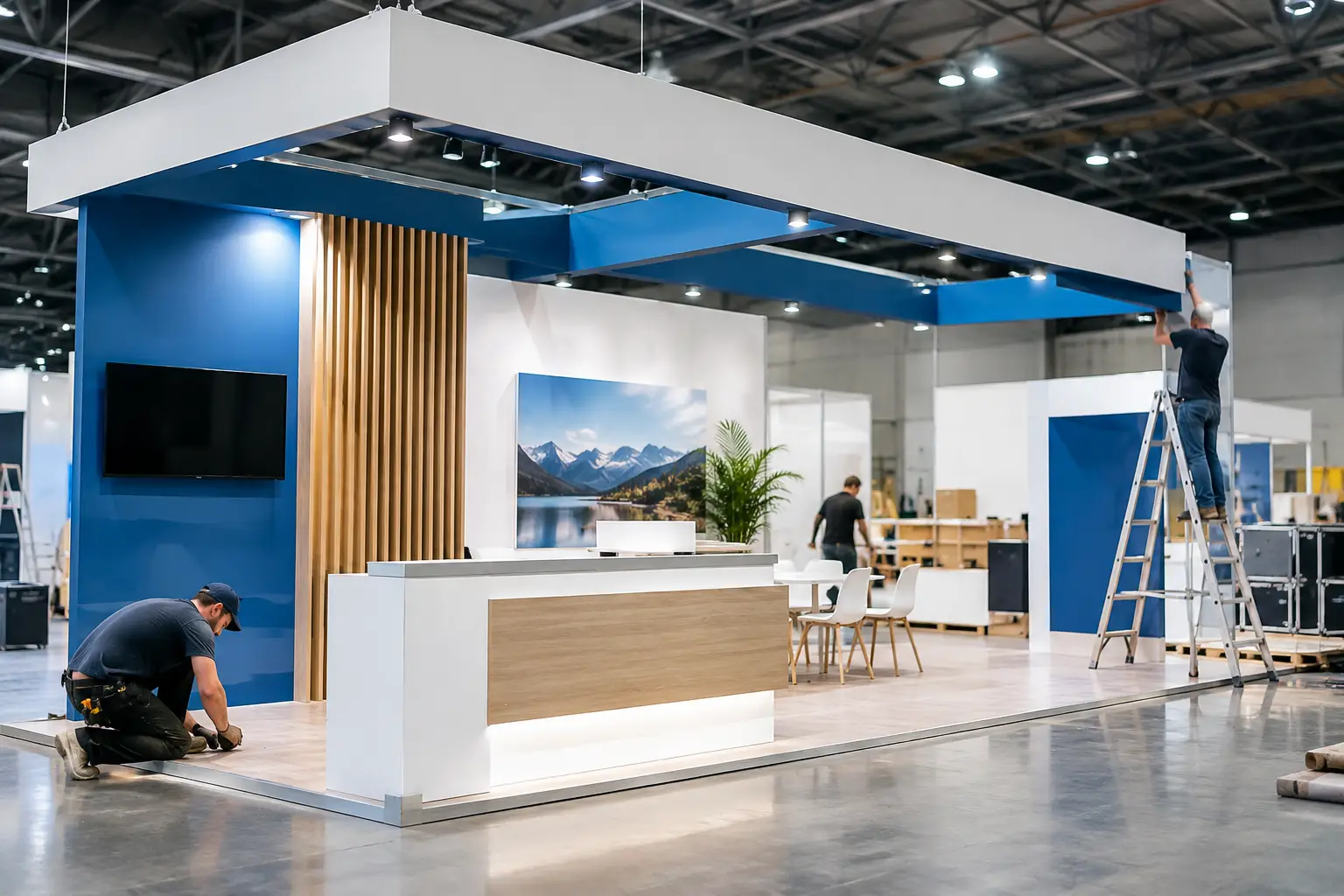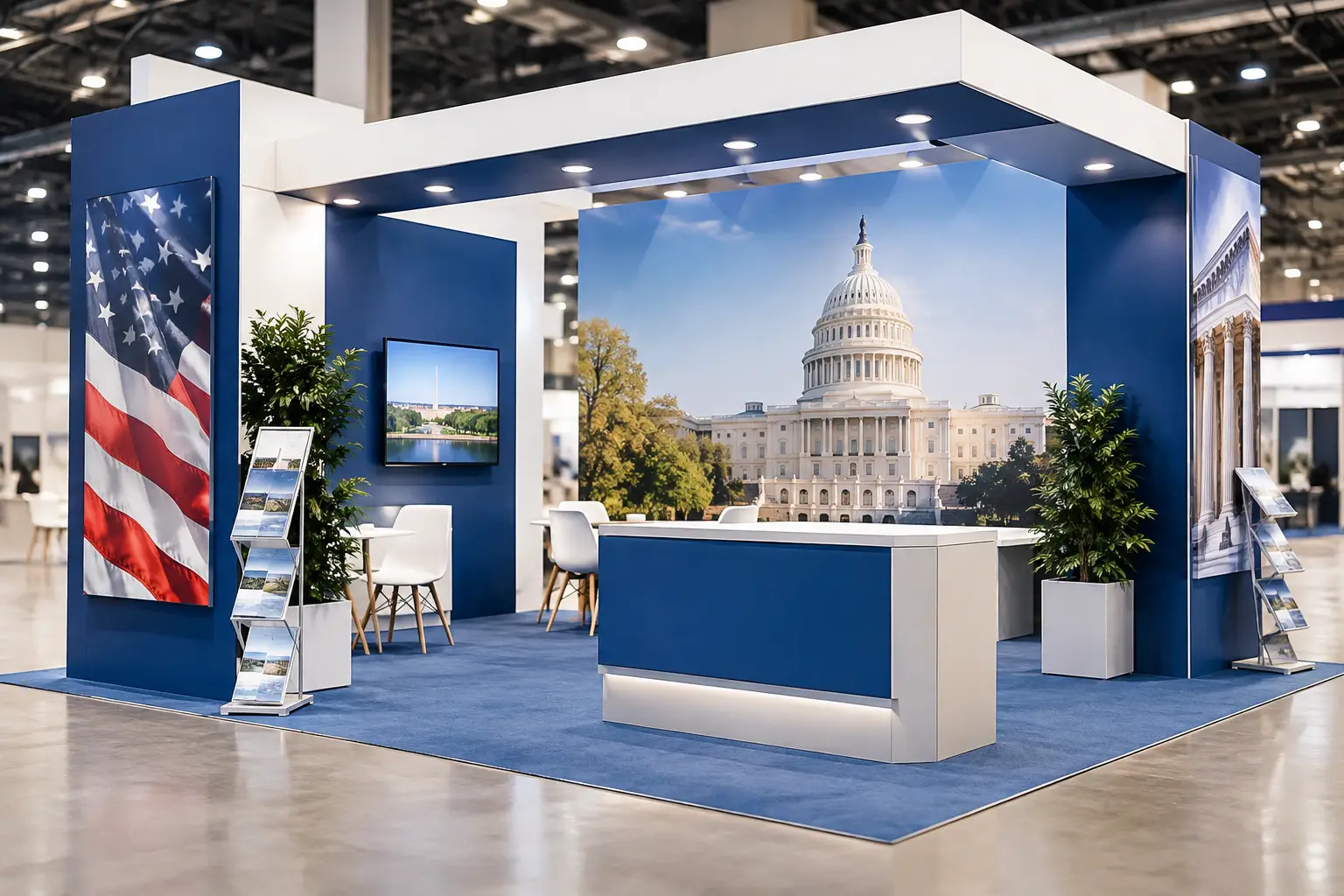

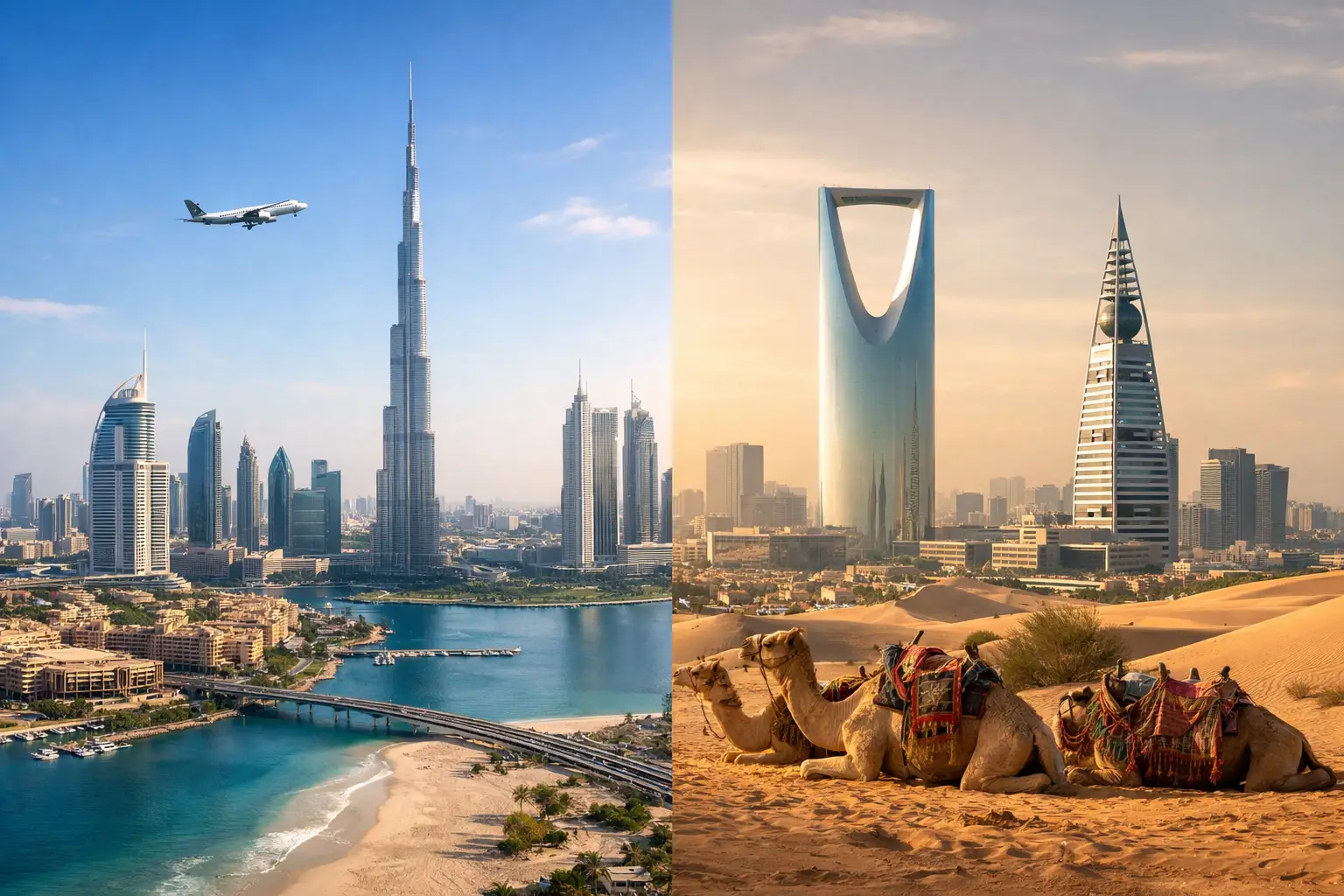

A construction exhibition can put your brand in front of serious buyers, project stakeholders, distributors, and specification influencers in a matter of days. But Big 5 | Dubai and Saudi Arabia are not interchangeable opportunities. They serve connected construction markets, yet the audience mix, project context, travel patterns, and stand strategy can lead to very different returns.
For marketing managers, exporters, and procurement teams, the question is rarely whether visibility matters. It is where that visibility will create the strongest commercial momentum. The right choice starts with your sales priorities, then translates into a stand experience designed to support them.
Big 5 Dubai and Saudi Arabia: Two Different Market Plays
Big 5 in Dubai has long been a major meeting point for the wider construction supply chain. It is particularly valuable for businesses looking to meet a broad international audience across the Gulf, Africa, South Asia, and other export markets. The show can work well when your objective is distributor development, regional brand awareness, or high-volume meetings with visitors representing multiple countries.
Saudi Arabia’s construction exhibitions, including Big 5 Construct Saudi, sit closer to the Kingdom’s active development cycle. The market is shaped by major infrastructure programs, hospitality development, residential growth, industrial expansion, and large-scale destination projects. For companies pursuing Saudi-based contractors, developers, consultants, government entities, or local partnerships, exhibiting in Riyadh can create more focused market access.
Neither event is automatically the better investment. Dubai generally offers breadth. Saudi Arabia often offers depth for businesses with a clear plan to sell, partner, or establish a stronger presence in the Kingdom.
Start With the Commercial Outcome, Not the Floor Plan
The most expensive exhibition mistake is approving a stand before defining what success should look like. A visually impressive booth cannot compensate for vague objectives, an unqualified visitor strategy, or a sales team without a follow-up process.
At Big 5 Dubai, success might mean meeting distributors from several target territories, demonstrating product range to international buyers, or using the show as a regional launch platform. Your stand should make those conversations easy. This may call for prominent product displays, multilingual messaging, a fast lead-capture flow, and an open layout that can handle steady traffic.
At Big 5 Construct Saudi, the goal may be more account-specific. If you are seeking project inclusion, local supplier relationships, or conversations with Saudi decision-makers, a more consultative stand format can be effective. Private meeting areas, material samples, technical presentations, and clearly assigned sales specialists can support longer, more commercially meaningful discussions.
The distinction matters because a stand should be built around behavior. A busy, open demonstration area is useful when you expect high visitor throughput. A hospitality-led meeting space is more valuable when your team is pursuing a smaller number of high-value prospects.
How the Audience Shapes Your Stand Design
Construction buyers need to understand what makes a product credible. They are assessing performance, availability, compliance, service support, installation requirements, and total project value. A stand should answer these questions before the conversation becomes technical.
For Dubai, brands with a large product catalog often benefit from a clear zoning strategy. Visitors should be able to identify product families quickly, understand the application, and find the right specialist without feeling lost in a crowded display. LED video walls can show installation environments, product testing, or large completed projects without consuming valuable floor space.
For Saudi Arabia, local relevance deserves greater emphasis. That does not mean adding generic regional graphics. It means showing evidence that your business understands the market: project experience, service capability, delivery capacity, approved product pathways, or partnership readiness. If a buyer asks how quickly materials can reach a site or who will support installation, the stand team should have a confident, direct answer.
In both markets, physical samples remain powerful. Construction products are often evaluated by touch, finish, weight, assembly, and perceived quality. Digital content supports the sale, but it should not hide the product behind a screen.
Build for conversations, not just photographs
A bold visual concept helps attract attention, especially in competitive exhibition halls. However, an overbuilt stand with poor sightlines, limited storage, or insufficient meeting space can work against the sales team. The best designs balance brand impact with practical use.
For stands below 100 square meters, a strong central product story, visible branding from key aisles, and one well-designed meeting zone may be more effective than trying to display everything. Larger spaces create room for separate product zones, live demonstrations, enclosed meetings, and hospitality. Double-decker stands can add real value when the exhibitor needs more private meeting capacity without sacrificing an open ground-floor presence, but they require careful planning, approvals, and a budget that supports the format.
Budget for the Full Exhibition, Not Only the Structure
The stand build is a major line item, but it is not the entire exhibition investment. Space rental, event services, graphics, furniture, staffing, shipping, travel, product samples, lead technology, and contingency costs all affect the final number.
Dubai may be operationally efficient for companies already using it as a regional hub, particularly when teams and inventory are nearby. Saudi Arabia can require more detailed logistics coordination depending on where products, staff, and display materials originate. That added planning is worthwhile when Saudi market access is central to the sales strategy, but it should be accounted for from the first budget discussion.
Reusable components can help when a brand exhibits across multiple events. A modular backbone, adaptable product plinths, durable meeting furniture, and changeable graphics can reduce waste while preserving a premium look. The trade-off is that a reusable system must still feel specific to the event and brand. Repetition is efficient; a stand that looks recycled in the wrong way is not.
A dependable exhibition partner should provide clarity on scope early. This includes the design concept, fabrication, venue requirements, transportation, installation, dismantling, storage, and any elements that fall outside the build quote. Transparent planning protects both budget control and on-site execution.
Timing Matters More Than Most Teams Expect
For either event, the work should begin well before the show opens. A late start limits creative options, makes approvals more stressful, and can increase production pressure. It also leaves less time to prepare the people who will represent your brand.
Begin by identifying target accounts and the reason each account should visit. Then decide what the stand must accomplish for them. A contractor may need a quick product demonstration. A developer may want a private conversation about long-term capability. A distributor may want proof that marketing, training, and supply support are available after the show.
Your pre-show outreach should reflect those different needs. Invite key prospects to specific time slots where appropriate, but leave room for walk-in traffic. On the stand, qualify leads consistently. Recording a name and email is not enough. Capture the project type, timeline, decision role, product interest, next step, and owner of the follow-up.
The post-show window is where exhibition value is either protected or lost. Hot leads should receive relevant outreach quickly, while longer-term prospects need a defined nurture path. Teams that treat the event as a three-day activity often struggle to prove ROI. Teams that plan the follow-up before installation begins are more likely to turn conversations into pipeline.
When It Makes Sense to Exhibit at Both
For some companies, choosing between Dubai and Saudi Arabia is the wrong frame. Exhibiting at both can be justified when Dubai supports regional reach and Saudi Arabia is a priority growth market. The key is avoiding a copy-and-paste approach.
Use Dubai to tell the broad brand story and create international commercial opportunities. Use Saudi Arabia to demonstrate local commitment, sector relevance, and the ability to support projects in the Kingdom. The stand may share a visual identity, but the messaging, meeting plan, product focus, and staffing should reflect each event’s purpose.
This is where end-to-end execution becomes valuable. LemonTree Exhibitions manages design, fabrication, logistics, installation, and dismantling in-house, allowing brands to maintain consistent quality while adapting the stand strategy for different markets. That control is especially useful when timelines are tight and the smallest execution detail can affect how a brand is perceived.
The strongest Big 5 presence is not necessarily the largest or most elaborate one. It is the one that gives the right visitors a clear reason to stop, a credible reason to trust you, and an easy path to continue the conversation after the hall closes.