

You can spot the difference before you read a single brand message. One exhibitor has a neat, functional booth with standard wall panels and basic lighting. Another has a fully branded environment that pulls people in from the aisle. That contrast usually comes down to one decision: shell scheme vs space only.
If you are planning a trade show presence, this choice affects more than how your booth looks. It shapes your budget, timeline, visitor experience, and the kind of commercial impact you can realistically expect from the event. The right format depends on your goals, the venue rules, your team’s resources, and how hard you need your stand to work.
Shell scheme vs space only: the basic difference
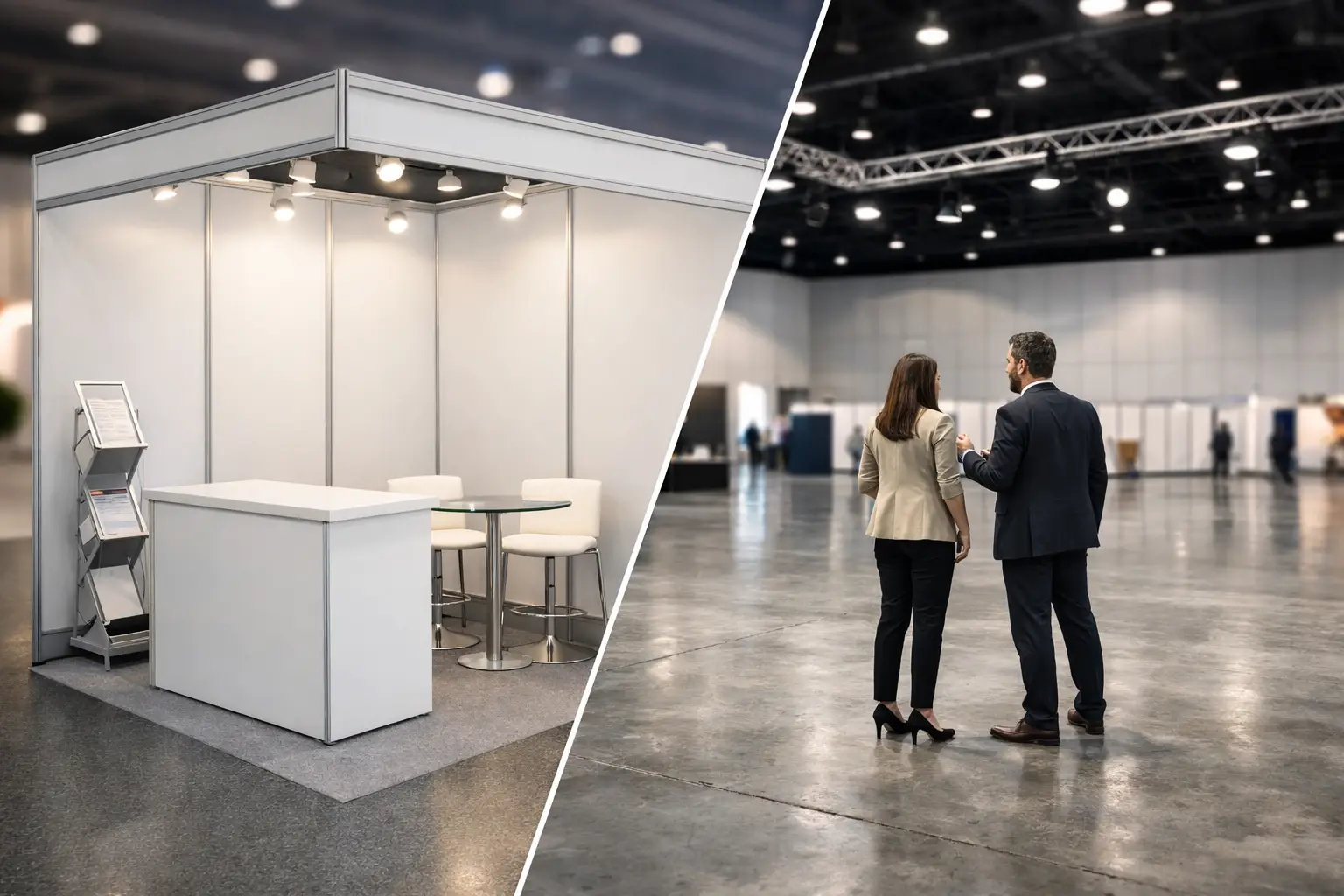
A shell scheme is a ready-built exhibition structure provided by the organizer or venue contractor. It usually includes modular wall panels, carpet, fascia signage, and basic lighting. In some events, power and a standard furniture package may be available as add-ons or included in a higher-tier package.
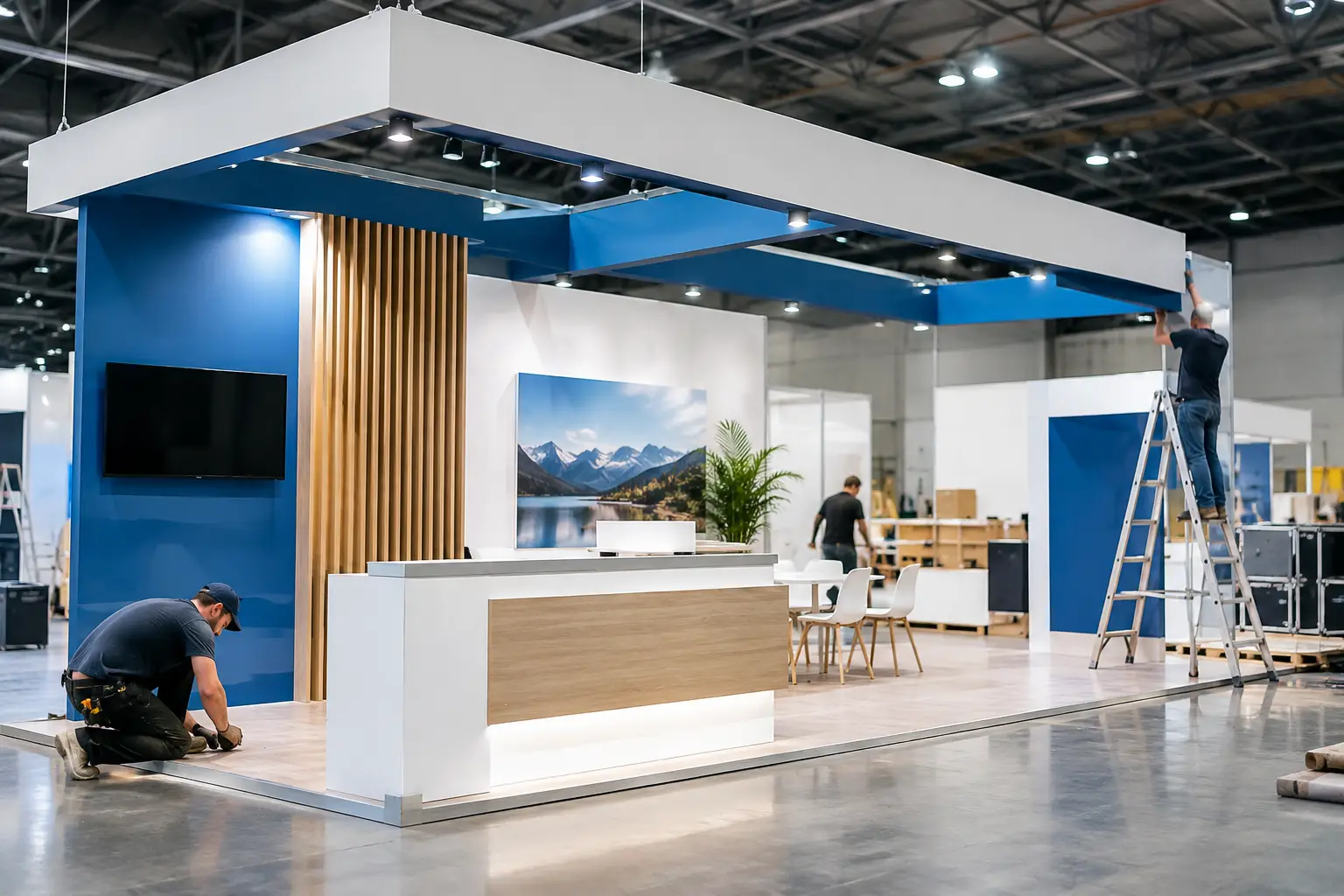
A space only stand is exactly what it sounds like. You are buying empty floor space and building everything else from scratch. That gives you far more design freedom, but it also means you are responsible for the stand concept, technical drawings, approvals, fabrication, installation, and every finish your visitors will see.
On paper, the choice looks simple. In practice, it is a commercial decision about visibility, control, and return on investment.
When a shell scheme makes sense
For many exhibitors, especially first-time participants or teams attending smaller industry events, a shell scheme is a sensible starting point. It gives you a usable presence without the complexity of a custom build. If your goal is to meet existing clients, test a new market, or maintain visibility at a lower cost, this format can do the job well.
It also reduces operational pressure. There are fewer design decisions, fewer technical approvals, and less production coordination. For lean marketing teams or procurement-led projects with tight internal timelines, that simplicity matters.
Shell scheme booths tend to work best when the event itself drives strong visitor traffic and when your objectives are straightforward. If your sales team mainly needs a branded base for meetings and lead capture, a well-dressed shell scheme can be effective.
That said, standard does not have to mean forgettable. Good graphics, strong messaging, clean product display, and smart lighting can improve a shell scheme significantly. But there is a ceiling. You are still working within a predefined structure that many other exhibitors are using.
Where shell scheme starts to limit you
The biggest limitation is brand expression. A shell scheme rarely gives you enough freedom to create a memorable environment. You may have branded graphics, but the structure itself is generic. If neighboring exhibitors use the same format, differentiation becomes much harder.
There are also practical constraints. Wall heights are fixed. Storage is limited. Product demonstration areas can feel cramped. Integrating LED screens, meeting zones, suspended branding, or immersive display features is often restricted or visually awkward.
This matters more in competitive exhibitions like technology, construction, energy, food, and industrial trade shows, where buyers are comparing multiple suppliers in the same aisle. If your competitors are investing in stronger presentation, a shell scheme can make your brand feel smaller than it is.
Why brands choose space only
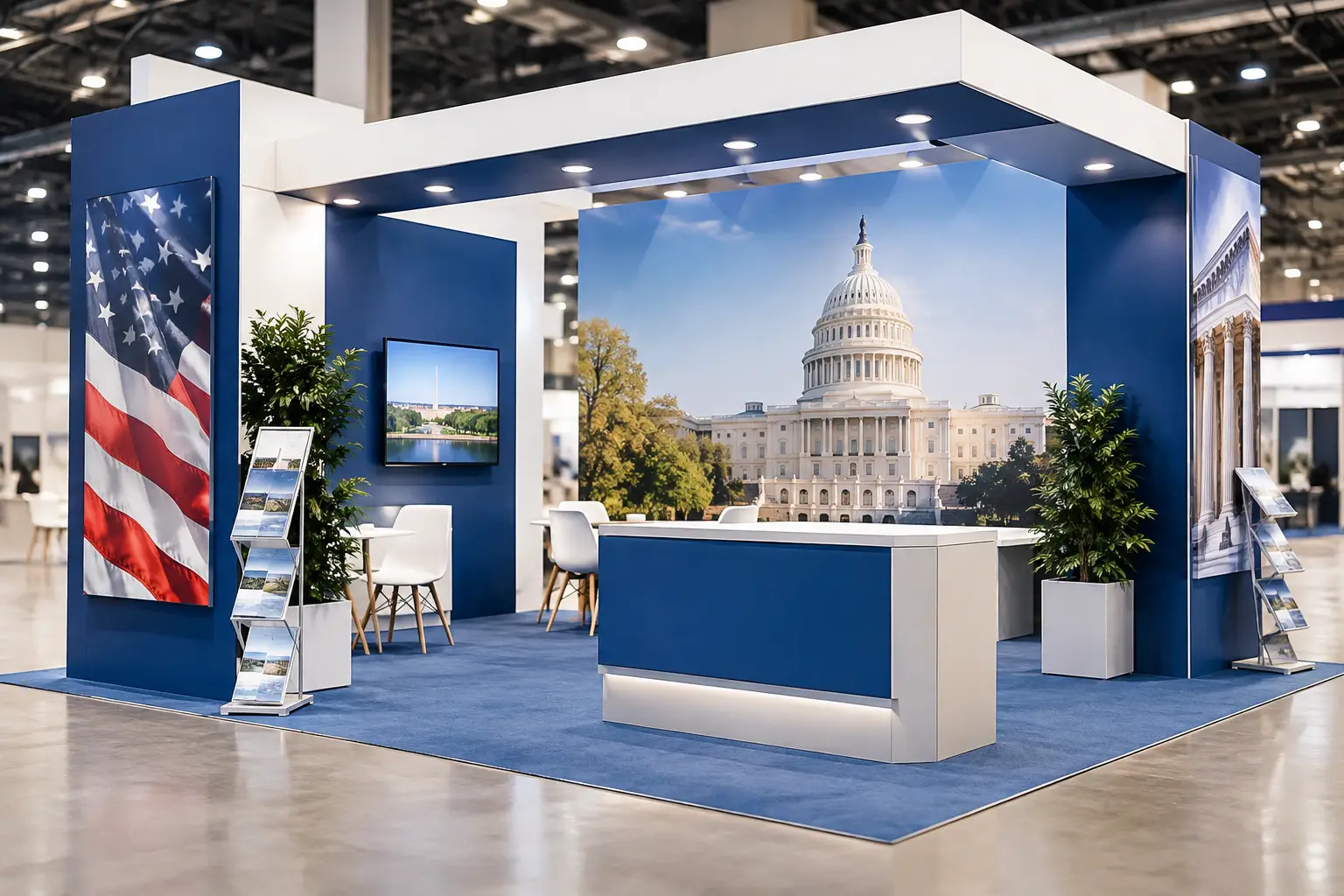
A space only stand gives you control. You can shape the booth around your objectives instead of squeezing your objectives into a standard booth package. That means you can build for live demos, private meetings, product launches, hospitality, lead generation, or premium brand positioning.
This flexibility is what makes space only the preferred route for exhibitors who want stronger visibility and more strategic use of the floor plan. You can open up the stand from multiple sides, create height, improve visitor flow, add AV, build storage into the design, and make your branding visible from a distance.
For companies showing at major exhibitions such as GITEX, Gulfood, ADIPEC, Big 5, or large international expos in markets like Las Vegas or Germany, this difference is often decisive. In those environments, your booth is not just a place to stand. It is a business tool competing for attention every minute.
A well-designed space only booth can also support better team performance. Sales conversations feel more focused when there is a clear meeting area. Product stories land better when display zones are planned properly. Visitors stay longer when the space feels intentional rather than improvised.
The trade-off with space only
More freedom comes with more responsibility. Space only stands require deeper planning, tighter coordination, and a clearer budget from the start. Design development, fabrication, graphics production, venue compliance, logistics, installation, and dismantling all need to be managed carefully.
This does not mean space only is risky. It means the quality of execution depends heavily on the partner delivering it. A capable stand builder will control the process, manage approvals, and keep the project on schedule. A weak one can turn flexibility into stress very quickly.
Budget is the other major factor. Space only generally costs more than a shell scheme because you are building a custom environment rather than renting a basic structure. But the smarter question is not whether it costs more. It is whether the additional impact supports your event goals.
If you are launching a major product, meeting key distributors, hosting international buyers, or trying to stand out in a high-value category, the higher spend can be justified. If your event objectives are limited and the audience is niche, a shell scheme may deliver better efficiency.
Shell scheme vs space only: budget is not the whole story
A lot of exhibitors frame this decision as cheap versus expensive. That is too narrow.
A shell scheme can be more economical upfront, but it may underperform if the event is highly competitive and your brand needs to project scale or innovation. A space only stand costs more, but if it attracts stronger traffic, improves meeting quality, and increases lead value, the return can outweigh the higher setup cost.
This is why the best budgeting conversations start with outcomes. How many qualified leads do you need? Are you trying to impress existing clients, recruit channel partners, or secure media attention? Do you need hospitality space for serious commercial conversations? Once those answers are clear, the format becomes easier to evaluate.
How to decide what fits your event goals
Start with the role the exhibition plays in your sales and marketing plan. If the event is exploratory, a shell scheme may be enough. If it is strategically important, your stand should reflect that.
Next, look at the audience and competitive environment. At a local or highly specialized event with modest booth builds across the floor, shell scheme can be perfectly reasonable. At a flagship industry show where major brands invest heavily in presentation, a standard setup can weaken your presence.
Then consider what needs to happen inside the booth. If you only need a branded counter, brochure display, and room for a few conversations, shell scheme is practical. If you need product displays, a hospitality counter, enclosed meetings, storage, integrated screens, or strong architecture, space only is usually the better fit.
Finally, be honest about internal bandwidth. A custom booth requires planning discipline. If your team is already stretched, working with an experienced full-service partner becomes even more important. That is often where companies gain the most value – not just from design, but from execution control.
A practical rule of thumb
Choose shell scheme when speed, simplicity, and budget control matter most, and when the event does not demand a big visual statement.
Choose space only when brand impact, functionality, and competitive differentiation matter most, and when the exhibition is important enough to justify a tailored environment.
There is also a middle ground. Some exhibitors start with a shell scheme and enhance it with custom graphics, better furniture, lighting upgrades, and focused messaging. Others invest in space only for flagship events and use shell schemes for secondary shows. That is often the most commercially sensible mix.
At LemonTree Exhibitions, we see this decision work best when it is tied to business intent, not just booth size or organizer package options. The stand format should support the result you want from the show.
The smartest exhibitors do not ask which option is better in general. They ask which option gives their brand the best chance to be remembered, trusted, and chosen at this event, by this audience, with this budget. That is usually where the right answer becomes clear.