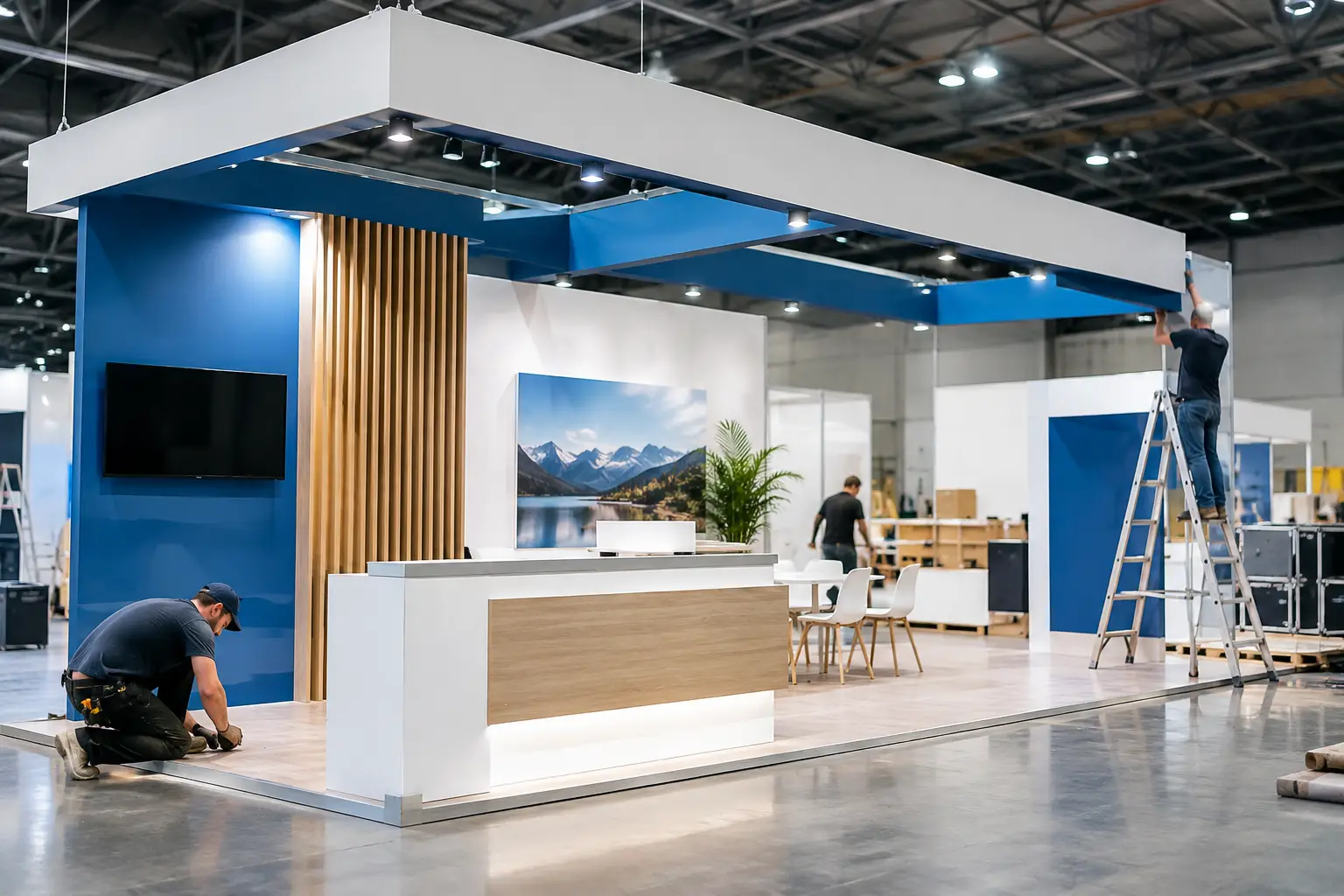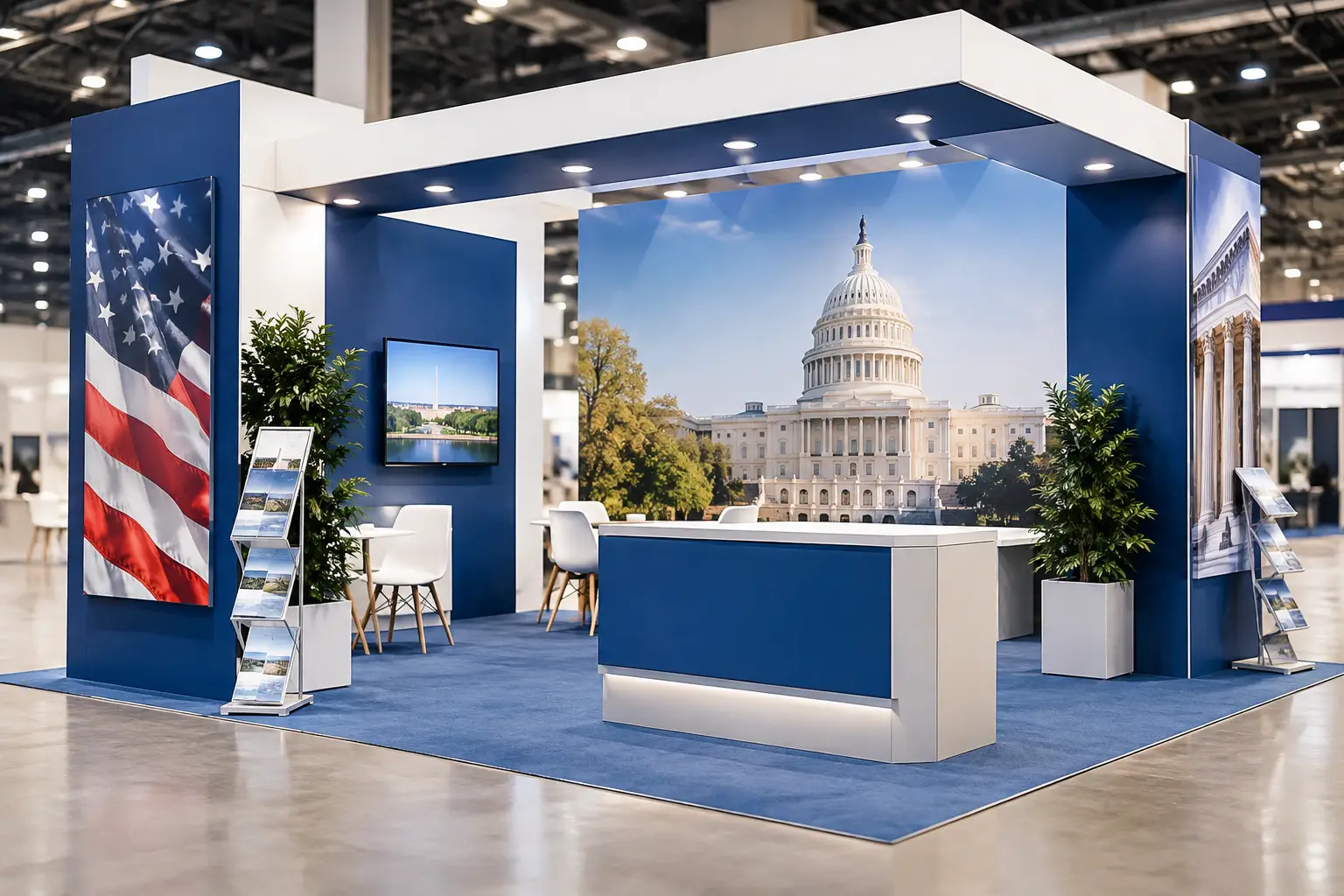

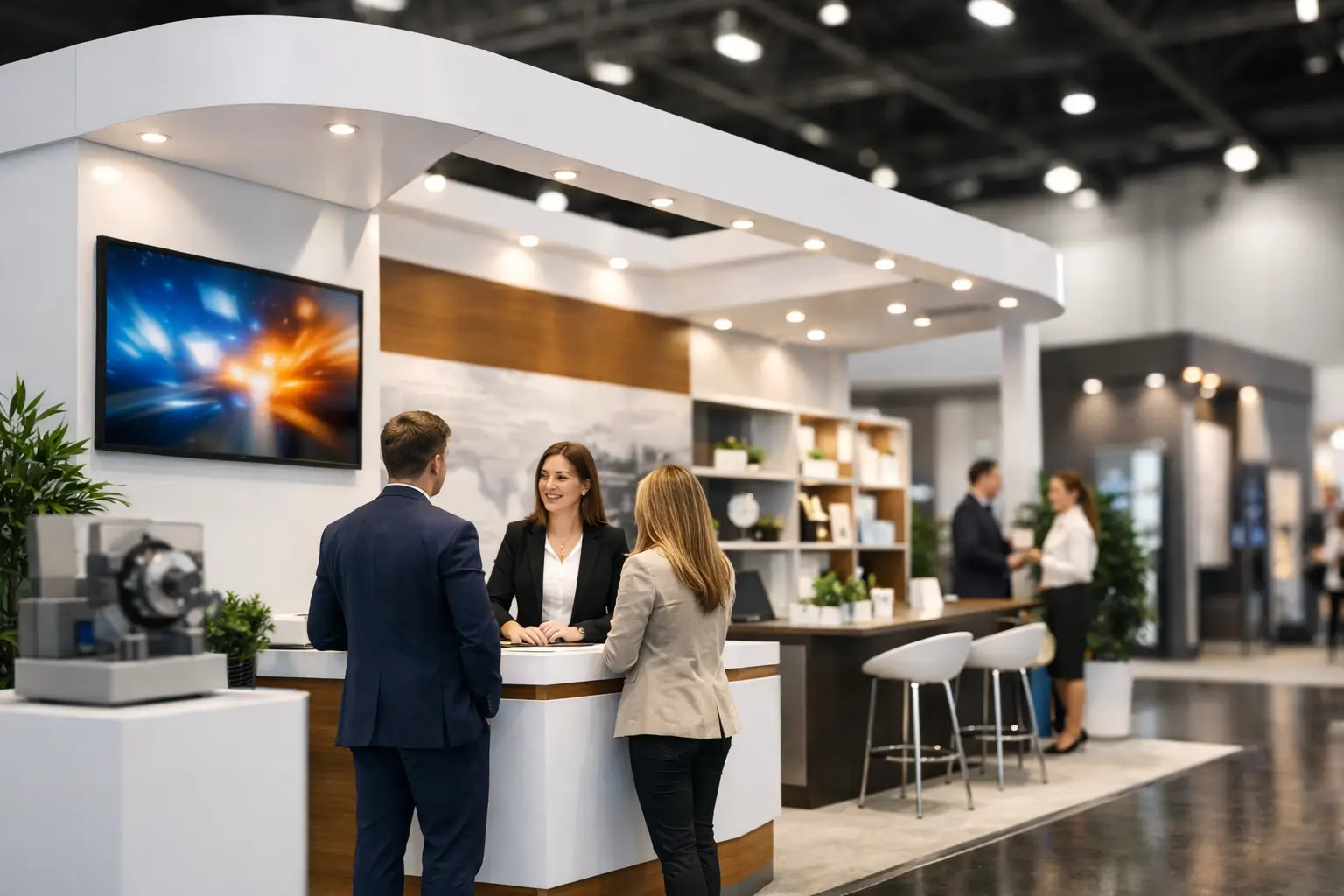

At most trade shows, you have a few seconds to earn a second look. Visitors walk fast, compare dozens of brands in one aisle, and make snap decisions before anyone on your team says hello. That is why learning how to make exhibition stall attractive is not really about decoration. It is about using design, messaging, and visitor flow to stop the right people, start better conversations, and support real commercial outcomes.
An attractive stall is not always the biggest one, and it is not always the one with the highest budget. The stalls that perform best usually do three things well. They look credible from a distance, they feel easy to enter, and they give visitors a clear reason to stay. Everything else – graphics, lighting, product displays, screens, hospitality, even storage – should support those three goals.
How to make exhibition stall attractive from the first glance
The first impression happens before visitors read a single line of text. Shape, height, lighting, and color do most of the work. If your stall blends into the aisle, strong products and a capable sales team may never get their chance.
Start with visibility. Elevated branding, clean sightlines, and a structure that reads clearly from multiple angles help your stall work harder in crowded halls. This matters even more at large-format events where attendees are scanning hundreds of exhibitors in a limited time. A bold overhead element or LED feature can help, but only if it aligns with your brand and does not create visual noise.
Color is another fast decision-maker. High contrast tends to perform better than busy palettes, especially when the goal is recognition at a distance. The trade-off is that very loud color schemes can feel generic or aggressive if they are not anchored in brand identity. For sectors like pharma, government, or industrial manufacturing, a more controlled palette often builds trust faster than something flashy.
Lighting is one of the most underused tools in exhibition design. Good lighting adds clarity, depth, and perceived quality. It can direct attention to hero products, create warmth in meeting areas, and make graphics easier to read. Poor lighting does the opposite. It flattens the stand, hides detail, and makes even premium finishes feel average.
Attraction starts with clarity, not clutter
Many exhibitors try to say too much. They list every product category, every certification, every service capability, and every regional office on the front-facing walls. The result is a stall that feels crowded before anyone steps inside.
A more effective approach is to lead with one strong message. What do you want a visitor to understand in three seconds? That you are launching a new product? That you are the market leader in a category? That you solve a high-cost operational problem? One message is memorable. Seven messages compete with each other.
This principle should shape your graphics as much as your copy. Use fewer words, larger type, and cleaner visual hierarchy. Headlines should be readable from the aisle. Supporting detail can live deeper inside the stall, where engaged visitors are willing to spend more time. If every wall is treated like a brochure, your stall will ask too much of passing traffic.
Layout matters more than most exhibitors realize
If visitors do not feel comfortable entering, your stall will lose opportunities even when it looks impressive. Attractive design has a practical side. It should guide movement naturally and remove friction.
Open-front layouts usually outperform closed or heavily blocked entrances because they lower the psychological barrier to entry. People are more likely to step in when they can immediately see where to stand, what is being shown, and whether they will be approached in a comfortable way. This does not mean every stall should be fully open. In some sectors, a mix of public display space and semi-private meeting zones works better. The key is balance.
Think in layers. The front edge should attract and orient. The middle should engage, whether through product interaction, samples, digital content, or a quick consultation point. The back should support longer discussions, demos, or meetings. When these zones are planned well, the stall feels intentional rather than crowded.
Storage also affects attractiveness more than people expect. Bags, cartons, giveaway boxes, and staff belongings can quickly damage the look of a well-designed space. Built-in storage keeps the visible area polished throughout the event, not just at opening hour.
How to make exhibition stall attractive with the right experience
Visual appeal gets attention, but experience is what makes visitors remember you. That experience should match your sales objective and audience.
If you sell complex solutions, attraction may come from a live demonstration, a touch-screen comparison tool, or a product cutaway that explains technical value quickly. If you are in FMCG or beauty, sampling and tactile display can do more than a wall graphic ever will. If you are targeting procurement teams or senior decision-makers, a comfortable meeting area with a sense of privacy may be the real differentiator.
The mistake is adding technology or activations for their own sake. A video wall can be a strong asset, but not if it plays generic footage with no clear relevance. Interactive elements should simplify your message, not distract from it. Visitors should understand within moments what they are meant to look at, touch, scan, or ask.
Staff behavior is part of the experience too. An attractive stall loses impact if the team is sitting, using phones, or clustering near the entrance. On the other hand, an over-eager approach can drive people away. The best-performing teams are visible, prepared, and responsive without creating pressure. Design and staffing should work together.
Materials, finishes, and build quality signal trust
Visitors notice build quality even if they do not talk about it directly. Wobbly counters, peeling graphics, exposed cables, and poor joins send a message about the brand behind the stall. For companies selling reliability, innovation, or premium products, that disconnect can hurt credibility.
This is where material choice matters. Clean finishes, crisp fabrication, and well-integrated lighting create a more professional environment than excessive decorative add-ons. Premium does not always mean expensive. Often it means disciplined detailing and consistency. A smaller stand executed properly can outperform a larger one with weak finishing.
There is also a sustainability angle. More brands now want exhibition environments that look premium without being wasteful. Modular systems, recyclable components, and reusable structures can support that goal, provided the final result still feels customized. Sustainability should be visible in smart planning, not in compromise.
Make your stall attractive for the right audience
Not every attractive stall attracts the right people. That distinction matters. A stand that draws casual traffic but fails to engage decision-makers may look busy while underperforming commercially.
The design should reflect who you want to meet. For technical buyers, product proof and application relevance matter. For distributors, commercial clarity and market opportunity may matter more. For government or country pavilion formats, the challenge is different again. You need to balance national identity, exhibitor visibility, and visitor circulation across multiple stakeholders.
This is why pre-show strategy should shape creative choices. Before the concept is finalized, define the target visitor, priority products, desired actions, and lead-handling plan. When those decisions come first, the stall becomes a business tool rather than just an attractive structure.
For exhibitors attending major events in markets like Dubai, Riyadh, Las Vegas, or Mumbai, competition for attention is high and visitor expectations are higher. In those environments, disciplined execution matters as much as creative ambition. That is one reason many brands choose an end-to-end partner such as LemonTree Exhibitions – not only for design impact, but for tighter control over fabrication, logistics, installation, and on-site quality.
Small details often create the biggest lift
Sometimes the difference between average and standout comes from details that seem minor on paper. Better flooring can define the space. Cleaner edge lighting can make branding more legible. A well-placed product pedestal can create a photo moment. Freshly managed hospitality can encourage longer dwell time.
Even sound matters. If your audio is too loud, it creates fatigue. Too quiet, and video content loses energy. The same goes for scent, screen brightness, staff uniforms, badge scanning setup, and cable management. Visitors may not call these elements out, but they shape how professional and welcoming your stall feels.
If you are working within a tighter budget, focus your spend where visitors notice it most: front-facing branding, lighting, one memorable focal element, and clean execution. A limited budget spread thinly across too many features usually looks weaker than a focused investment in a few high-impact choices.
A strong exhibition stall does not win because it is busy or expensive. It wins because it is clear, visible, well-built, and easy to engage with. If your stall helps the right visitors understand who you are, what you offer, and why they should stop now, attraction turns into opportunity – and that is the result that actually matters.