

At GITEX, a booth has seconds to do two jobs at once – stop traffic and start qualified conversations. That is why looking at strong gitex booth design examples is not just about aesthetics. For marketing teams, exhibitors, and procurement leads, the real question is what kind of booth turns footfall into meetings, demos, and follow-up opportunities without creating execution headaches.
GITEX is a high-pressure exhibition environment. Tech brands compete not only on product strength but on visibility, clarity, and visitor experience. A booth that looks impressive from the aisle but fails to support live demos, lead capture, or private discussions can underperform fast. The best examples succeed because they align design with commercial intent.
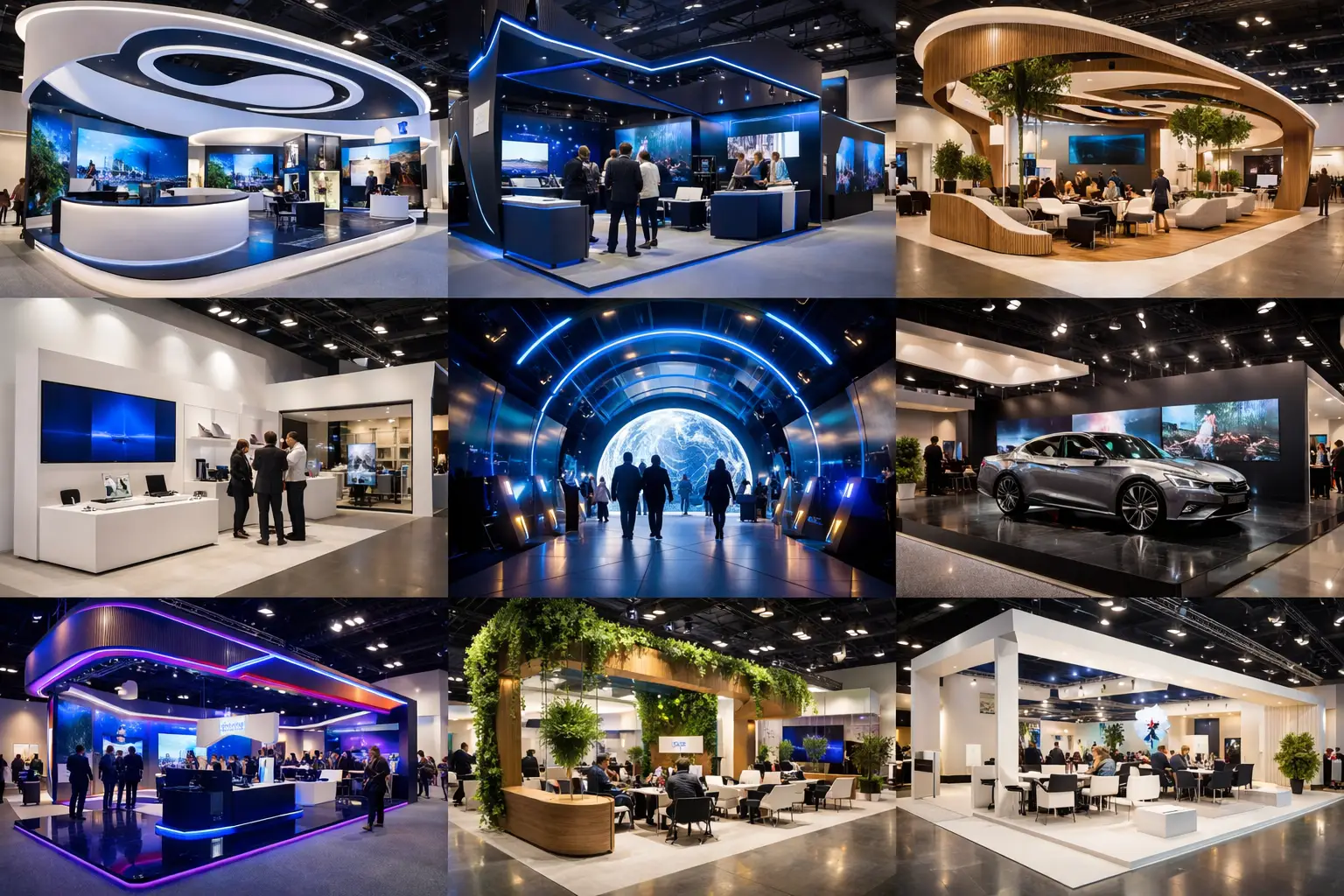
What strong GITEX booth design examples have in common
The most effective stands at GITEX are rarely built around a single flashy element. They work because every part of the environment supports a business objective. Open sightlines pull people in. Clear messaging helps visitors understand the offer within moments. Demo zones are easy to access. Meeting areas feel intentional rather than squeezed into leftover space.
There is also a practical layer that experienced exhibitors respect. At a busy technology show, AV integration, cable management, storage, lighting control, and booth staffing matter just as much as the facade. A bold concept only works when the booth can be fabricated accurately, installed on time, and operated smoothly during show days.
1. The open-corner technology booth
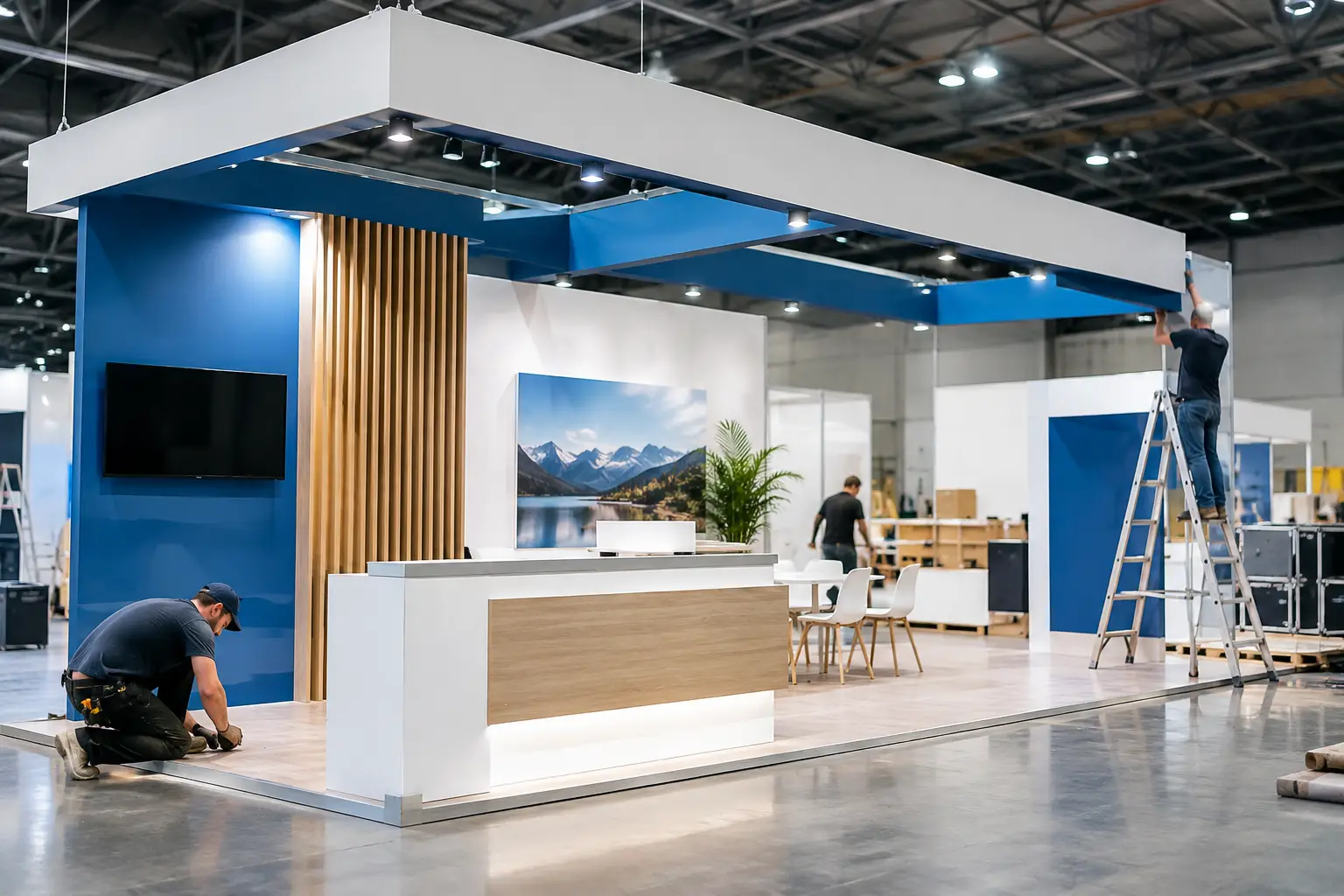
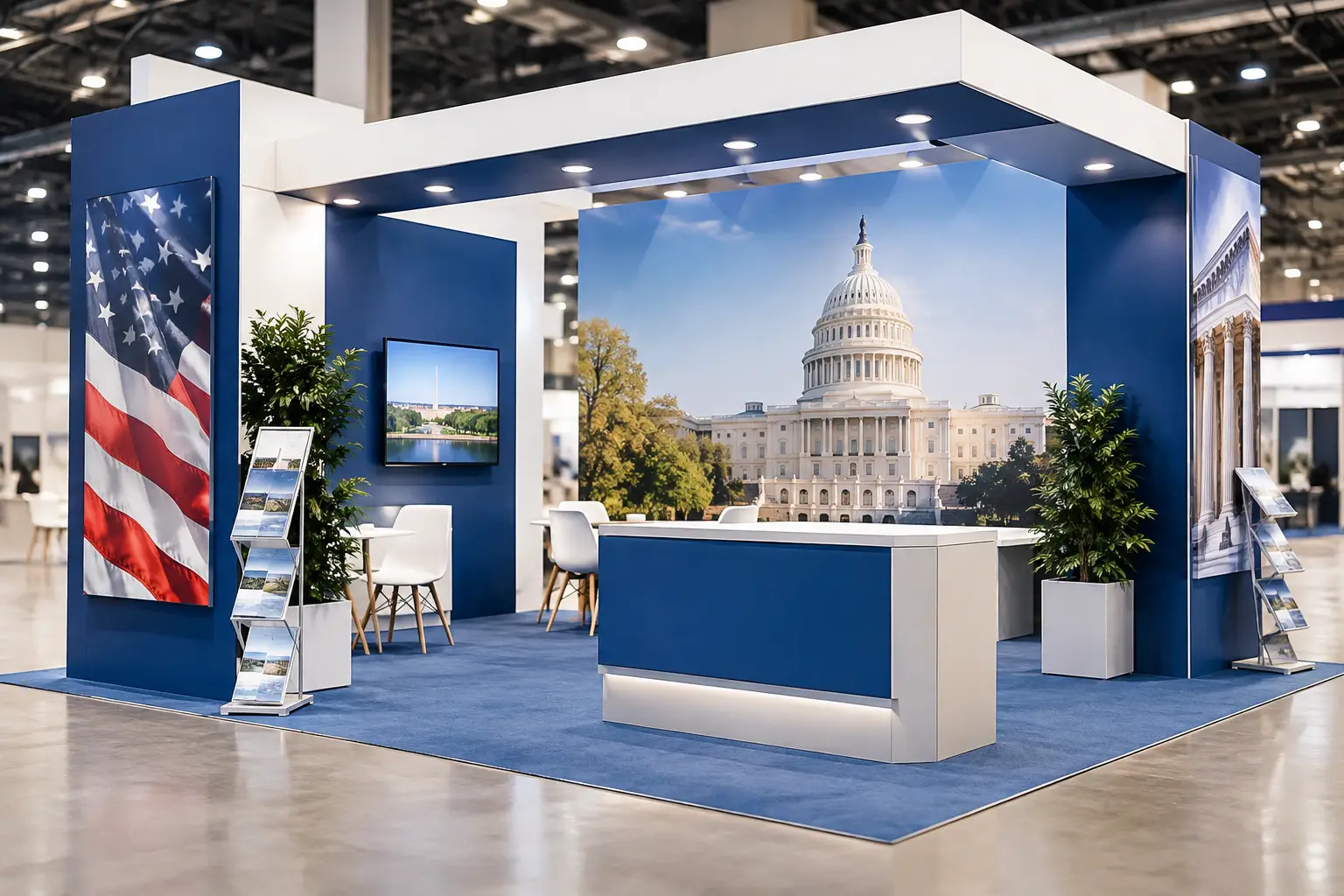
One of the most reliable formats is the open-corner booth that uses two accessible sides to increase entry points. This layout works well for software, SaaS, cloud, telecom, and enterprise tech brands that want volume engagement. Instead of forcing visitors through a narrow front entrance, it allows people to step in naturally from multiple directions.
What makes this example effective is restraint. A strong overhead brand marker, one large LED wall, and a few well-placed demo counters usually outperform a cluttered build. The trade-off is privacy. If your team expects high-value conversations with enterprise buyers, you need enclosed or semi-enclosed meeting space somewhere within the plan.
2. The LED-led product theater
Some of the most memorable gitex booth design examples are built around a central screen experience. This approach is especially strong for AI, cybersecurity, smart city, mobility, and platform-based brands with complex messaging. A large-format LED wall or multi-screen display becomes the storytelling engine of the stand.
When done well, it creates a mini destination on the show floor. Short scheduled presentations, launch moments, and live product walkthroughs help structure footfall. But this format only works if content is built for the environment. Long corporate videos with tiny text do not hold attention at GITEX. The screen should support the sales message, not dominate it.
3. The hospitality-meets-tech lounge
For brands focused on relationship building, a lounge-led booth can be more effective than a demo-heavy concept. This format is common for firms in enterprise solutions, investment-backed tech, consulting, and government-backed innovation programs where conversations matter more than mass interaction.
The best version of this example feels premium but not closed off. Visitors should still understand what the brand does from the aisle. Soft seating, hospitality counters, integrated charging points, and controlled acoustics help teams hold longer meetings. The challenge is perception. If the booth looks too exclusive, casual visitors may assume it is invite-only and keep walking.
4. The double deck booth for scale and privacy
When a brand wants presence at a major level, the double deck structure is one of the clearest signals. It creates vertical visibility on a crowded show floor and adds something every serious exhibitor values – functional space. The upper deck can host private meetings, VIP discussions, or partner sessions while the ground level stays open for product engagement.
This format suits larger budgets and more mature exhibition programs. It also requires disciplined planning across engineering, approvals, circulation, and staffing. A double deck booth can be highly efficient, but only if the lower level does not become too dense or too dark under the upper structure.
5. The modular premium booth for smart budgets
Not every successful stand at GITEX is massive. Some of the strongest results come from modular premium booths that use clean architecture, strong graphics, and targeted technology integration. For startups, SMEs, and brands testing the market, this is often the right balance between cost control and visual credibility.
A good modular booth does not look temporary. It uses high-finish materials, disciplined branding, and one or two standout features, such as a suspended sign, illuminated product wall, or touchscreen demo area. The upside is speed and efficiency. The limitation is flexibility. If your product story requires multiple zones or immersive presentations, a custom build may support better outcomes.
6. The zoned booth for multiple audiences
Many GITEX exhibitors need to speak to more than one visitor type. A company may want to attract channel partners, enterprise buyers, media, and investors in the same space. In those cases, the most useful example is a zoned booth with distinct areas for discovery, demonstration, discussion, and hospitality.
This format works particularly well for larger technology portfolios. The front edge can carry broad brand messaging, while side zones support category-specific conversations. The key is circulation. If visitors cannot tell where to go, the booth starts to feel complicated. Good zoning should simplify the experience, not make it more formal.
7. The immersive product experience booth
Some products need to be felt, not just explained. Immersive booth concepts work well for VR, gaming, smart devices, automation, robotics, and interactive platforms where firsthand experience drives interest. These environments often use controlled lighting, enclosed demo pods, sensor-based installations, or guided interaction paths.
This can be a high-impact choice, especially for product launches. But it must be managed carefully. If the immersive feature takes too long or serves too few people at once, lines build up and the booth becomes a bottleneck. The best immersive stands combine spectacle with throughput.
8. The country pavilion or collective exhibitor format
Government bodies, export councils, and trade associations often require a different design logic altogether. In a country pavilion or collective participation setup, the objective is to present a unified identity while giving each exhibitor enough independence to promote its own offering.
Strong pavilion examples balance consistency with flexibility. Shared branding, reception, hospitality, and meeting infrastructure create order, while individual pods or branded zones give participating companies visibility. This format demands careful operational control because one weak section can affect the perception of the whole pavilion.
9. The lead-generation booth with fast qualification
Some exhibitors come to GITEX with a very direct target – maximize qualified leads within a short event window. For them, the best booth design is not necessarily the most dramatic. It is the one that makes interaction easy. Clear callouts, approachable staff positions, quick demo stations, and intuitive lead capture points create momentum.
This kind of booth often performs well for telecom providers, business services, software tools, and B2B platforms. The design focus is clarity and speed. The risk is becoming forgettable if the stand feels too transactional. A strong visual hook still matters, even in a conversion-first setup.
How to choose from these GITEX booth design examples
The right concept depends on what success looks like for your team. If brand visibility is the main goal, architectural height, lighting, and media presence will matter more. If the priority is enterprise meetings, then private rooms, hospitality, and acoustics deserve more floor space. If you are launching a product, your central demonstration area should drive the plan rather than sit at the edge.
Budget also changes the answer. A smaller booth with sharp messaging and disciplined execution will usually outperform a larger booth that tries to do too much. This is where experienced stand partners add real value. They help shape a concept that your team can actually operate, not just approve in a rendering.
Another factor is timeline. GITEX preparation moves quickly, especially for international exhibitors managing internal approvals across regions. Booths that rely on custom AV, heavy structural work, or multi-layered fabrication need more design coordination early. If the timeline is compressed, simplifying the concept can protect both quality and delivery.
For brands exhibiting across multiple markets, consistency matters too. A booth does not need to look identical from Dubai to Las Vegas or Mumbai, but it should feel like the same company. The strongest exhibition programs carry recognizable brand language while adapting intelligently to venue, audience, and event scale. That is often where an end-to-end build partner earns trust – by keeping design ambition tied to production reality.
A company like LemonTree Exhibitions sees this every season at major trade shows: the stands that perform best are not just attractive, they are operationally sharp. They guide traffic, support the sales team, protect the schedule, and leave the brand looking credible from every angle.
If you are reviewing concepts for GITEX, do not ask only which booth looks the boldest. Ask which one helps your team sell, explain, host, and follow up more effectively. That is usually where the best design choice becomes obvious.