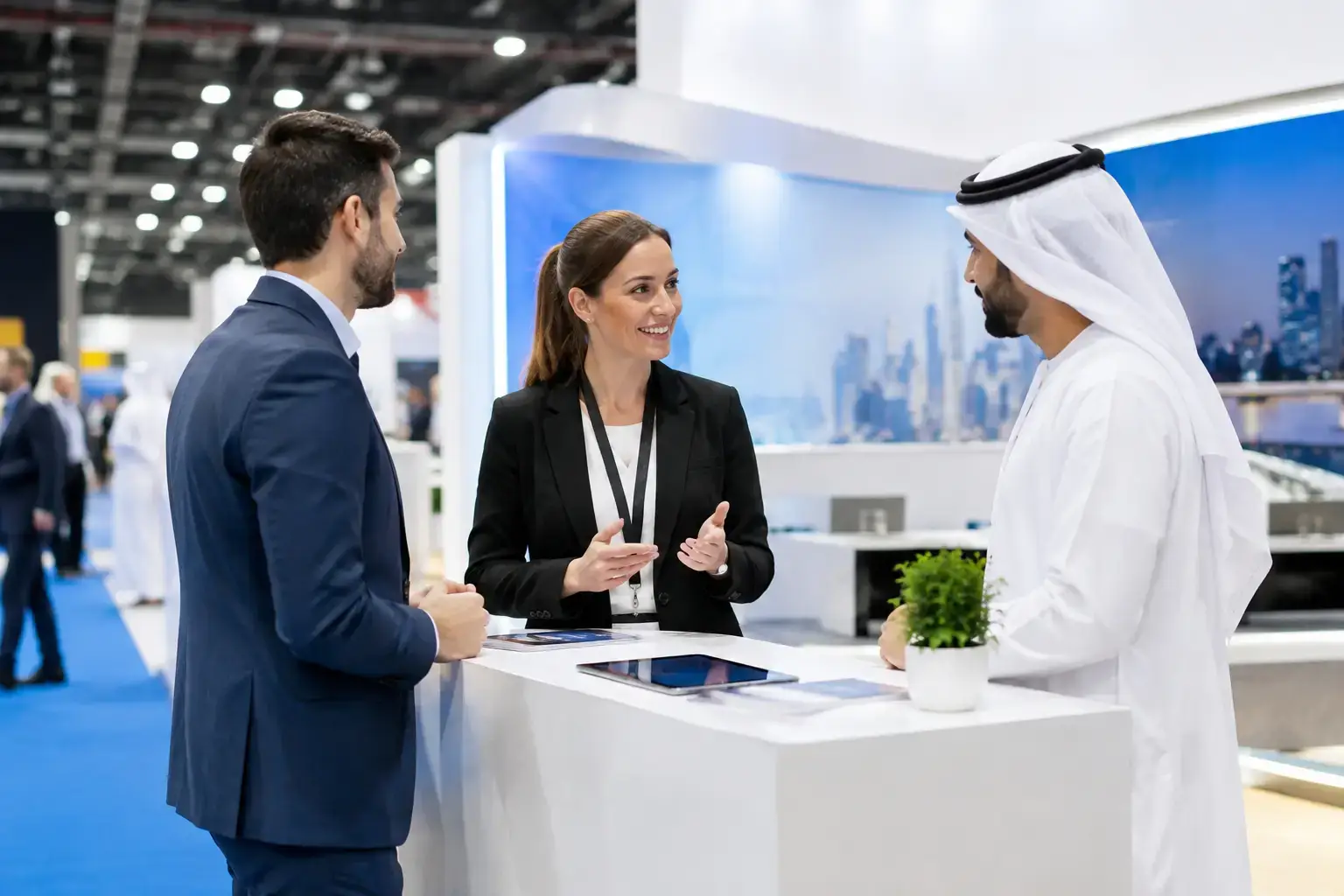

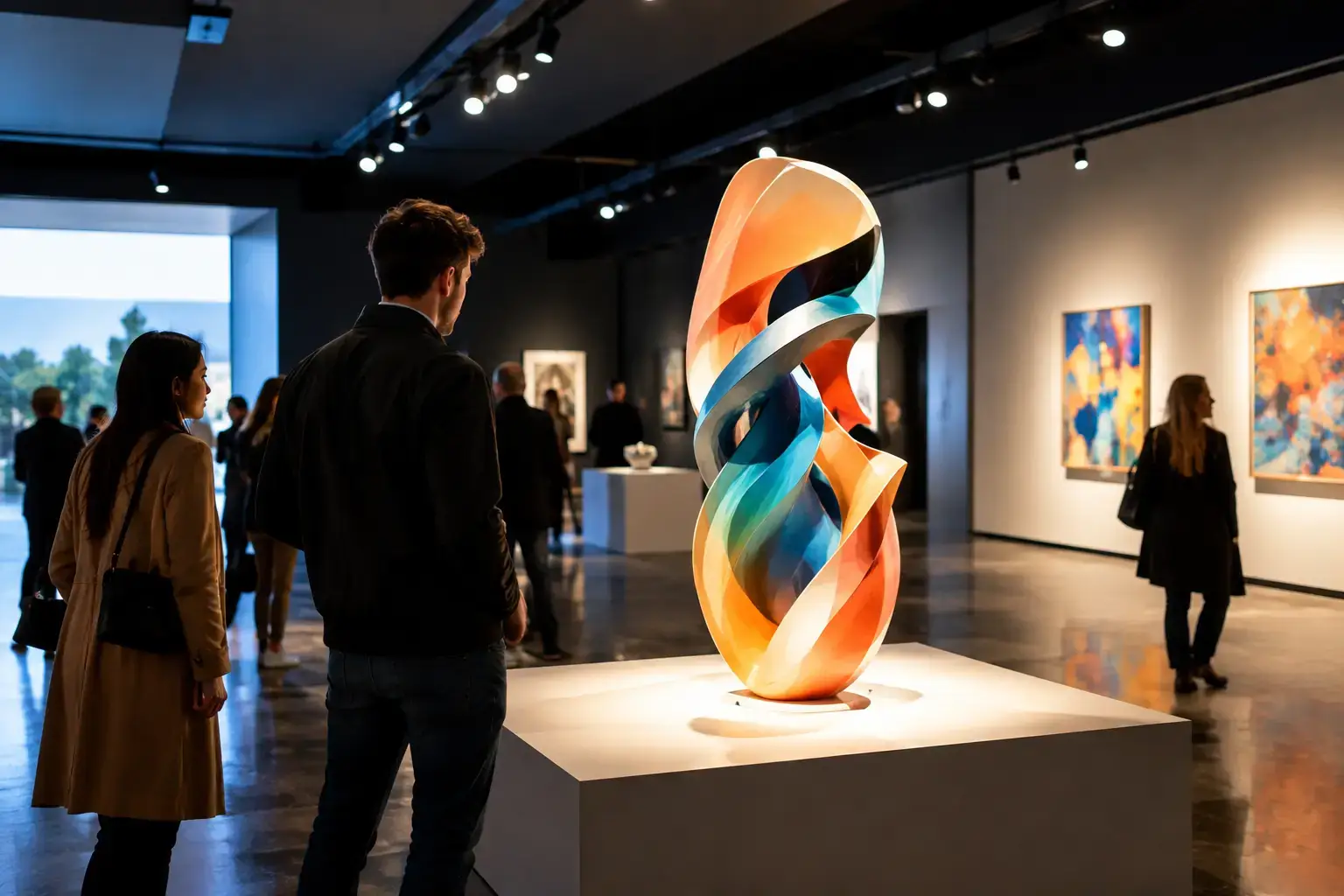

A busy show floor gives visitors only seconds to decide where to look next. The best exhibition lighting techniques turn that brief glance into a reason to stop: a product catches the eye, a message becomes readable, and the stand feels more considered than the spaces around it. Lighting is not a finishing touch. It is one of the most effective ways to control attention, shape perception, and support meaningful conversations.
For marketing teams, the goal is not simply to make a booth brighter. It is to make the right elements visible at the right moment, while keeping the environment comfortable enough for visitors to stay. That takes a lighting plan built around brand priorities, product requirements, venue conditions, and the physical structure of the stand.
Best Exhibition Lighting Techniques Start With Visual Hierarchy
Every stand has a priority order, whether it is planned or not. Visitors should immediately understand who you are, what you offer, and where to go next. Lighting can establish that order faster than graphics alone.
Begin with the primary focal point. It may be a hero product, a live demonstration zone, a large brand message, or a reception counter. Give that element more visual emphasis than its surroundings through stronger illumination, a tighter beam angle, or contrast against a darker background. The result should feel intentional rather than theatrical.
A common mistake is lighting every surface at the same level. When the logo, shelves, walls, meeting tables, and product displays all receive identical brightness, nothing leads the eye. A layered approach creates direction. General light makes the stand welcoming, accent light identifies what matters, and task light supports practical activities such as product demonstrations, consultations, and hospitality.
Light Products for Accuracy, Not Just Drama
Products deserve lighting that reflects how customers need to assess them. A glossy automotive component, a textile sample, medical equipment, and a food display each react differently to light. The most dramatic setup is not always the most persuasive one.
For detailed products, use directional spotlights with controlled beam angles. Narrow beams work well for a single product pedestal or an engineering feature that needs close attention. Wider beams are better for shelving, display walls, or product groups. Position fixtures carefully so visitors see the product, not a distracting reflection from the light source.
Color rendering also matters. High-quality LED fixtures with a strong color rendering index help materials, packaging, finishes, and brand colors appear more accurate. This is especially valuable for beauty, FMCG, interiors, fashion, and any category where color influences a purchase decision. If a premium product looks flat, dull, or inconsistent under poor lighting, the stand can undermine the brand promise before a conversation begins.
For reflective surfaces, test the lighting from the visitor’s point of view, not only from the aisle. Glass, polished metal, acrylic, screens, and lacquered finishes can produce glare that hides the very product they are meant to showcase. Slight adjustments in fixture angle, height, or product orientation often solve the problem.
Choose Color Temperature That Supports the Brand
Color temperature changes the emotional tone of a space. Warm white light can make a hospitality zone, luxury product display, or natural-material environment feel welcoming. Neutral white often suits corporate, healthcare, and general product presentations because it appears clean and balanced. Cooler white can support technology, precision manufacturing, and futuristic brand concepts, particularly when used with restraint.
There is no universal best setting. A stand focused on timber finishes and premium seating may feel uninviting under a very cool light. Conversely, a cybersecurity or industrial automation brand may lose its sharp, contemporary character under overly warm illumination.
Consistency is more important than chasing a trend. Mixing noticeably different color temperatures without a clear concept can make graphics look mismatched and products look unreliable. Decide on a lighting palette early, then coordinate it with wall finishes, graphics, flooring, furniture, and digital content.
Use Colored Light as an Accent
Brand-colored lighting can create recall and energy, especially around architectural features, reception counters, product niches, or ceiling elements. But it works best as an accent. Saturating an entire booth in a strong color can distort faces, reduce product visibility, and make it difficult for visitors to read printed material.
A better approach is to keep key customer-facing areas in flattering white light and reserve color for moments of emphasis. This gives the brand a distinctive visual signature without sacrificing comfort or clarity.
Build Contrast Without Creating Glare
Contrast is what makes a stand visible from the aisle. It can come from a bright product display against a darker wall, an illuminated graphic behind a reception desk, or a controlled glow within a meeting area. The strongest exhibition lighting does not necessarily use the most fixtures. It uses contrast with discipline.
Avoid placing bright, exposed lamps directly in a visitor’s line of sight. Glare creates discomfort, causes people to look away, and can make a premium stand feel poorly finished. It is particularly problematic around touchscreens, LED walls, tablets, and polished displays.
Diffused linear lighting, recessed channels, backlit fabric graphics, and shielded spotlights can deliver impact without harshness. Backlighting is especially useful for communicating a message across a busy hall because it gives graphics presence even at a distance. Still, graphic design and illumination must be planned together. Small text, low-contrast artwork, or overcrowded visuals will not become more effective simply because the panel is lit.
Coordinate Lighting With Screens and Content
LED video walls are powerful attention tools, but they need their own lighting strategy. If surrounding spotlights are too bright or directed toward the screen, content loses contrast and becomes harder to see. If the display is the visual centerpiece, let it carry that role and reduce competing illumination nearby.
At the same time, do not allow the screen to become the only source of light in a presentation area. Faces need balanced front lighting for conversations, demonstrations, and photos. This is especially relevant when senior executives, product specialists, or event hosts are speaking with prospects on camera.
For interactive zones, test the full experience before the show opens. Check screen visibility from different approach angles, review reflections on glass surfaces, and confirm that control panels and product interfaces remain easy to use. These details separate a visually impressive concept from a stand that works reliably through long show hours.
Plan Lighting Around Visitor Behavior
The best exhibition lighting techniques also support how people move through a booth. A brighter entry edge can make an open stand feel approachable. A sequence of illuminated product moments can draw visitors deeper inside. Softer, more even light in meeting spaces can signal privacy and encourage longer discussions.
Consider the stand from three distances: across the aisle, at the entry, and from inside the space. From afar, the lighting should help the brand and primary message register quickly. At the entry, it should reveal a clear reason to engage. Inside, it should support product evaluation, staff interaction, and a comfortable pace of conversation.
This approach is particularly important for larger custom stands, double-decker structures, and country pavilions. These environments often have multiple zones competing for attention. Without a deliberate hierarchy, visitors may see scale but miss the story. Lighting can connect the experience by leading the eye from one zone to the next.
Design for the Venue, Budget, and Build Schedule
Venue lighting varies widely. A bright convention center in Las Vegas presents different challenges from a high-ceiling exhibition hall in Dubai or a more enclosed European trade fair venue. Ceiling height, rigging permissions, electrical allowances, neighboring stands, and show regulations all affect what is practical.
A strong lighting plan accounts for these realities before fabrication begins. Built-in lighting may offer a cleaner, more controlled result, while rented fixtures can be a practical option for a one-time configuration or a changing floor plan. The right choice depends on the stand’s reuse strategy, desired finish, installation window, and budget.
Energy efficiency should also be part of the decision. LED fixtures generally reduce power demand and heat output while offering flexibility in beam control and color. Selecting reusable fixtures and integrating them into modular stand elements can support both cost control and more responsible exhibition practices.
Test Before Opening Day
Lighting cannot be fully judged from a rendering, specification sheet, or workshop test alone. The final assessment happens on site, with the actual hall conditions, stand finishes, graphics, products, and neighboring displays in place.
During installation, walk the booth as a visitor would. Look for dark corners, visible cables, hot spots on graphics, shadowed product areas, reflections, and fixtures that compete with the main message. Photograph the stand from the aisle and from inside the space. Camera images often reveal imbalance that the eye overlooks during a fast-paced build.
At LemonTree Exhibitions, lighting is planned as part of the full stand environment, not added after the structure is complete. That coordination between design, fabrication, graphics, AV, and on-site installation helps ensure that a bold concept remains practical, polished, and ready when the doors open.
The right lighting should make visitors feel that the stand is easy to understand and worth entering. When it quietly directs attention to the products, people, and messages that matter most, it becomes one of the most dependable drivers of exhibition impact.