


A well-built booth can stop visitors in the aisle. The people inside it determine whether that attention becomes a qualified lead, a product demonstration, or a missed opportunity. Effective event staffing for exhibitions is not about filling a counter with friendly faces. It is about putting the right brand representatives in the right roles, with enough preparation to make every conversation count.
For marketing teams, the staffing decision often sits between creative planning and show-floor operations. It deserves the same discipline as stand design, product messaging, lead capture, and logistics. A polished, informed team protects your investment in the exhibition and gives prospects a clear reason to stay, engage, and follow up.
Why event staffing for exhibitions affects ROI
Exhibition visitors make quick judgments. Within seconds, they can see whether a booth feels welcoming, busy, knowledgeable, or disorganized. Staff members set that tone before a product demo begins or a brochure changes hands.
The strongest teams do three things consistently: they acknowledge passersby without being intrusive, identify why a visitor has stopped, and move the discussion toward a useful next step. That step may be a technical conversation, a scheduled meeting, a demonstration, or a properly captured lead. Without a clear staffing plan, even a high-traffic booth can produce low-value interactions.
This matters especially at large, competitive shows such as GITEX, ADIPEC, Gulfood, Big 5, and industry events in Las Vegas or Chicago. Visitors have limited time and many suppliers to assess. They are unlikely to wait for an available representative, interpret vague product claims, or return to a booth that felt indifferent on the first visit.
Staffing is also a brand-control issue. In sectors such as pharma, energy, manufacturing, and technology, an inaccurate answer can undermine confidence quickly. Your team needs to know where its authority begins and ends, and how to bring in a specialist without making the visitor feel passed around.
Start with roles, not headcount
A common mistake is choosing a staffing number based only on booth size. A 300-square-foot booth with one focused product and scheduled demos may need fewer people than a larger footprint with multiple zones, product displays, hospitality, and meetings running at once.
Start by mapping the visitor journey. Who welcomes attendees at the open edge of the booth? Who qualifies them? Who handles product depth? Who manages appointments, hospitality, and lead capture? Once these responsibilities are visible, headcount becomes easier to justify.
Build a team around the visitor journey
Most exhibition teams need a blend of commercial and operational roles. Sales representatives or account managers should handle high-intent prospects, pricing discussions, and relationship building. Product experts should lead technical demonstrations and answer detailed questions. A host or hostess can greet visitors, direct traffic, support registration, and keep meeting areas presentable.
For larger stands, designate a floor lead. This person monitors coverage, manages breaks, resolves small issues, and ensures leads are being recorded correctly. They should not be trapped in back-to-back sales conversations all day. Their value comes from seeing the entire operation.
A country pavilion or double-decker stand may require additional coordination. Multiple exhibitors, VIP visits, presentation schedules, and hospitality service create more points of failure. In those settings, clear role ownership is more useful than adding people without a plan.
Match experience to the conversation
Not every position requires the same level of industry expertise. A personable event professional can be highly effective at greeting, guiding, and qualifying visitors when given a clear script and escalation path. But complex questions about engineering specifications, regulatory requirements, or implementation timelines should go to a trained company representative.
There is a trade-off. Using only senior salespeople can raise staffing costs and leave no one managing visitor flow. Relying only on promotional staff can create a friendly booth with little commercial depth. The best approach is usually a layered team: approachable front-of-house support, knowledgeable product representation, and senior decision-makers available for priority meetings.
Brief the team like a campaign, not a shift
A staff briefing should go beyond dress code, show hours, and booth location. Every team member needs a working understanding of the campaign objective. Are you launching a product, entering a new market, generating distributor leads, strengthening existing accounts, or meeting government stakeholders? The answer changes how conversations should begin and what information matters most.
Give the team a concise briefing document, then hold a live walkthrough before the show opens. Cover the brand story, primary audience segments, key products, approved claims, common objections, and the exact definition of a qualified lead. Include practical details such as meeting schedules, staff break times, storage access, emergency contacts, and who approves decisions on the floor.
The most useful briefing material is simple enough to use under pressure. Instead of asking staff to memorize a lengthy presentation, provide a short opening line, three key messages, and a question framework. For example, a team member might ask what market the visitor serves, what challenge they are trying to solve, and when they expect to make a decision. The answers guide the next conversation.
For regulated industries, create boundaries around what can and cannot be discussed. If pricing, compliance, clinical information, or contractual terms require specialist review, staff should know how to respond confidently: acknowledge the question, capture the context, and introduce the appropriate expert.
Design the booth around how people will work
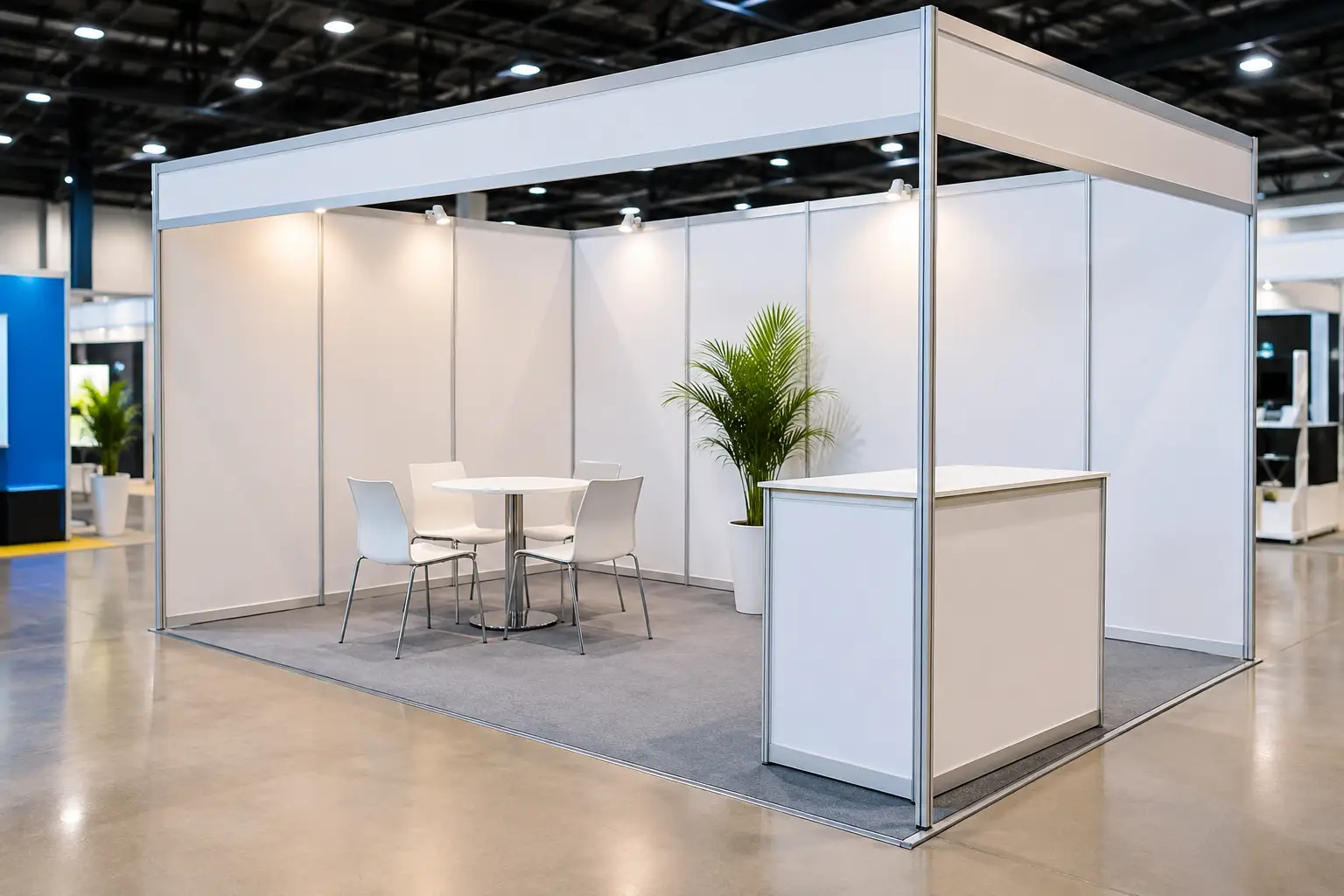
Event staffing cannot be separated from booth design. A beautiful stand with blocked sightlines, no meeting privacy, or an awkward demo area makes it harder for staff to perform. The stand should support the behavior you expect from the team.
Open entry points help greeters engage naturally. Dedicated demo counters prevent product experts from being surrounded by casual browsers. Semi-private meeting zones allow sales teams to move serious discussions away from the aisle without disappearing from view. Storage matters, too. When personal items, brochures, refreshments, and replenishment supplies have no designated place, visual discipline fades quickly.
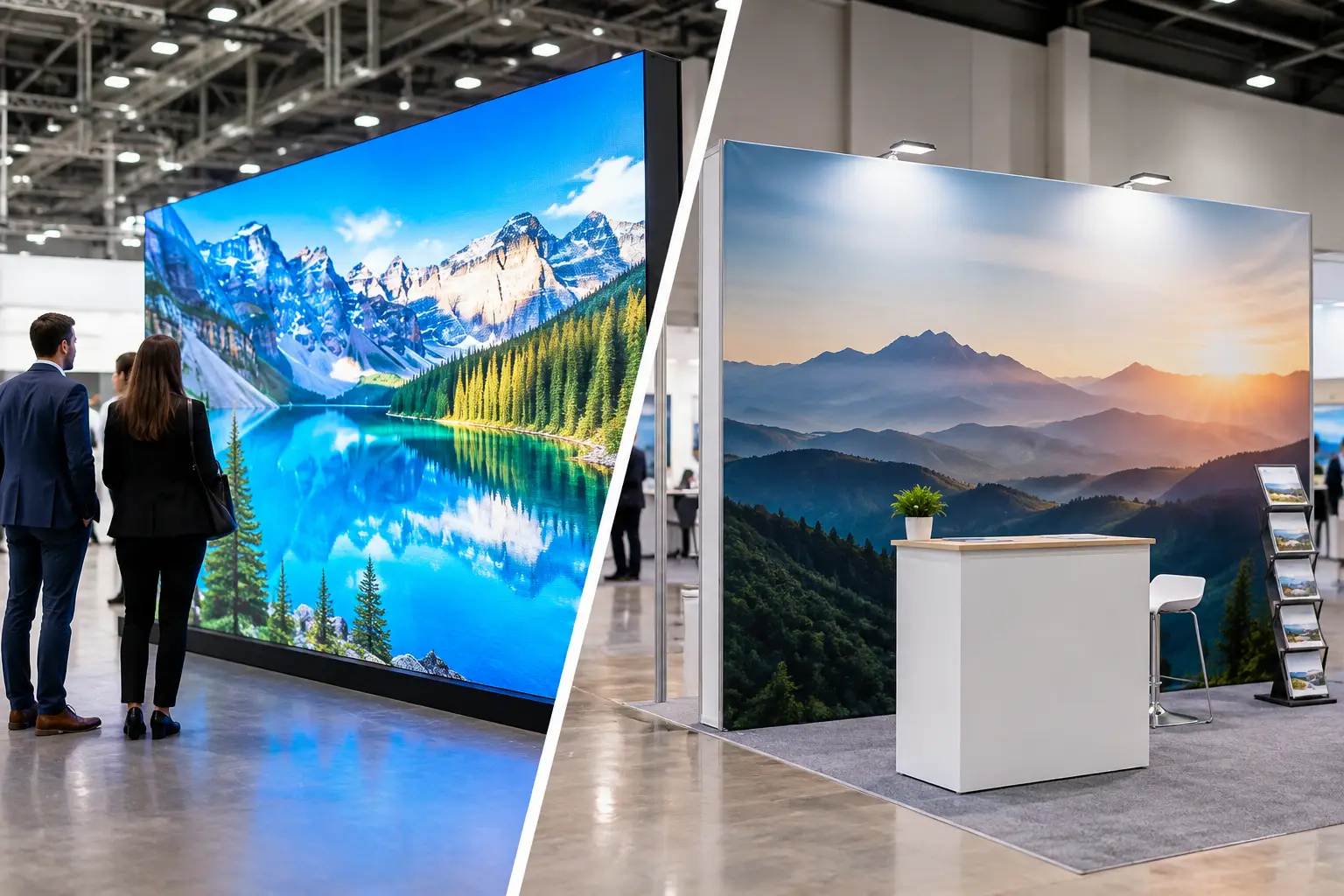
Digital elements need staffing as well. An LED video wall can build presence, but it should not replace human explanation. Interactive displays and lead capture tablets require someone to guide the experience and ensure information is collected accurately. If a tool adds friction rather than supporting the conversation, simplify it.
At LemonTree Exhibitions, stand planning and staffing can be coordinated as part of the wider exhibition execution, helping brands align the physical environment with the team expected to work within it.
Manage energy and consistency through the show
The first hour and the final hour of a trade show can be equally important. Early visitors may be purposeful buyers, while late visitors may finally have time to explore. Plan rotations so your strongest staff are not exhausted when valuable prospects arrive.
Set short daily huddles before opening and after closing. In the morning, confirm appointments, priorities, and any message updates. At the end of the day, review lead quality, recurring questions, competitor observations, and gaps in coverage. This is not a lengthy meeting. Ten focused minutes can improve performance on the following day.
Pay attention to staff behavior that visitors notice immediately: standing in closed circles, checking phones, eating at the booth, or clustering around one conversation. These habits can make a well-designed stand look unavailable. A floor lead should correct them early and respectfully.
Measure more than footfall
A crowded booth is encouraging, but footfall alone does not prove exhibition success. Track the number of meaningful conversations, qualified leads, demos completed, meetings booked, and follow-up actions assigned. If possible, note the source market, job title, product interest, and buying timeframe.
The right metrics depend on your goal. A market-entry campaign may value distributor meetings and market insight. A product launch may prioritize demonstrations and press engagement. An established exhibitor might focus on pipeline value or renewals with existing customers. Define these measures before the show so staff know what success looks like.
Follow-up should begin while the event is still fresh. Leads without owner names, conversation notes, or agreed next steps are difficult to convert later. Build lead review into the daily routine, not only the post-show debrief.
A great exhibition team does not simply make the booth look active. It gives every suitable visitor a reason to remember your brand, continue the conversation, and take the next step with confidence.