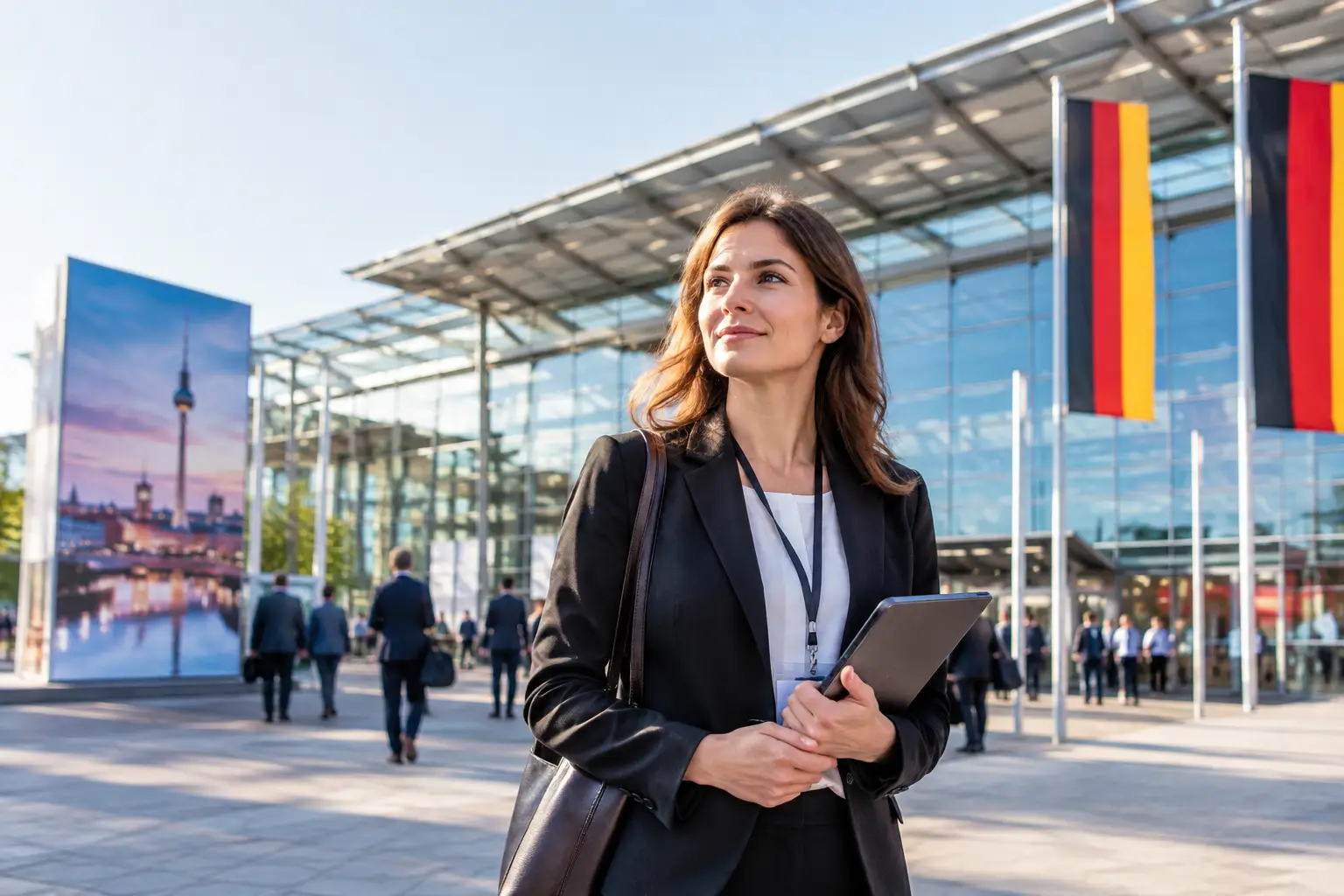

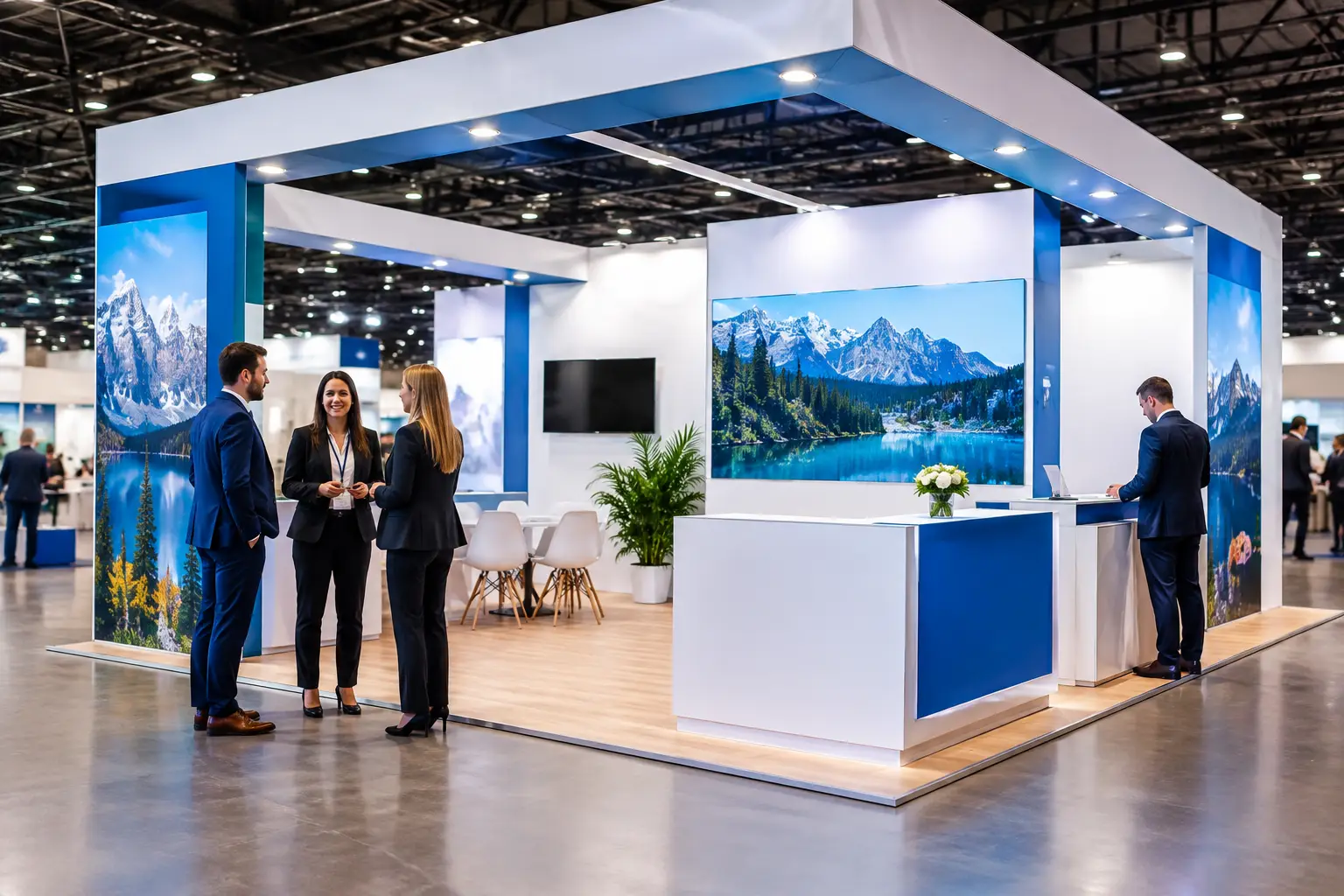

A busy show floor does not give exhibitors much time to make an impression. Your booth must communicate who you are, what you offer, and why visitors should stop – while the practical details of freight, venue rules, installation windows, and on-site coordination are handled without distracting your team. That is why selecting a trusted custom turnkey trade show booth builder company in USA is a business decision, not simply a design choice.
For marketing leaders, procurement teams, and exporters, the right partner combines creative ambition with disciplined delivery. A striking booth concept matters, but it only delivers value when the materials arrive on time, the finish matches the approved design, and the stand is ready when the doors open.
What “Turnkey” Should Actually Mean
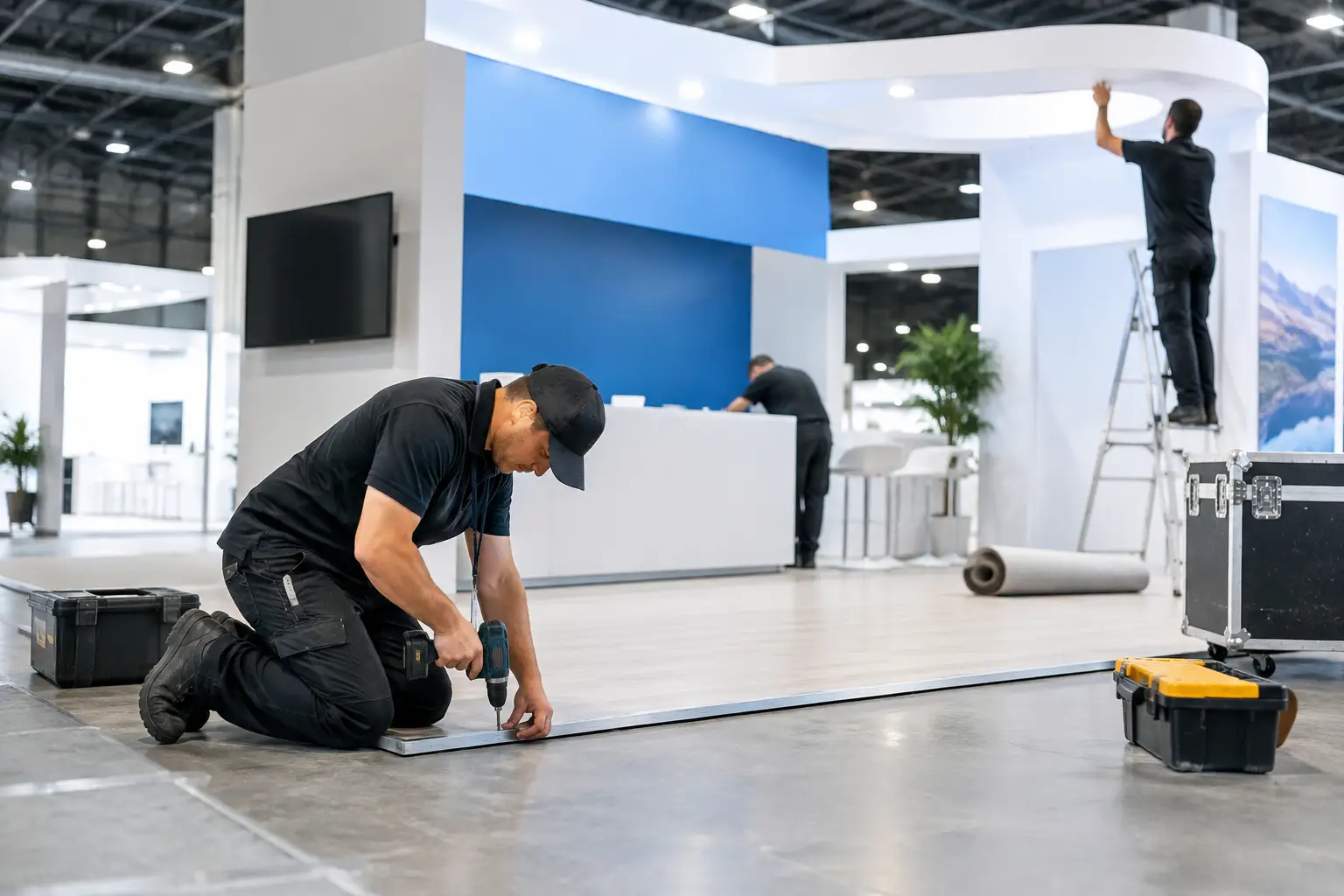
The term turnkey is often used loosely in the exhibition industry. A true turnkey booth service means one accountable partner manages the full path from idea to handover. That includes strategic consultation, 3D design, fabrication, production checks, transport coordination, installation, on-site support, and dismantling.
This model gives your team a clearer line of responsibility. Rather than coordinating a designer, fabricator, freight provider, local labor crew, and show contractor separately, you work with one project team that understands the complete brief. It reduces handoffs, avoids conflicting instructions, and makes it easier to control quality and cost.
A turnkey solution does not mean every booth should be built the same way. A 20-by-20-foot technology booth at a Las Vegas convention center has different needs from a large pharmaceutical presence in Chicago or a multi-brand country pavilion. The best builders adjust the design, materials, storage, lighting, meeting areas, and engagement features to the event objective and venue requirements.
How to Identify a Trusted Custom Turnkey Trade Show Booth Builder in the USA
Trust is earned through process, not promises. Before selecting a booth builder, look beyond polished renderings. Ask how the company plans projects, manages approvals, controls fabrication quality, and responds when an on-site condition changes.
Start with the brief, not the floor plan
A dependable partner will ask about your audience, product story, commercial goals, lead-capture plan, and staffing needs before proposing shapes and finishes. The booth should support a measurable outcome, whether that is product demonstrations, distributor meetings, launch visibility, qualified leads, or a stronger presence against established competitors.
For example, an energy company may need semi-private meeting space and high-visibility brand messaging. A consumer brand may need a more open layout with tactile product displays and content-ready visual moments. Both may occupy similar floor space, but they require very different environments.
Review fabrication control and local execution
Custom exhibition work is sensitive to small details. Poor joins, uneven graphics, weak lighting, or worn finishes can undermine an otherwise strong concept. Ask who fabricates the booth, who signs off on quality, and how the builder manages installation labor at the venue.
In-house design and production capability can offer stronger quality control, faster revisions, and better alignment between what was approved and what reaches the show floor. For projects delivered across multiple cities or countries, a builder should also demonstrate a practical system for coordinating local crews, logistics, and venue requirements.
Ask for a transparent scope and budget
The lowest initial quote is not always the lowest exhibition cost. A quote that excludes electrical work, rigging, graphics, furniture, labor, storage, or dismantling can create expensive surprises later. A professional proposal should clearly distinguish what is included, what depends on the venue, and what remains optional.
Budget discussions should also cover where investment will make the largest difference. It may be worth prioritizing a high-quality LED wall for a product launch, private meeting space for a sales-led event, or durable reusable structural elements for a recurring show program. Not every booth needs every feature.
Test responsiveness before the contract is signed
Trade show deadlines are fixed. Artwork changes, venue questions, and internal approvals rarely arrive on the ideal schedule. The builder’s responsiveness during planning is a useful indicator of how they will perform under pressure.
Look for a dedicated project contact, a realistic production schedule, written approval milestones, and clear escalation paths. Dependable communication is not an added benefit. It is central to protecting your exhibition investment.
Custom Build, Modular System, or Hybrid Booth?
A custom booth gives your brand greater freedom in architecture, material selection, storytelling, and visitor flow. It is often the right choice for major launches, large spaces, premium positioning, double-decker stands, and brands that need a distinctive visual presence.
Modular systems can be efficient for companies with frequent smaller events, tight lead times, or a need for easier reuse. They can still look polished when the graphics, lighting, product displays, and layout are thoughtfully designed. Their limitation is that they may offer less structural flexibility and can look generic if the brand layer is treated as an afterthought.
A hybrid approach often delivers the strongest balance. Reusable framework and standard technical components can control costs, while custom architectural features, branded surfaces, digital content, and purpose-built displays create impact. The right choice depends on how often you exhibit, the size of the booth, the number of markets you serve, and the level of differentiation your category demands.
Why Logistics Matter as Much as Design
A booth can be beautifully designed and still fail as an exhibition asset if logistics are not planned from the start. U.S. trade shows involve venue deadlines, contractor forms, union labor rules, shipping labels, electrical orders, drayage, and scheduled move-in times. These details affect both cost and readiness.
Experienced builders design with transport and installation in mind. They consider how components pack, how quickly they can be assembled, whether materials will withstand handling, and how the team will access services during build-up. This operational thinking is especially valuable for large stands with LED video walls, suspended elements, enclosed meeting rooms, or upper-level structures.
It also supports sustainability. Reusable structures, repurposed materials, efficient packing, and careful production planning can reduce waste without compromising the finish. Sustainable choices work best when they are considered at the concept stage, rather than added as a last-minute request.
The Questions Your Internal Team Should Settle First
Before requesting designs, align internally on the event’s primary goal, booth size, budget range, decision-makers, and approval timing. Decide whether you need product demonstrations, hospitality, lead capture, retail-style displays, meeting rooms, or a combination of these functions.
It is equally useful to define success in practical terms. A brand-awareness objective might be measured through foot traffic, media content, and visitor dwell time. A sales-focused objective may require meeting capacity, demo throughput, and qualified conversations. When the objectives are clear, the builder can make better decisions about layout and investment.
LemonTree Exhibitions approaches this work as an end-to-end partnership, bringing together 3D concept design, fabrication, logistics, installation, and dismantling under coordinated project management. With experience across international exhibition programs and high-impact builds, the focus remains on a stand that looks considered, functions well, and is delivered with control.
Choose a Partner That Can Protect the Moment
Your booth represents the brand at a moment when prospects, partners, and competitors are all paying attention. The standard should be more than an attractive rendering or a competitive estimate. Choose a builder that can translate your commercial objective into a bold physical environment, manage the details behind the scenes, and hand over a space your team can use with confidence.
The best exhibition partner makes the complex work feel organized, leaving your people free to have the conversations that make the show worthwhile.