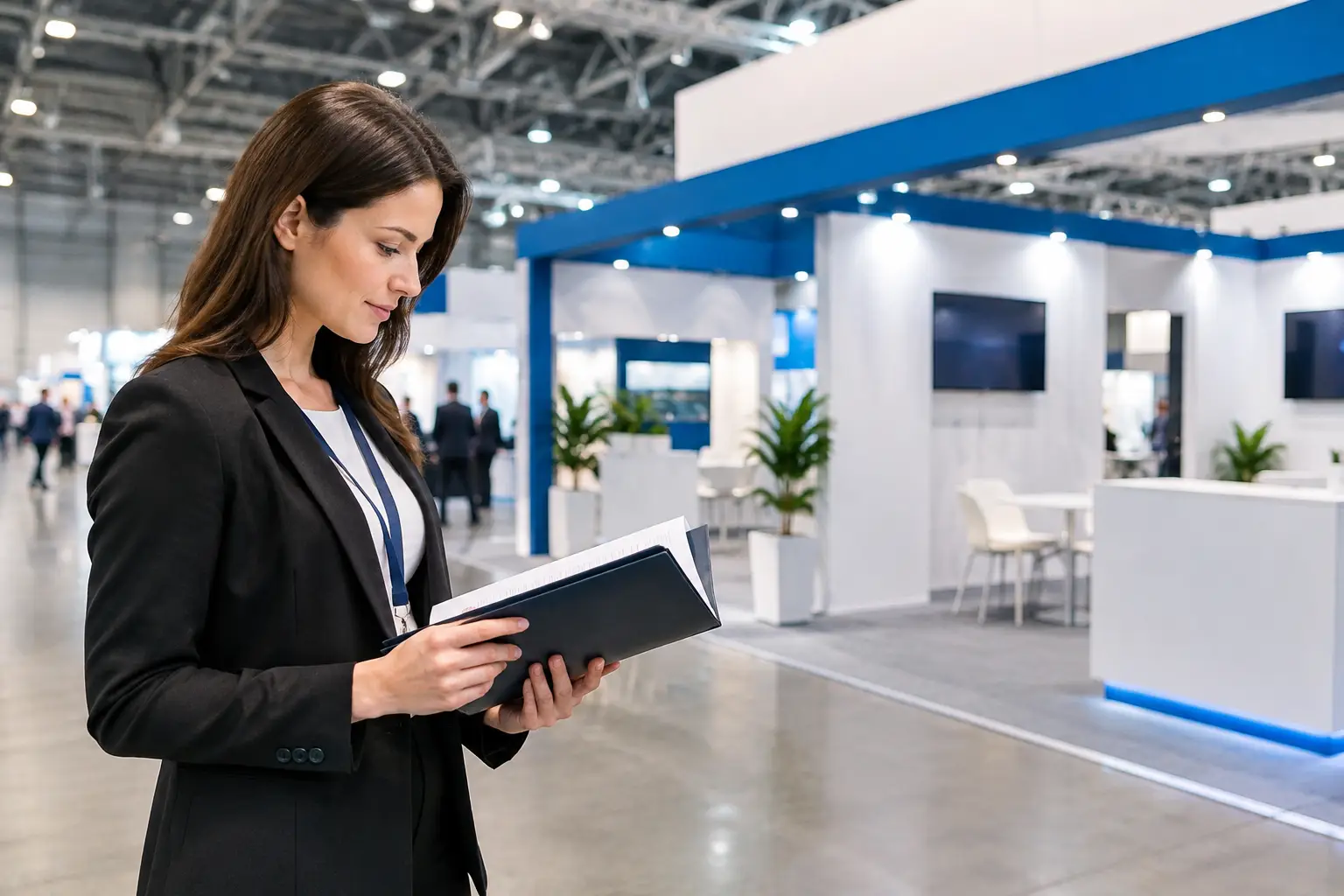

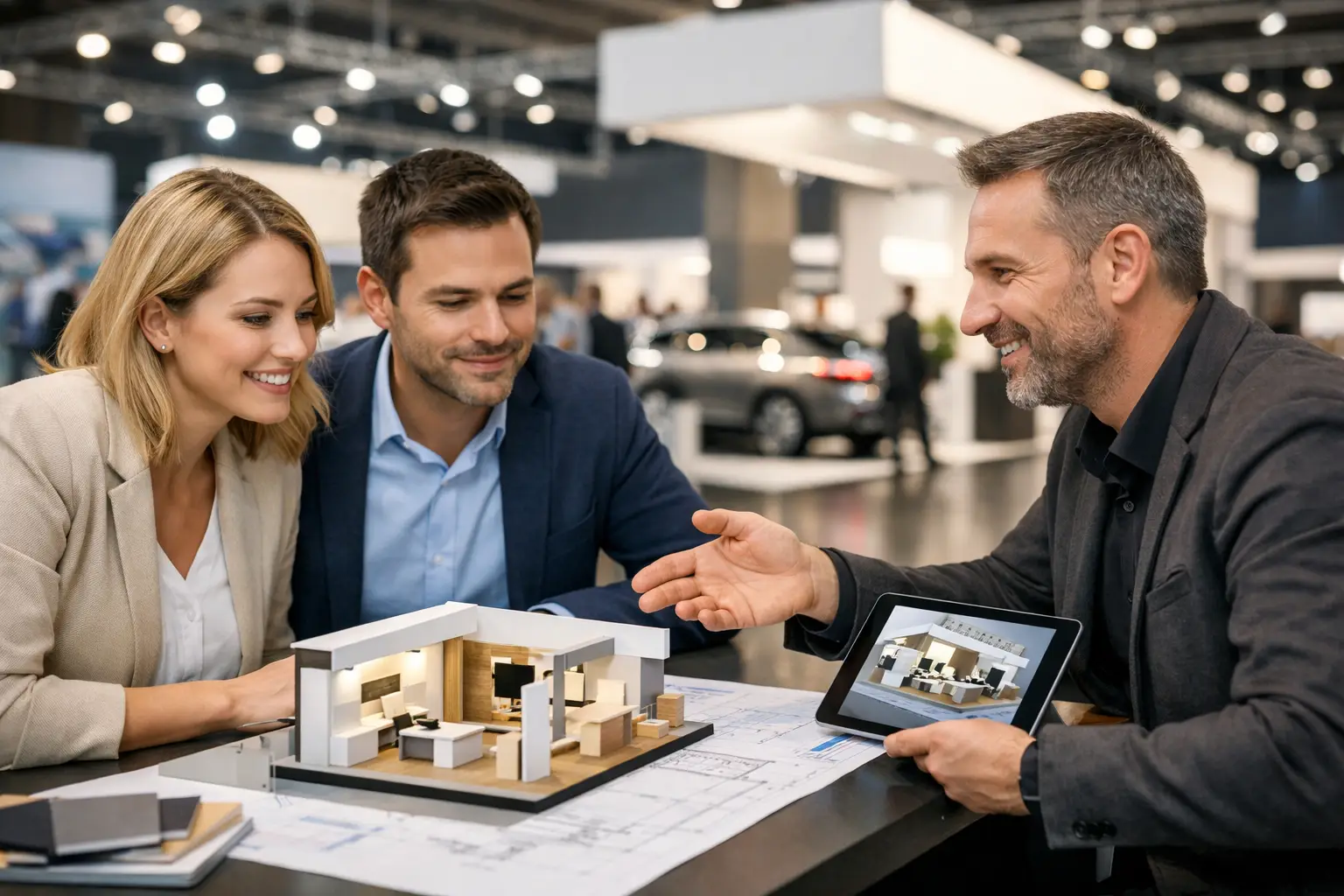

A search for a “dusseldorf exhibition stand contactor” is usually driven by a high-stakes deadline: your team has committed to a show, the floor plan is confirmed, and the stand must perform in front of international buyers. What you need is not simply a fabricator. You need a Dusseldorf exhibition stand contractor that can turn brand objectives into a buildable, compliant, and well-managed exhibit.
Dusseldorf is one of Europe’s most active trade fair cities, with major events spanning medical technology, manufacturing, packaging, retail, energy, and industrial sectors. The opportunity is significant, but so is the operational pressure. A stand that looks impressive in a render but arrives late, misses a venue requirement, or lacks the right visitor flow will not support your exhibition investment.
Start With the Outcome, Not the Stand Size
The most productive contractor conversations begin with commercial goals. Are you introducing a product, meeting distributors, demonstrating technical equipment, hosting private buyer meetings, or strengthening market visibility? Each objective changes the space plan.
A compact 30-square-meter stand can be highly effective when it has a clear message, strong product presentation, and a well-positioned meeting area. A larger footprint may be justified when your team needs multiple demonstration zones, hospitality, storage, or a visible architectural statement. More square footage is not automatically more impact. It has to earn its cost through better engagement and better-quality conversations.
Share practical information early: the event name, hall and stand number, floor plan, open sides, stand dimensions, height limits, event dates, product specifications, and expected staffing level. A dependable partner uses these details to develop a concept that works on the actual site, not only in a presentation.
What a Dusseldorf Exhibition Stand Contractor Should Manage
International exhibitors often underestimate how many moving parts sit behind a polished stand. Design and construction matter, but they are only part of the delivery. The contractor should be able to coordinate the project from initial concept through installation and dismantling, with clear ownership at every stage.
That includes 3D design, technical drawings, fabrication, graphics production, furniture, lighting, audiovisual integration, freight coordination, venue documentation, on-site supervision, and dismantling. If your stand includes an LED video wall, suspended signage, complex product displays, or a double-decker structure, the coordination requirement becomes even more demanding.
Ask whether these functions are handled in-house or passed through several vendors. A broad vendor chain can work, but it creates more handoffs and more room for delays or miscommunication. In-house design and production offer stronger control over finish quality, revisions, timeline management, and cost visibility.
Venue Knowledge Protects the Schedule
Exhibition halls operate on fixed access windows and detailed technical rules. Build-up schedules, electrical orders, rigging permissions, fire-retardant material requirements, waste removal, and safety approvals all affect the final build. A contractor with relevant European venue experience understands that the project is won before the crew arrives if the paperwork, technical planning, and logistics have been handled properly.
This is especially important for exhibitors managing teams from the United States or other overseas markets. Your marketing team should be focused on appointments, product readiness, and sales enablement, not trying to resolve an installation issue from another time zone.
Evaluate the Design for Business Use
A custom stand should not be judged by visual impact alone. The right question is whether the design helps visitors understand why they should stop, stay, and speak with your team.
At a busy show, the first few seconds matter. Your company name, product category, and primary message should be visible from the relevant approach routes. From there, the layout needs to move visitors naturally toward demonstrations, displays, or conversations. A beautiful facade with no clear entry point can make a stand feel less welcoming than intended.
For technical brands, product access and explanation deserve priority over decorative elements. For a premium consumer-facing brand, materials, lighting, and visual storytelling may carry more weight. For government bodies and trade groups, a country pavilion needs a cohesive identity while giving individual exhibitors fair visibility. The best approach depends on who you need to attract and what they need to do once they enter.
Private meeting rooms are another common decision point. They support confidential negotiations and senior-level discussions, but too many enclosed rooms can reduce energy on the show floor. A skilled contractor will balance privacy with openness rather than applying the same layout to every brief.
Budget Transparently for the Full Project
A low initial stand quote can be misleading if it excludes major delivery elements. Before comparing proposals, make sure each scope addresses the same requirements. The relevant total is not just the construction cost. It is the delivered cost of exhibiting with the stand you approved.
Request clarity on design, production, graphics, flooring, electricity, furniture, audiovisual equipment, installation labor, logistics, on-site supervision, dismantling, and post-show handling. Also ask what happens if the venue changes an access slot or if a last-minute graphic update is needed. The answers reveal how responsive and commercially transparent a contractor will be under pressure.
Modular elements can help control cost, particularly for brands that exhibit frequently across Europe. Reusable structural components reduce waste and can speed up future adaptations. However, modular does not have to mean generic. With purposeful architecture, custom graphics, branded fixtures, and good lighting, a reusable system can still create a premium presence.
Fully custom construction makes sense when the launch, audience, footprint, or brand position calls for a distinctive environment. The trade-off is that it requires more design development, fabrication planning, and budget discipline. Neither route is inherently better. The right decision is the one aligned with the show’s commercial value and your longer-term exhibition calendar.
Questions That Reveal a Dependable Partner
Portfolio images are useful, but they are not enough. Use your initial discussions to understand how the contractor works when deadlines tighten or requirements change. Ask for examples relevant to your stand type, whether that is a compact custom booth, a large island stand, a double-decker build, or a multi-brand pavilion.
A strong proposal should answer five practical questions:
- Who is accountable for the project from approval through dismantling?
- What is included in the quoted scope, and what is billed separately?
- How will technical approvals, site access, and installation schedules be managed?
- What quality checks happen before the stand reaches the venue?
- Who is available on-site if an issue requires immediate action?
Pay attention to the quality of the questions you receive in return. A detail-oriented contractor asks about your audience, products, sales process, brand guidelines, and operational constraints. That is a sign they are designing for results rather than selling a standard structure.
Plan Early Enough to Make Good Decisions
The closer the show date gets, the fewer choices remain. Early engagement gives your team time to challenge the layout, refine messaging, compare materials, and confirm technical requirements without rushing decisions. It also makes it easier to coordinate marketing assets, product samples, staffing needs, and meeting schedules around the stand design.
For international programs, an end-to-end partner can reduce the friction of coordinating design in one country, fabrication in another, and installation at the venue. LemonTree Exhibitions brings this model to global exhibition programs, combining creative stand concepts with controlled production, logistics coordination, and on-site execution.
The most valuable contractor relationship is not defined by a single attractive render. It is defined by confidence on opening morning: the stand is finished to standard, your products are displayed correctly, your team knows where to work, and visitors immediately understand why they should come inside.