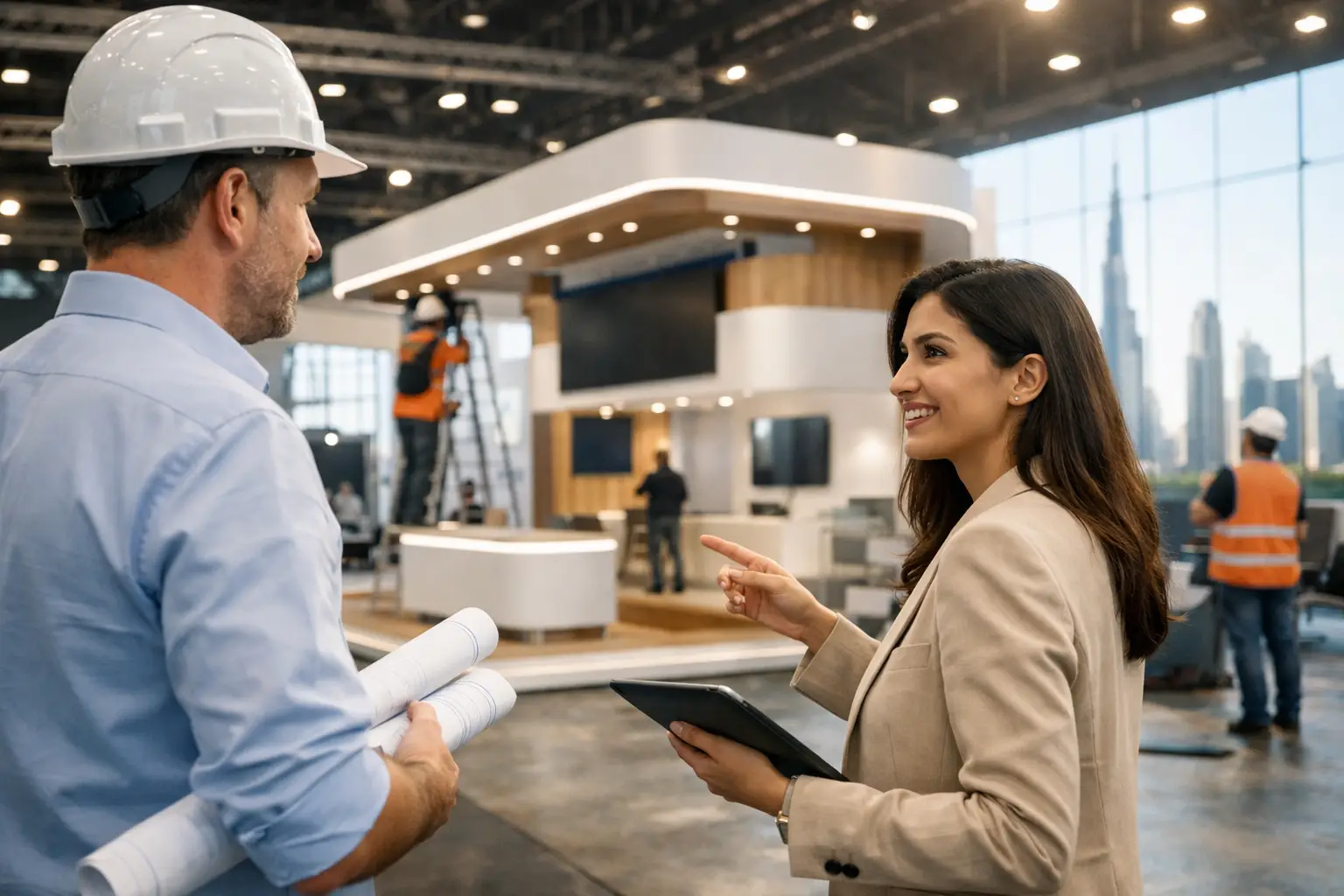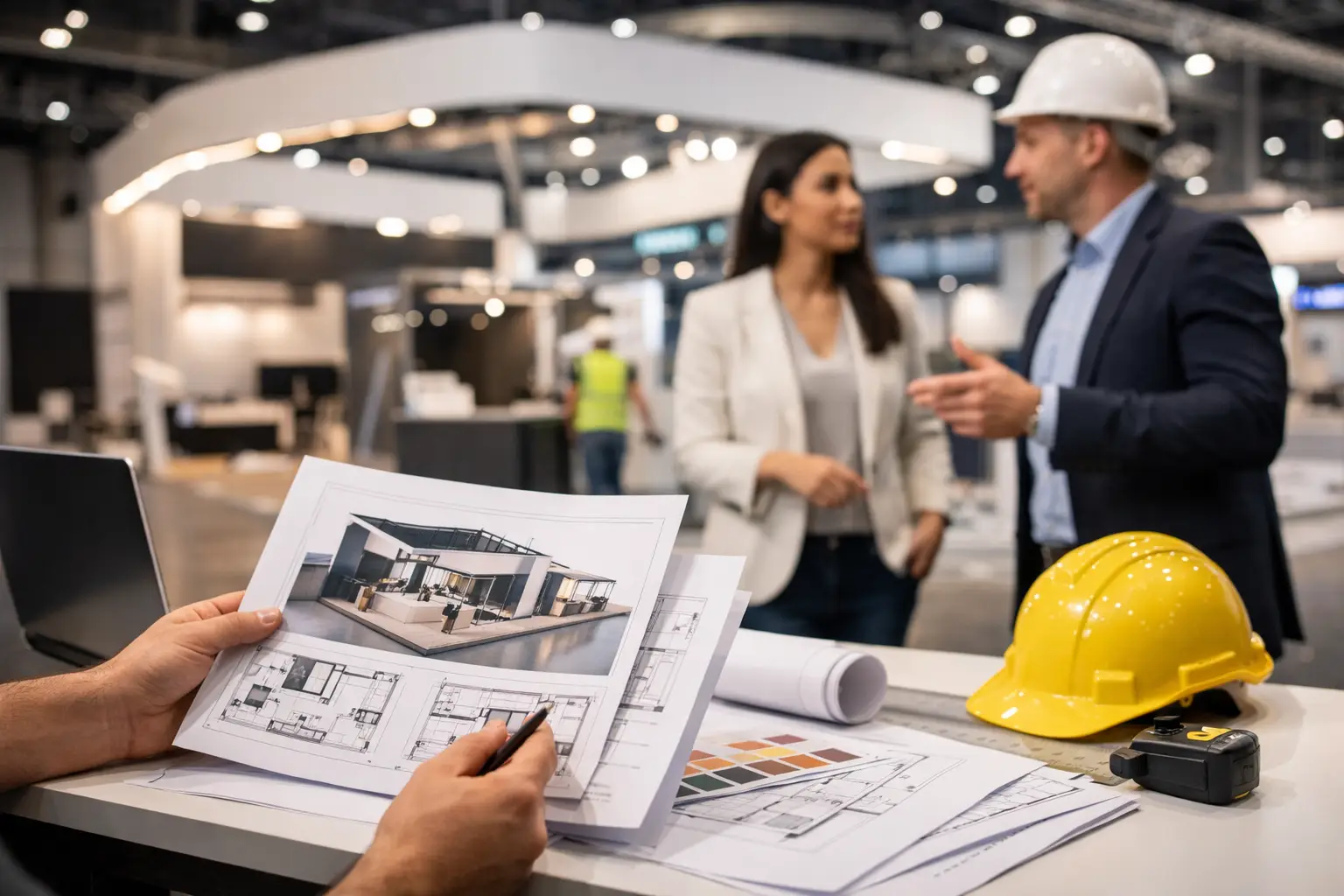

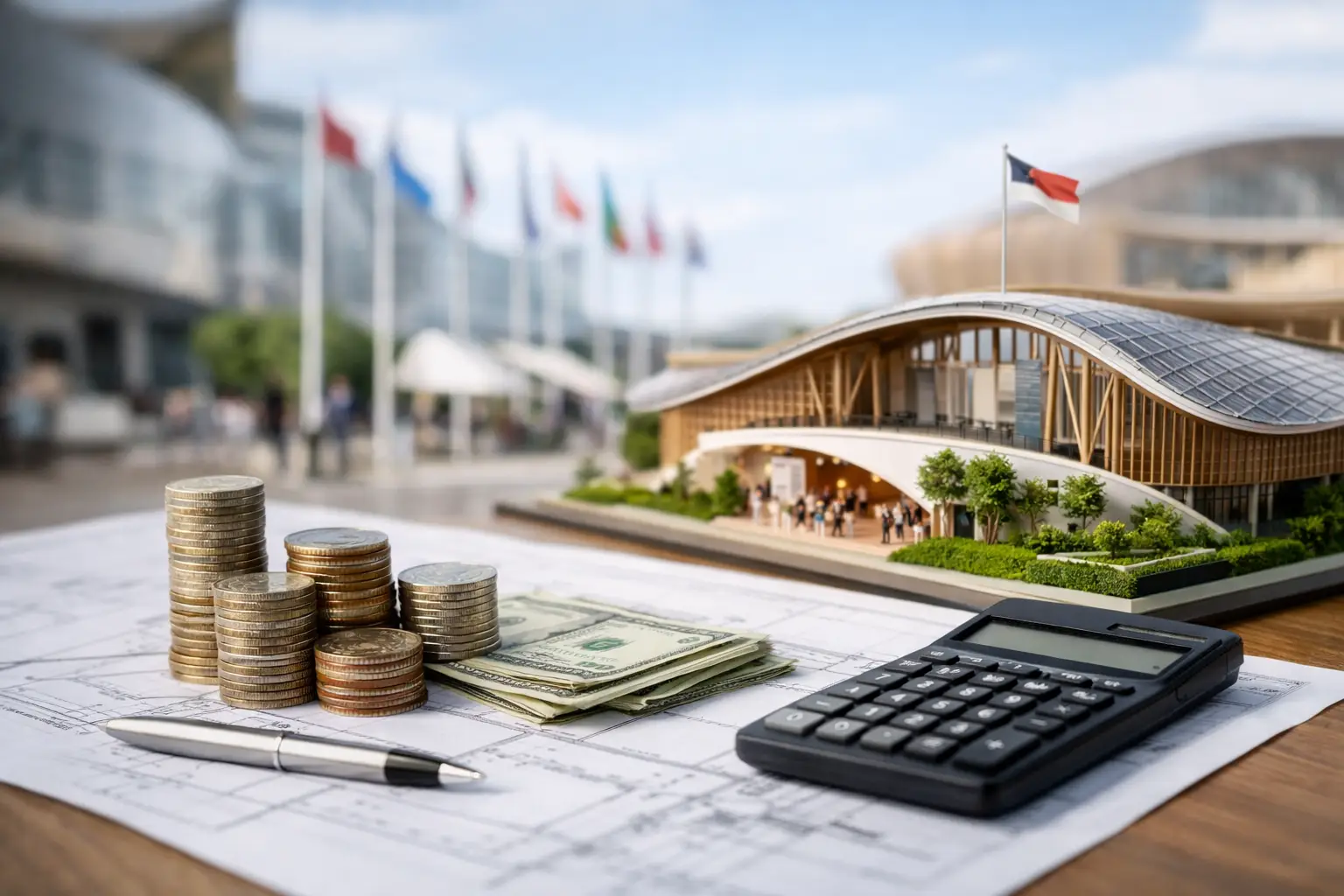

A country pavilion can look like a single exhibition presence, but the budget behaves more like several projects rolled into one. If you’re asking how much does country pavilion cost, the honest answer is that pricing can range from modest and highly efficient to premium and complex very quickly – because you’re not just building space, you’re coordinating multiple exhibitors, a shared identity, visitor flow, branding standards, and event logistics under one roof.
For government trade bodies, export councils, and industry groups, that complexity is exactly why early budgeting matters. A pavilion is expected to represent a country, sector, or trade mission at a professional standard. It needs to attract traffic, support meetings, give each exhibitor visibility, and still feel unified. Cost is shaped by how well those priorities are balanced.
How much does country pavilion cost in real terms?
In most exhibition markets, a country pavilion can start around $150 to $300 per square meter for a very basic shell-scheme-led setup with shared graphics, simple furniture, and limited custom fabrication. A more polished custom pavilion often lands in the $350 to $700 per square meter range. Premium pavilions with strong architectural styling, integrated technology, hospitality zones, storage, private meeting rooms, and high-end finishes can move beyond $800 per square meter and, in some venues, exceed $1,000 per square meter.
Those ranges are broad for a reason. A 90 sqm pavilion with standardized exhibitor pods is a different commercial exercise from a 300 sqm national showcase at a major international trade fair. The first may be primarily functional. The second may need bold branding, media integration, VIP hosting, and heavy coordination with multiple stakeholders.
A practical example helps. If your pavilion is 120 sqm and the brief is clean, modular, and efficient, the total build and fit-out budget may sit somewhere between $42,000 and $72,000. If the same footprint requires stronger architecture, custom joinery, premium finishes, LED walls, and dedicated meeting spaces, the cost could move closer to $90,000 or more. The square meter rate matters, but the real driver is what has to happen inside that footprint.
What drives country pavilion cost the most?
The biggest factor is design complexity. A pavilion with simple open booths, shared fascia branding, basic counters, and rented furniture will naturally cost less than a fully custom environment with suspended signage, reception features, product displays, enclosed offices, and hospitality counters. Every custom detail affects material, labor, production time, and installation planning.
The second major factor is the number of participating exhibitors. More exhibitors usually mean more counters, more branded zones, more lockable storage, more power points, and more conversations to manage during design approval. A pavilion for six brands can be streamlined. A pavilion for twenty brands usually needs stricter space planning and stronger project management.
Venue rules also have a direct impact on price. Exhibition halls vary widely on rigging permissions, build height limits, flooring regulations, electrical approvals, fire compliance, loading access, and installation windows. Costs rise when venue restrictions force special engineering, overnight installation, or more labor on-site.
Then there is geography. Building a pavilion in Dubai, Riyadh, Mumbai, Las Vegas, or Frankfurt does not involve the same labor rates, logistics costs, or venue service charges. Shipping and customs can also make a major difference, especially when components are being moved internationally instead of fabricated locally.
The line items most buyers overlook
When people ask how much does country pavilion cost, they often focus only on design and construction. That is only part of the budget. A pavilion normally includes several operational layers that should be priced early.
Graphics are one of them. Large-format branding across a pavilion, especially when each exhibitor has unique messaging, can become a meaningful cost center. Last-minute artwork changes make that even more expensive.
Electricals are another. General hall power, spotlighting, display lighting, socket distribution, pantry power, screen connectivity, and hidden cable management can add up fast. Technology-heavy pavilions feel premium, but they need clean execution behind the scenes.
Furniture and AV are often underestimated too. Shared lounges, meeting tables, bar stools, lockable cabinets, refrigerators, touchscreens, LED walls, and presentation equipment all affect budget. Rentals help manage cost, but premium rental inventories in busy exhibition seasons can still be significant.
Staffing, cleaning, storage, and maintenance should also be considered. If the pavilion runs for several show days with multiple hosted meetings, on-site support becomes part of protecting the investment.
Basic, mid-range, and premium pavilion budgets
A basic country pavilion is typically designed for participation efficiency. It gives each exhibitor a clear branded area, basic furniture, standard lighting, and practical storage. This works well when the goal is to maximize exhibitor count within a controlled budget. The trade-off is that the pavilion may not create a strong architectural statement from a distance.
A mid-range pavilion usually offers the best balance for most trade bodies and organized delegations. It combines custom branding, stronger visitor circulation, better material finishes, shared hospitality, and more polished meeting areas. This is often the right level when a pavilion needs to look credible and competitive without becoming overbuilt.
A premium pavilion is more than stand space. It becomes a national brand environment. These pavilions often feature signature structures, immersive product storytelling, integrated screens, premium flooring, hospitality counters, VIP spaces, and layered lighting design. They are powerful when the exhibition itself is strategically important, but they require stronger planning discipline and a larger production budget.
How to control costs without making the pavilion look cheap
The smartest way to manage budget is not to cut visible quality at the last minute. It is to simplify the concept early while protecting the parts that shape perception. Good pavilion planning starts by separating what truly drives visitor impact from what only adds production cost.
For example, strong overhead branding, a clear central message, organized exhibitor zoning, and well-lit graphics usually do more for visibility than excessive decorative detailing. Likewise, one high-quality shared hospitality area often performs better than several cramped meeting corners.
Modularity is another cost control lever. If the pavilion is designed with repeatable exhibitor units, shared structural elements, and reusable framework, production becomes more efficient. This matters even more for organizations exhibiting across multiple shows in different markets.
Local fabrication can also reduce transport and customs exposure. For international events, working with an exhibition partner that manages design, production, logistics, installation, and dismantling under one system often prevents expensive coordination gaps. That operational control matters just as much as the visual design.
When a lower quote is not actually cheaper
Country pavilion procurement often attracts a wide spread of quotations. A low number can look appealing until you see what has been excluded. Some proposals price the visible structure but leave out venue handling, graphics updates, electrical distribution, furniture upgrades, storage, or on-site support. Others allow little room for stakeholder revisions, which is risky in multi-exhibitor projects.
A dependable quote should make clear what is included, what is rented, what is custom-built, what depends on final venue approvals, and what may change if the exhibitor count changes. That transparency protects both budget and delivery timeline.
This is where experienced execution teams have an advantage. A country pavilion is not just a stand build. It is a managed environment with many moving parts and limited room for delays. Companies such as LemonTree Exhibitions, which handle design, fabrication, logistics, and on-site delivery in-house, typically help clients avoid the hidden cost of fragmented execution.
How much does country pavilion cost if you plan early?
Usually less than if you plan late. Early planning gives you better control over design decisions, material choices, fabrication schedules, graphics coordination, and logistics. It also reduces the expensive pattern of approving a concept quickly and then fixing avoidable issues close to move-in.
If you are budgeting for a future pavilion, the most useful starting point is not asking for one number. It is defining the pavilion size, exhibitor count, show location, functional zones, and quality level you need. Once those are clear, the cost becomes much easier to estimate accurately.
A well-planned country pavilion should not only fit the budget. It should make every exhibitor look stronger, make meetings easier to run, and give your delegation a confident presence on the show floor. That is where the real return begins.