

Las Vegas does not forgive weak booth execution. If your stand arrives late, looks different from the approved design, or creates bottlenecks during setup, the show floor moves on without you. That is why choosing the right exhibition contractor Las Vegas is not a routine vendor decision. It is a brand, budget, and operations decision that affects how your company shows up in front of buyers, partners, and press.
For marketing teams, procurement managers, and business owners, the challenge is rarely finding a contractor. Las Vegas has plenty. The real question is which partner can design a strong booth and then deliver it under venue rules, tight timelines, and live-event pressure. Good exhibition work is equal parts creativity and control. You need both.
What an exhibition contractor in Las Vegas actually does
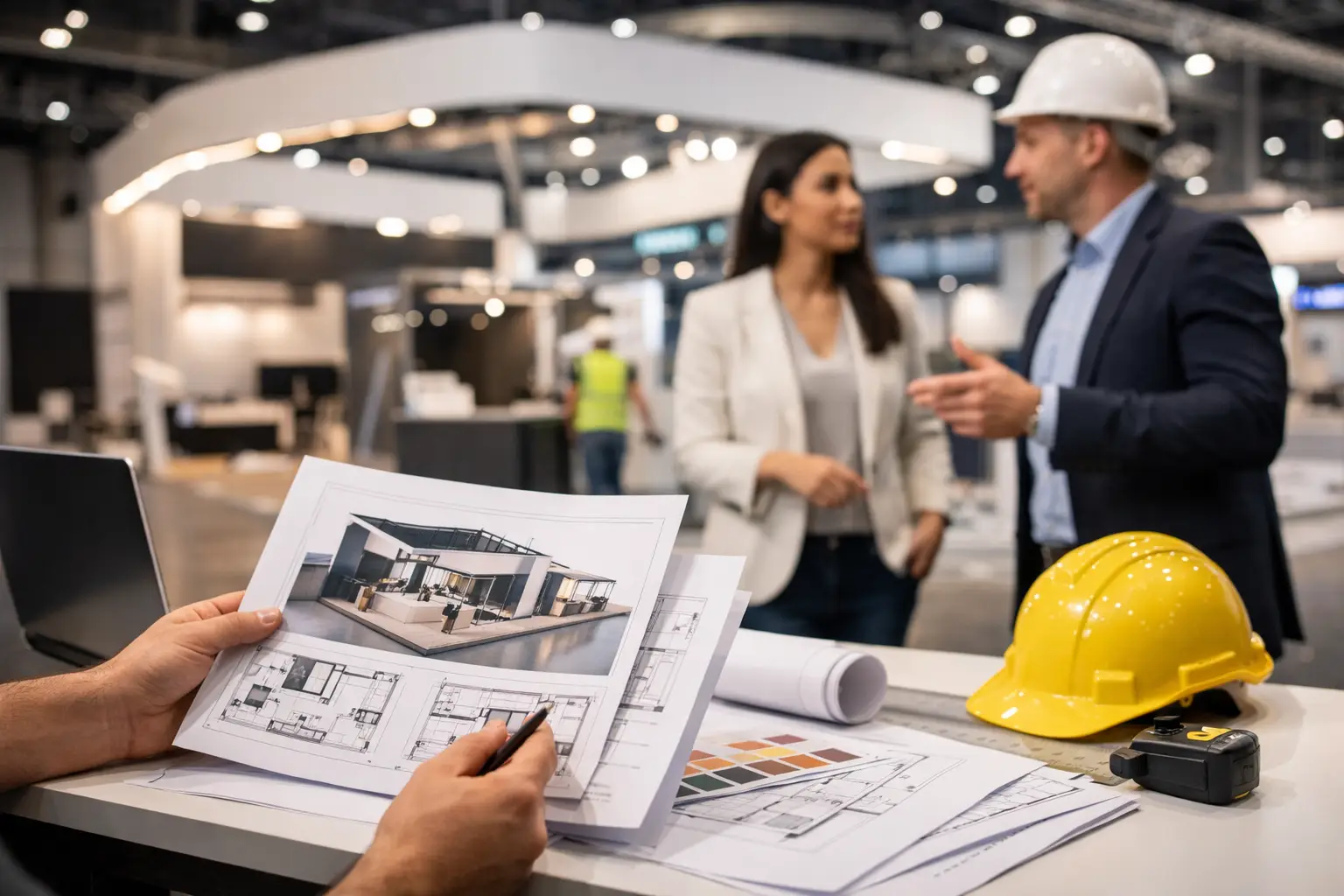
A serious contractor does much more than build walls and print graphics. They translate business goals into a physical environment that attracts traffic, supports conversations, and reflects brand quality. That can include concept design, 3D renders, engineering, fabrication, graphics production, logistics, installation, dismantling, and project management.
In Las Vegas, those responsibilities become even more demanding. Major venues have strict move-in windows, technical regulations, union considerations, and loading dock schedules. A contractor that performs well in one market may still struggle here if they are not disciplined on execution. Great design is only valuable when it survives real-world constraints.
That is why experienced exhibitors usually look beyond appearance alone. A booth can look impressive in a proposal and still fail on cost control, material finish, lighting balance, visitor flow, or setup timing. The best contractors understand the entire lifecycle of the project, not just the visual pitch.
Why Las Vegas is a different kind of exhibition market
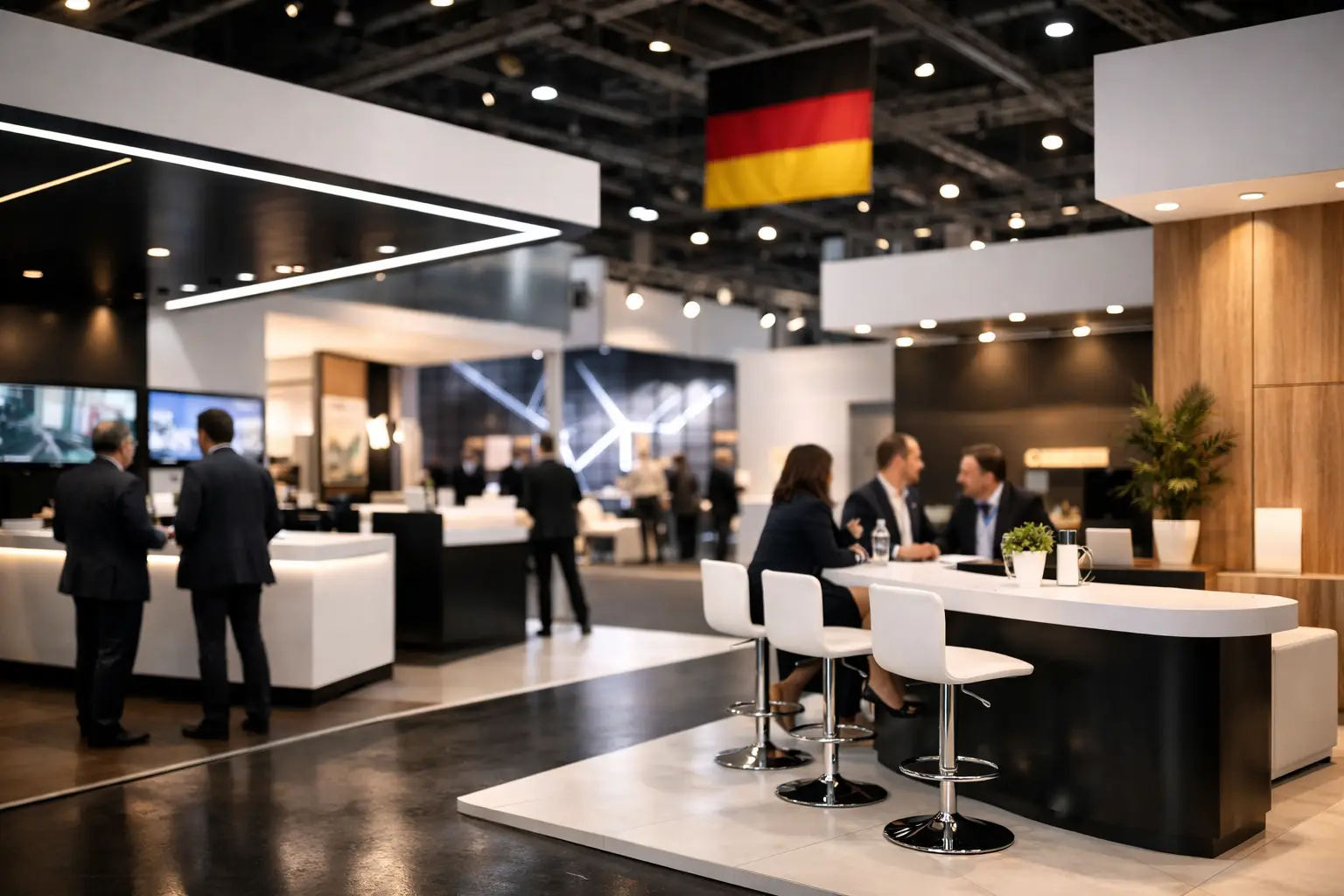
Las Vegas hosts some of the busiest and most competitive trade shows in the US. Buyers arrive with limited time and too many booths to visit. Your stand has seconds to signal credibility. At the same time, the city’s exhibition infrastructure is built for scale, which means precision matters.
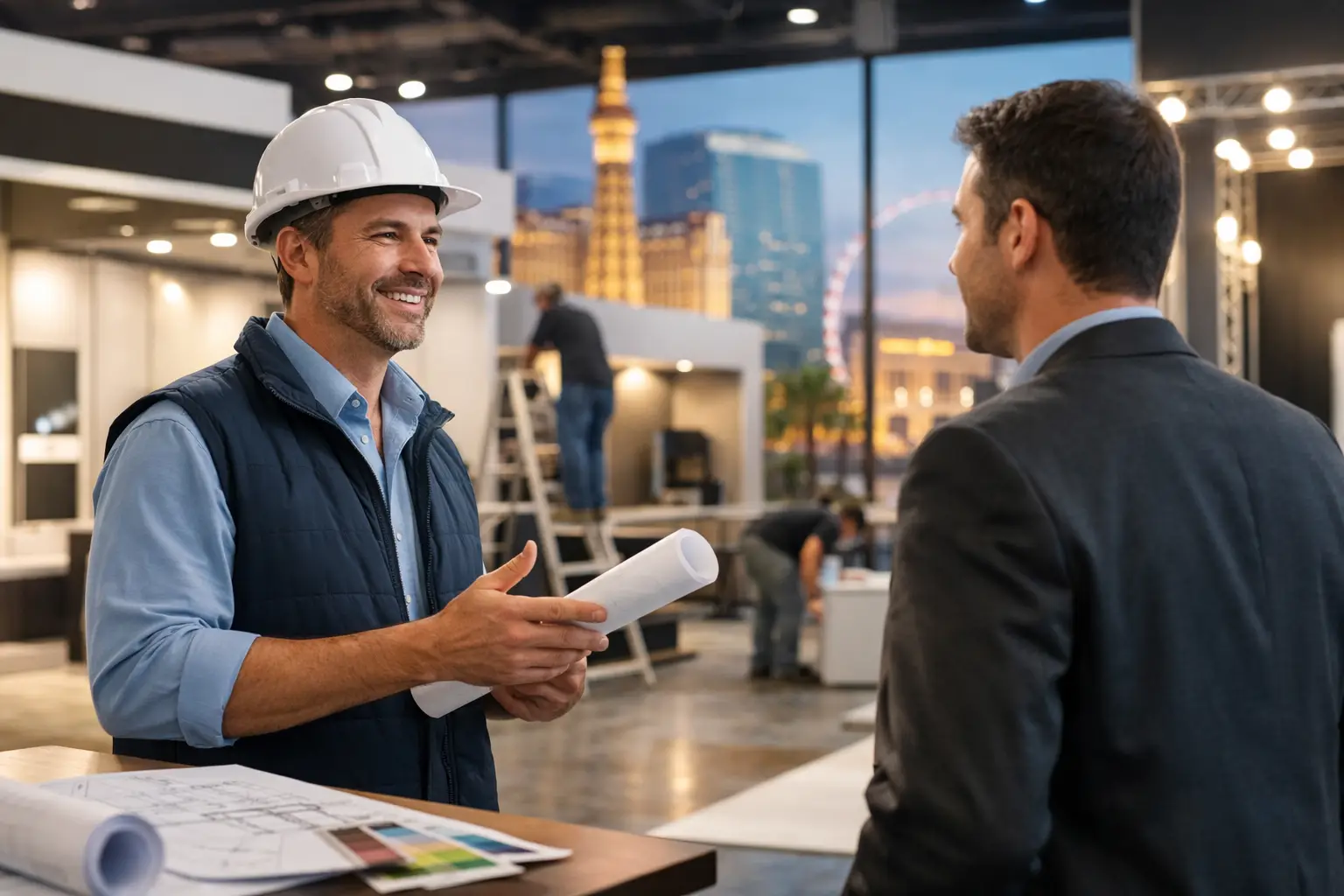
A local or well-prepared exhibition contractor Las Vegas should be comfortable working within fast turnaround environments and large-format exhibition halls. They should know how to manage materials, manpower, and approvals without drama. If your company is traveling in from another state or from overseas, this becomes even more important because you cannot afford miscommunication when your internal team is already juggling travel, meetings, and product launches.
There is also a cost trade-off to consider. Las Vegas can reward ambitious builds, especially for product-heavy sectors like technology, automotive, manufacturing, and energy. But bigger is not always better. A well-planned 20×20 booth with clean messaging and smart meeting areas can outperform a larger stand that feels cluttered or generic. A dependable contractor should help you right-size the booth rather than simply upsell more structure.
How to evaluate an exhibition contractor Las Vegas
Start with project management discipline. Ask how they handle timelines, revisions, approvals, and installation schedules. You want clear ownership, not vague promises. If the contractor cannot explain their process from design kickoff to dismantle, that is usually a warning sign.
Next, examine fabrication capability. Some companies design attractively but outsource too much of the production chain, which can create quality gaps and delays. In-house production often gives better control over finish quality, faster adjustments, and tighter budgeting. It does not automatically make a contractor better, but it does reduce the number of variables.
Then look at the portfolio with a practical eye. Do not just ask whether the booths look good. Ask whether the work shows range. Can they deliver premium custom stands, double-decker structures, country pavilions, and mid-size booths with equal care? Can they adapt to different industries? A pharma exhibitor and a consumer brand may need very different forms of storytelling, traffic management, and compliance.
Responsiveness matters just as much as design talent. During exhibition planning, details change constantly. Graphic files are updated, products are swapped, meeting spaces are reconfigured, and budgets are revised. You need a contractor who stays calm, answers quickly, and solves problems without making the client chase them.
Questions worth asking before you sign
A strong proposal should answer practical concerns before you have to raise them repeatedly. Ask who will manage your account day to day, what parts are built in-house, and how contingency planning is handled if there is a production or logistics issue.
You should also ask about material choices and reuse options. Not every exhibitor needs a fully one-time build. If your brand exhibits across multiple shows, modular elements or repurposed structures may improve long-term value without sacrificing visual impact. This is especially relevant for companies balancing premium presentation with tighter annual event budgets.
Budget transparency is another major filter. Low initial quotes can become expensive once hidden production, graphics, handling, or on-site change costs appear. A reliable contractor should break down what is included, what may vary, and where the budget is most sensitive. Honest conversations early are much cheaper than last-minute fixes on the show floor.
Design that performs, not just decorates
The most effective stands in Las Vegas are not merely attractive. They are organized around visitor behavior. Where will people stop? What will they notice first? Is there enough openness to invite entry without losing space for sales conversations? Can your team hold private meetings without making the booth feel closed off?
This is where experience shows. A detail-oriented contractor thinks about sightlines, lighting, screen placement, storage, hospitality, and product display as one connected system. If the booth is visually bold but hard to navigate, it will not perform well. If it is functional but forgettable, it will not generate the attention you are paying for.
For some brands, a double-decker stand makes sense because it creates stronger presence and gives sales teams a quieter upper-level meeting zone. For others, it adds cost without enough return. The right answer depends on your show goals, target audience, and floor position. Good contractors do not force one formula on every client.
Cost, speed, and quality – you usually balance all three
Every exhibitor wants a booth that is premium, fast, and cost-efficient. In practice, there is always a balance. If your timeline is compressed, production costs may rise. If your budget is tight, you may need to simplify structural elements while protecting visible brand impact. If quality is non-negotiable, some shortcuts should be off the table.
This is why experienced teams appreciate contractors who give trade-offs clearly. It is better to hear, “We can reduce cost by changing these finishes while keeping the main facade strong,” than to receive a vague yes to every request. Straight answers build trust.
For international exhibitors entering the US show market, this guidance is even more valuable. You may already have a global booth concept, but local adaptation is often necessary for venue requirements, audience expectations, and shipping realities. A contractor with both design ambition and operational discipline can protect the concept while making it executable.
What strong execution looks like on show week
The best contractor-client relationships feel calm during the most stressful phase. By show week, drawings should be approved, graphics checked, materials ready, and responsibilities clear. The installation crew should not be improvising core decisions onsite.
Strong execution means the booth reflects the approved concept, finishes are clean, lighting works as intended, and practical details are handled before your team arrives. Storage is where it should be. Screens function. Meeting counters are not blocked by crates. Branding is aligned and readable. These details sound small until one of them fails in front of customers.
This is where established exhibition partners stand apart. Companies that manage design, fabrication, logistics, installation, and dismantling under one coordinated process tend to reduce friction. That control is part of why experienced brands work with full-service partners such as LemonTree Exhibitions when they need consistency across markets and confidence on site.
Choosing for the long term, not just one event
A booth project may start with one Las Vegas show, but the smarter decision is to think beyond a single event. If your company exhibits regularly, the contractor should be able to support scale, repeatability, and evolution. One year you may need a compact custom stand. The next year you may need a larger footprint, stronger AV integration, or a pavilion-style environment.
A dependable exhibition partner grows with your event strategy. They learn your brand standards, understand your approval process, and help you make better choices over time. That creates better outcomes than restarting with a new vendor for every show.
When you choose an exhibition contractor in Las Vegas, you are not just hiring a builder. You are choosing the team that will shape how your brand appears when the stakes are high and the competition is a few feet away. Pick the partner that can think creatively, work precisely, and stay accountable when the clock is running.