

When your booth crates arrive on-site, the design phase is over and the real test begins. Trade show booth installation services are where deadlines tighten, venue rules get serious, and small execution mistakes suddenly become very visible. A strong concept can still underperform if the build is late, poorly finished, or managed by a team that treats installation like basic labor instead of a controlled brand delivery.
For marketing teams, procurement leads, and business owners, that distinction matters. Installation is not just about assembling walls and plugging in lights. It affects first impressions, exhibitor readiness, safety compliance, launch timing, staff confidence, and, ultimately, the return on your event investment.
What trade show booth installation services actually cover
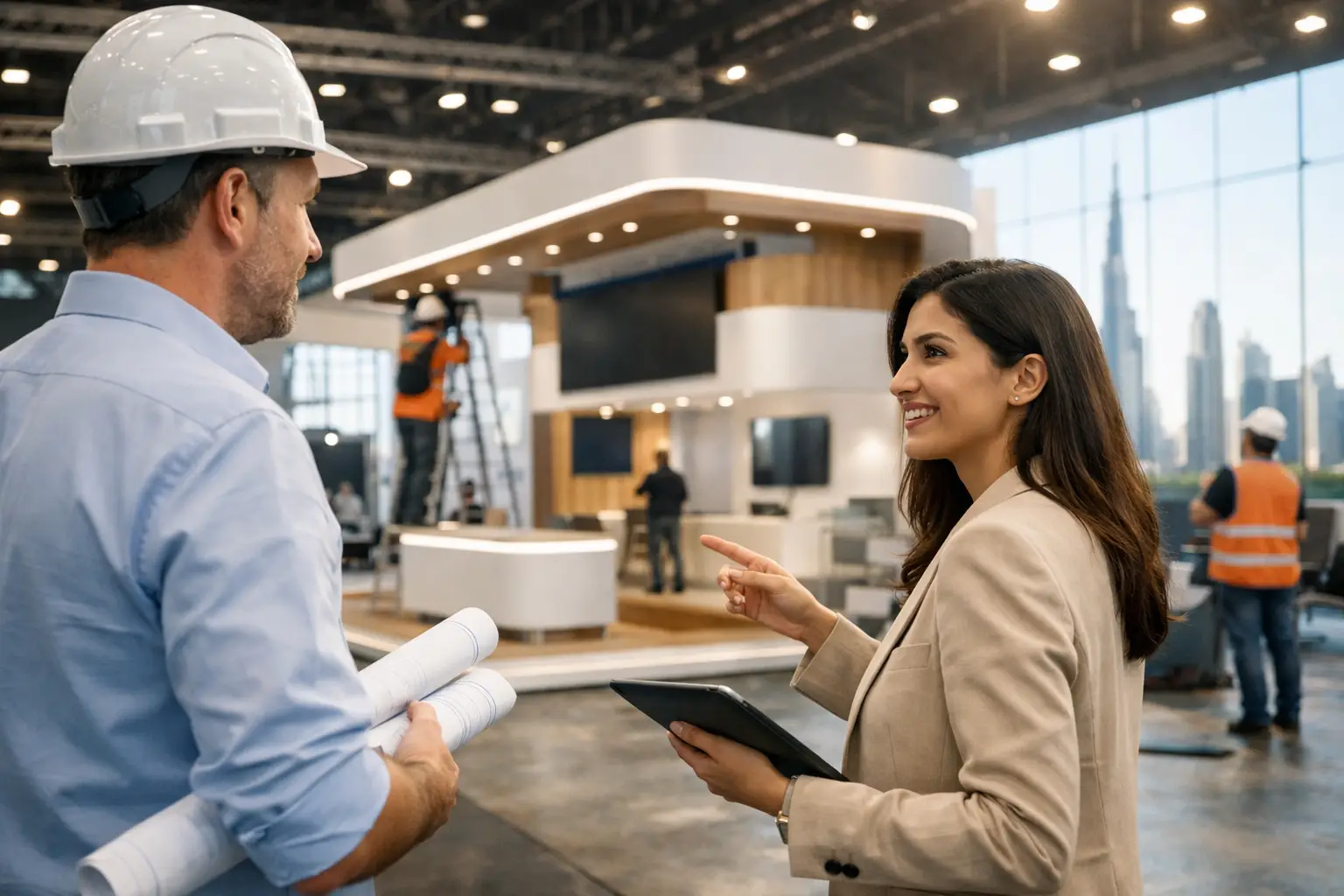
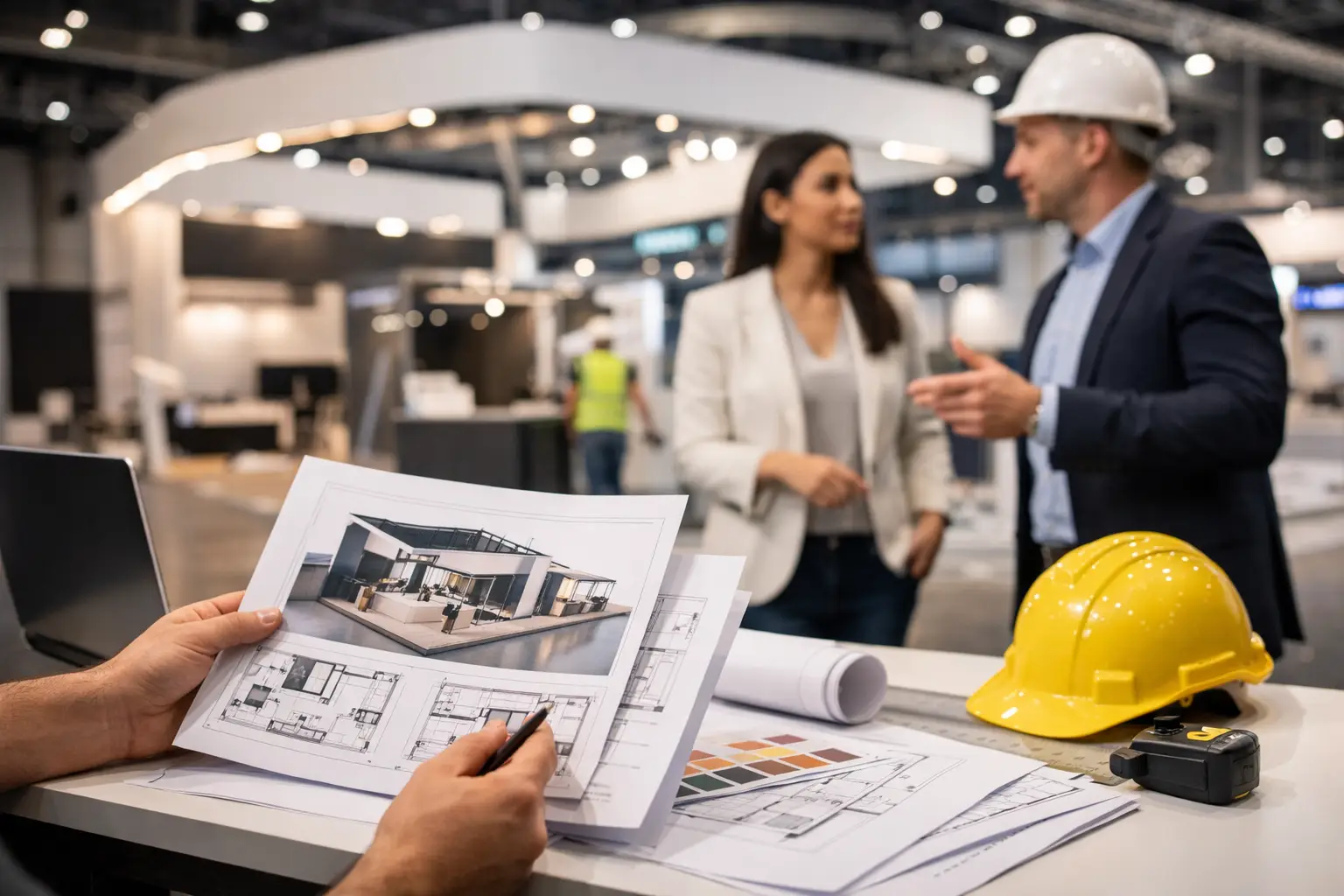
A lot of exhibitors assume installation starts when workers enter the hall with tools. In practice, the job starts much earlier. A dependable installation team reviews technical drawings, venue regulations, service orders, rigging requirements, power access, flooring conditions, loading dock schedules, and move-in windows before the first panel is unpacked.
That preparation is what separates controlled execution from expensive improvisation. If a team has not checked ceiling height restrictions, approved material guidelines, or hall access timing, the problem shows up on-site when the clock is already running.
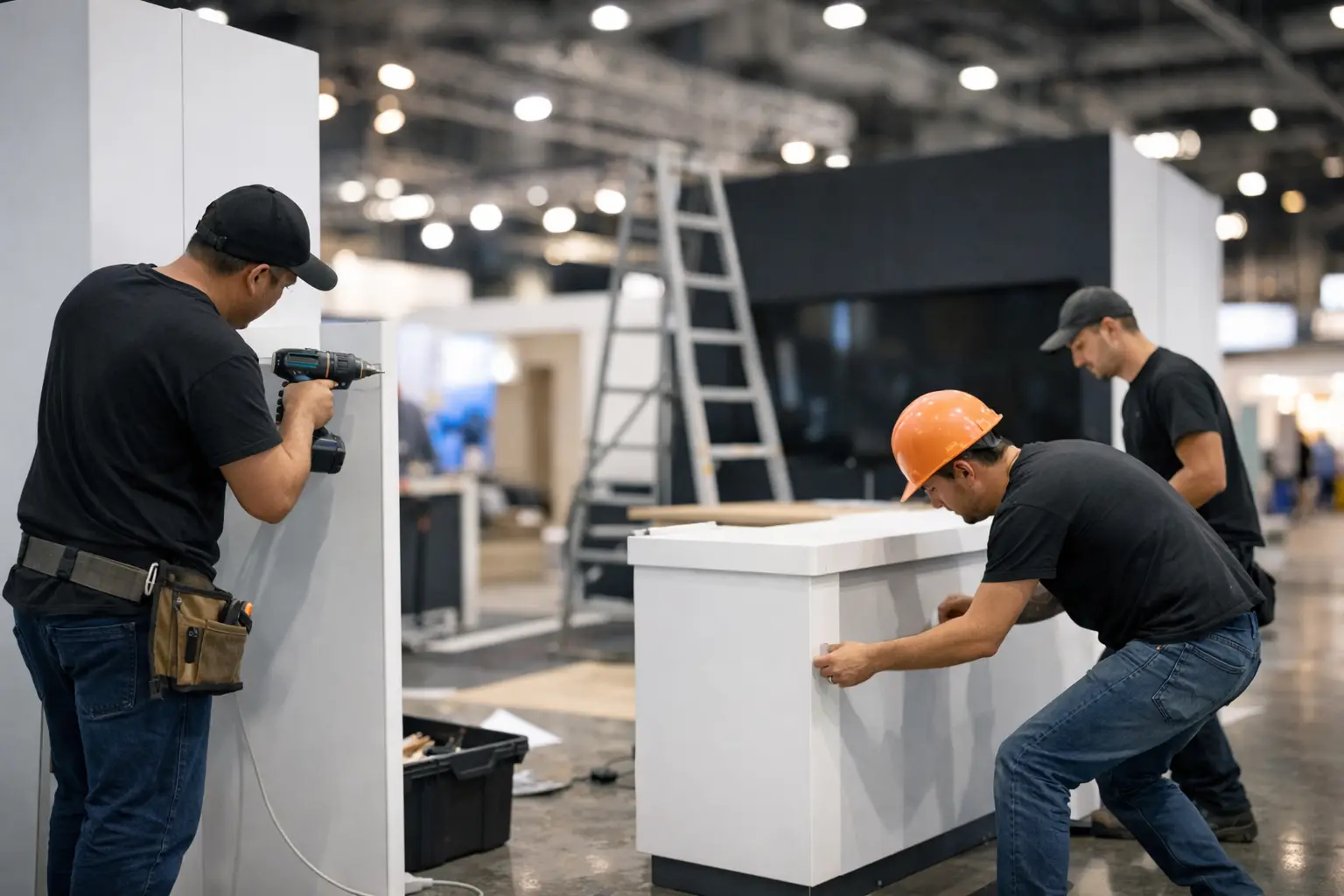
Good trade show booth installation services typically include booth assembly, electrical coordination, lighting placement, graphic fitting, AV setup support, furniture placement, final detailing, and site-level troubleshooting. Depending on the project, they may also cover supervision during move-in, coordination with show organizers, and dismantling after the event.
For larger exhibits, especially custom builds, double decker stands, or country pavilions, installation becomes even more complex. There are structural elements, sequencing issues, multiple vendor touchpoints, and stricter safety checks. In those cases, installation is a project management exercise as much as a physical build.
Why installation quality changes the outcome of your exhibit
Visitors may never know how much effort went into getting a booth ready. They will notice if the finish looks rushed, if graphics are misaligned, if screens fail at opening hour, or if the stand still looks incomplete when traffic starts.
That is why installation quality directly affects brand perception. A premium design loses impact if joints are uneven, flooring lifts at the edges, storage areas do not close properly, or lighting creates dark patches over key products. These are not cosmetic details. They influence how professional your brand feels in a competitive hall.
There is also the internal side of the experience. Your team needs time to prepare samples, test demos, brief staff, and walk the space before the show opens. When installation runs late, your people spend those final hours solving setup issues instead of preparing to sell.
The best installation teams protect that readiness window. They work backward from show opening, not forward from truck arrival.
The hidden risks of choosing on price alone
Every exhibitor has a budget. That is real, and installation costs should be managed carefully. But if you compare vendors only by line-item price, you can miss the risks that do the most damage later.
A lower-cost crew may not include experienced supervision. They may rely on freelance labor unfamiliar with your structure. They may not account for rework, venue delays, equipment handling, or final detailing. On paper, the quote looks efficient. On-site, the gaps appear one by one.
This does not mean the highest-priced option is always the best. It means value comes from scope clarity, accountability, and execution control. A slightly higher investment in a disciplined installation partner often reduces waste, avoids penalties, and protects booth quality.
For brands exhibiting at major shows such as GITEX, ADIPEC, Gulfood, or Las Vegas events, that margin for error gets smaller. Tight move-in schedules and strict organizer rules leave very little room for teams that are learning on the job.
How to evaluate trade show booth installation services
If you are sourcing installation support, ask questions that reveal how the team works under pressure. Portfolio images are useful, but they do not tell you what happened on build day.
Start with process. Who manages the installation on-site? Is there a single point of contact? How is the handoff handled between design, fabrication, logistics, and installation? If those functions sit with different vendors, coordination risk goes up. If they are managed under one roof, problems are usually solved faster.
Next, look at experience with your type of booth. A small modular setup and a 100-plus-square-meter custom stand require different planning. So does a pavilion build with multiple stakeholders. The right partner should be able to talk through sequencing, approvals, and contingency planning in a way that feels specific, not generic.
It also helps to ask how they handle last-minute revisions. Trade shows are full of change. Graphics get updated, product displays arrive late, power requirements shift, and organizers revise technical guidelines. A good team stays responsive without letting changes derail the schedule.
Finally, ask what happens after installation. Do they complete snag checks? Do they support exhibitor walkthroughs? Are they available during the event for fixes or adjustments? Installation is not finished when the last tool is packed away. It is finished when the booth is fully ready for business.
Why in-house execution makes a difference
One of the biggest advantages in exhibition delivery is in-house control. When the same company handles design, production, logistics, and on-site installation, there is less friction between intent and execution.
That matters because booth problems are rarely isolated. A graphic issue may come from fabrication tolerances. A lighting issue may begin in design planning. A fitting problem may trace back to packing or transport. If each stage sits with a different vendor, responsibility becomes blurred. If the operation is integrated, solutions come faster and quality is easier to maintain.
This is where experienced full-service partners stand out. Teams with their own design studio, production workshop, and installation crews can forecast build realities much earlier. They know how a concept will behave on the show floor, not just how it looks in a presentation.
That operational discipline is especially valuable for brands exhibiting across multiple countries. Venue regulations, labor rules, transportation timelines, and show formats vary widely. What works in Dubai may need adjustments in Chicago or Riyadh. A partner with international delivery experience can anticipate those differences before they become costly surprises.
Timing, coordination, and the cost of last-minute pressure
The installation schedule is shaped long before move-in. If designs are approved late, production is compressed. If technical forms are submitted late, utility connections may be delayed. If shipping is poorly timed, installation crews lose productive hours waiting for materials.
That is why strong booth installation starts with realistic planning. The more complex the stand, the more important lead time becomes. Large custom booths, LED video walls, suspended elements, and double deck structures need more than a fast labor response. They need a build strategy.
There is always a trade-off between speed and flexibility. Some exhibitors want to hold creative decisions until close to the event. That can work on simple builds, but on larger projects it usually increases cost and risk. The better approach is to lock critical structural elements early, then allow controlled flexibility in graphics, messaging, and display details.
What good installation looks like on-site
You can usually spot a well-managed installation before the booth is finished. The site is organized. Materials are labeled. The build sequence is clear. The supervisor knows what is happening next and who owns each task. Problems are addressed quickly, without visible panic.
By contrast, weak installations often show the same warning signs: components are missing, labor is waiting for direction, final finishing is left too late, and exhibitors are pulled into decisions they should not have to make on the floor.
Good installation also includes restraint. Not every issue needs a dramatic fix. Experienced teams know when to adjust, when to escalate, and when to protect the design intent without slowing the schedule. That judgment is part of the service.
Choosing a partner, not just a crew
If your exhibition matters, installation should be treated as a strategic service, not a last-stage commodity. The right partner brings design awareness, fabrication knowledge, venue familiarity, and on-site control into one process. That combination protects both brand standards and event performance.
For companies exhibiting across high-stakes sectors such as manufacturing, pharma, energy, technology, and FMCG, that reliability is not a luxury. It is what keeps launch plans on track and ensures the booth opens as intended. This is why many exhibitors prefer full-service specialists such as LemonTree Exhibitions, where the creative vision and the on-site delivery are managed together rather than handed off in fragments.
When you evaluate trade show booth installation services, look beyond who can build fastest or cheapest. Look for the team that understands your timeline, your brand standards, and the pressure of show day. The best installation work is the kind your audience never notices – because everything feels ready, polished, and exactly where it should be.