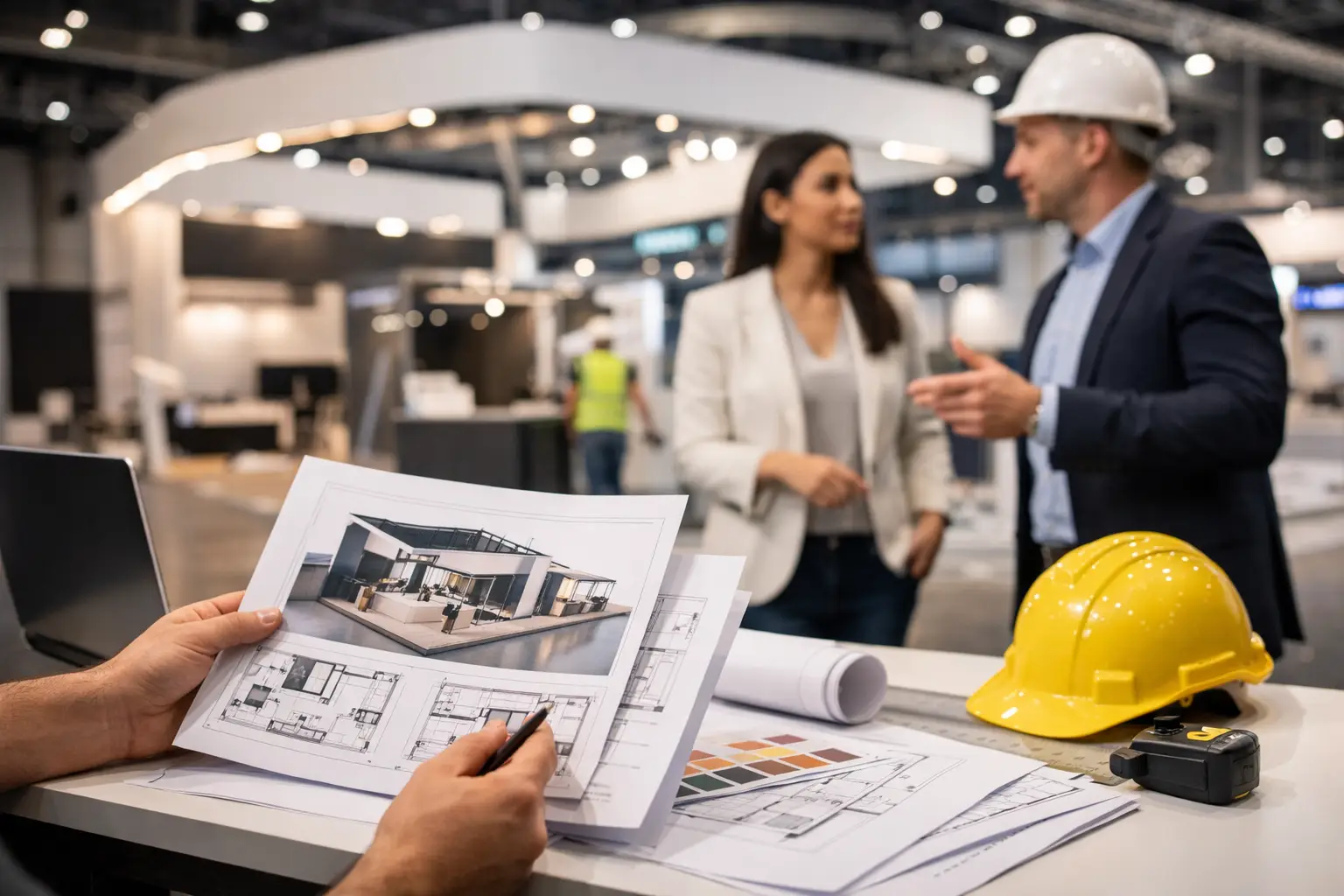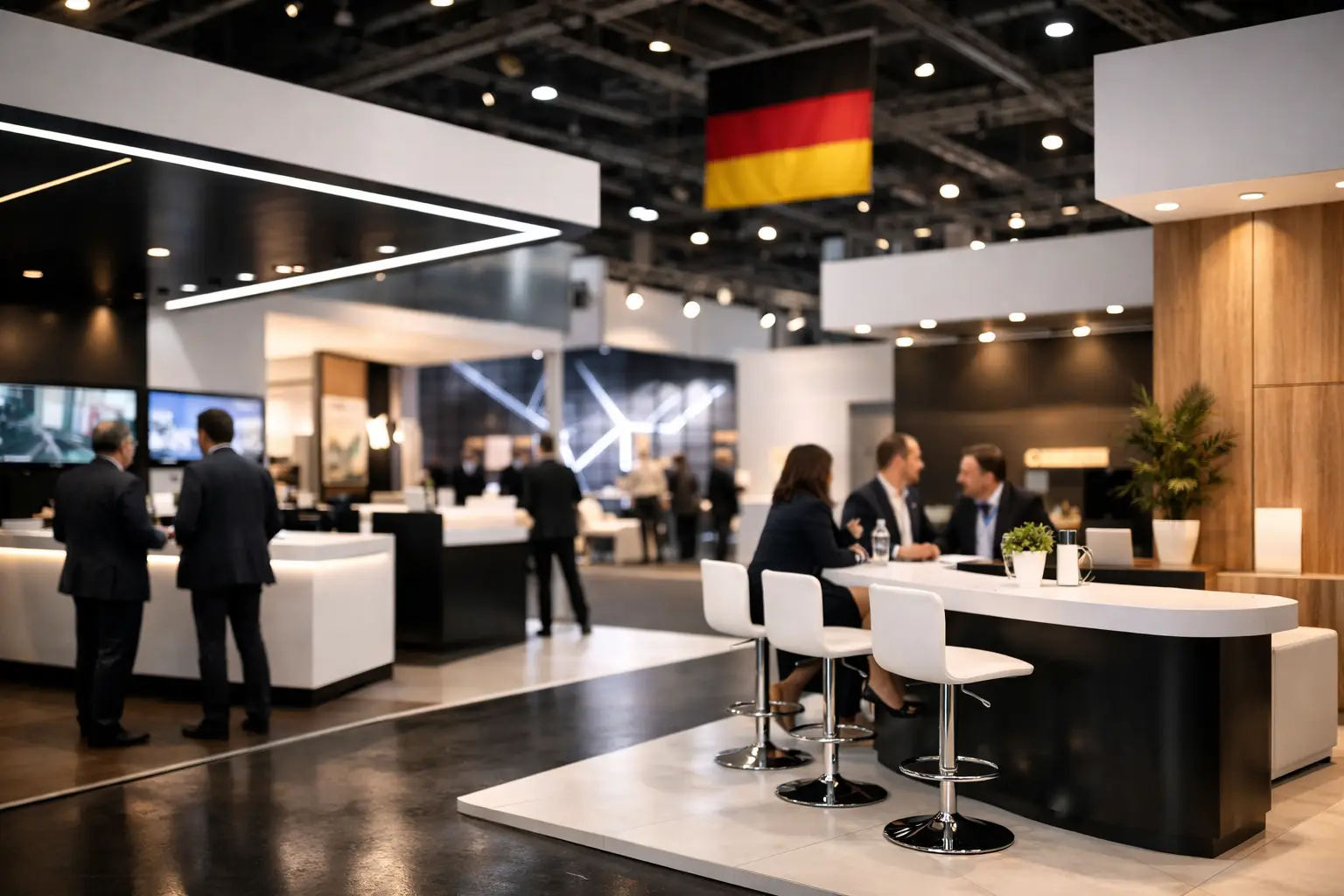



A stand can look impressive in a rendering and still fail on the show floor. The usual reason is not creativity. It is execution. If you are searching for the best exhibition stand contractor, you are really looking for a partner who can protect your timeline, budget, brand standards, and on-site experience all at once.
That decision matters more than most teams expect. A trade show stand is not a print ad you can revise after launch. Once freight moves, labor is booked, and the venue opens, every weak link becomes visible. Delays, finish issues, electrical mistakes, missing graphics, and poor supervision all show up in front of prospects and stakeholders. The right contractor reduces those risks while helping your brand stand out for the right reasons.
What the best exhibition stand contractor actually delivers
A strong contractor does more than build walls and counters. They translate business goals into a physical environment that supports lead generation, product storytelling, meetings, demos, and brand recall. That takes design thinking, production control, and operational discipline.
For marketing teams, this means the stand should reflect campaign priorities, not just look modern. For procurement teams, it means cost clarity, scope control, and dependable delivery. For business owners and exporters, it means showing up internationally with confidence, even when regulations, venue rules, and local vendor networks are unfamiliar.
The best exhibition stand contractor will usually offer a full chain of responsibility, from concept and technical drawings to fabrication, logistics, installation, and dismantling. That matters because handoffs create mistakes. When too many third parties are involved, small issues travel slowly and get fixed late, often at a premium.
How to evaluate an exhibition stand contractor before you sign
Most contractors look similar at first glance. Their websites show polished stands, bold graphics, and broad claims. The real difference appears in how they plan, communicate, and control delivery.
Look past the renderings
A 3D concept is useful, but it is only one part of the job. Ask how closely the final build matches the approved design. Review actual show-floor photos, especially close-ups of finishes, lighting integration, storage details, product display areas, and meeting spaces. A contractor with strong execution will be proud to show completed work from multiple angles, not only hero shots.
It also helps to ask whether they have handled stands similar to yours in scale and complexity. A 12×12 booth and a 100-plus square meter custom stand require different planning, different supervision, and different risk management. The same applies to double decker stands, country pavilions, and tech-heavy environments with LED walls or live demos.
Check what is truly handled in-house
This is where many buying decisions get clearer. A contractor with an in-house design studio and fabrication capability has more control over quality, scheduling, revisions, and cost. If everything is outsourced, the project can still succeed, but the margin for error is smaller and response times are often slower.
Ask direct questions. Who designs the stand? Who fabricates it? Who manages graphics production? Who supervises installation on-site? Who coordinates dismantling? You are not looking for one perfect operating model in every case, but you do want transparency. Control and accountability matter more than polished sales language.
Judge responsiveness early
The sales process often predicts the project experience. If response times are slow before the contract is signed, they rarely improve later. If cost estimates are vague at the proposal stage, budget disputes usually follow. If your questions about venue regulations, material options, or engineering details are brushed aside, expect more friction during execution.
A dependable contractor is clear, timely, and practical. They explain trade-offs. They tell you where your budget works and where it does not. They flag risks before they become problems.
Qualities that separate the best exhibition stand contractor from the rest
There is no single checklist that fits every exhibitor, but a few qualities consistently matter.
First, they understand exhibitions as commercial environments, not only design projects. A stand should support traffic flow, product visibility, conversations, storage, hospitality, and lead capture. Beautiful design that ignores function is expensive theater.
Second, they plan for venue realities. Every exhibition has rules around height, rigging, electrical load, approvals, access times, and dismantling windows. An experienced contractor builds these constraints into the plan instead of treating them as last-minute obstacles.
Third, they know how to work across markets. If your exhibiting calendar includes Dubai, Riyadh, Mumbai, Germany, Las Vegas, or Chicago, consistency becomes a real issue. Brands want quality, not a different interpretation every time they enter a new venue. Contractors with international delivery experience are usually better at maintaining standards while adapting to local regulations and logistics.
Fourth, they respect budget without flattening the idea. Good contractors do not simply ask for a number and design to the ceiling. They help prioritize where to spend for impact and where to simplify without hurting the visitor experience. Sometimes that means reusable structures, modular planning, repurposed materials, or a more disciplined graphic strategy.
Common mistakes buyers make
One of the biggest mistakes is choosing only on initial price. A low quote can hide exclusions that appear later as additional charges for electricals, graphics, furniture, rigging support, flooring upgrades, storage, transport, venue handling, or overtime labor. A higher quote that is complete and realistic is often the safer commercial decision.
Another mistake is overvaluing novelty. Brands are naturally drawn to fresh concepts, and that is understandable. But if the design depends on untested materials, hard-to-source components, or complicated assembly in a tight venue schedule, the risk goes up. The best approach is usually bold design supported by practical engineering and buildable details.
A third mistake is starting too late. Compressed timelines limit options, increase costs, and reduce room for testing, revisions, and approvals. If the project includes custom fabrication, integrated screens, hanging elements, or multiple stakeholder sign-offs, lead time matters. Fast turnaround is possible, but it should be the exception, not the plan.
Questions worth asking before appointing a contractor
A smart brief deserves smart questions. Ask how the contractor manages revision rounds and whether design, fabrication, and site teams work from one coordinated plan. Ask what risks they see in your timeline or booth concept. Ask how they handle last-minute venue changes, damaged graphics, or missing components on-site.
You should also ask for examples of projects delivered under pressure, especially at major exhibitions where build windows are short and standards are high. Shows such as GITEX, ADIPEC, Big 5, Gulfood, Beautyworld, Middle East Energy, and Automechanika demand more than good intentions. They require disciplined project management.
If sustainability matters to your brand, ask what practical steps the contractor takes. That might include reuse planning, recyclable materials, modular elements, or efficient storage for future shows. Sustainable exhibiting is not always about dramatic claims. Often it is about making better production decisions from the start.
Why end-to-end delivery usually wins
For many exhibitors, the safest model is one partner managing the full scope. Not because specialists are weak, but because exhibitions move quickly and involve too many dependencies. Design affects engineering. Engineering affects fabrication. Fabrication affects logistics. Logistics affects install timing. If those functions are disconnected, accountability gets blurry.
An end-to-end contractor can align creative intent with practical execution. They can value-engineer without damaging the concept. They can coordinate approvals, transport, site build, and dismantling with fewer gaps. That usually leads to fewer surprises and a better on-site result.
This is one reason many global exhibitors prefer experienced firms with their own design and production capabilities. LemonTree Exhibitions, for example, manages concept design, fabrication, logistics, installation, and dismantling in-house for clients across 22-plus countries. That kind of control is valuable when deadlines are tight and brand expectations are high.
The right choice is rarely the cheapest or the flashiest
The best exhibition stand contractor is the one who understands what success looks like for your team and has the systems to deliver it. Sometimes that means a large custom build with premium finishes and LED integration. Sometimes it means a cost-conscious stand that still feels polished, functional, and on-brand. It depends on your goals, your market, and how often you exhibit.
What should stay constant is the standard. You want a contractor who listens carefully, solves problems early, and treats deadlines as non-negotiable. Good exhibition results start long before the show opens. They start with choosing a partner who can turn pressure into process and ideas into a stand that performs when it counts.